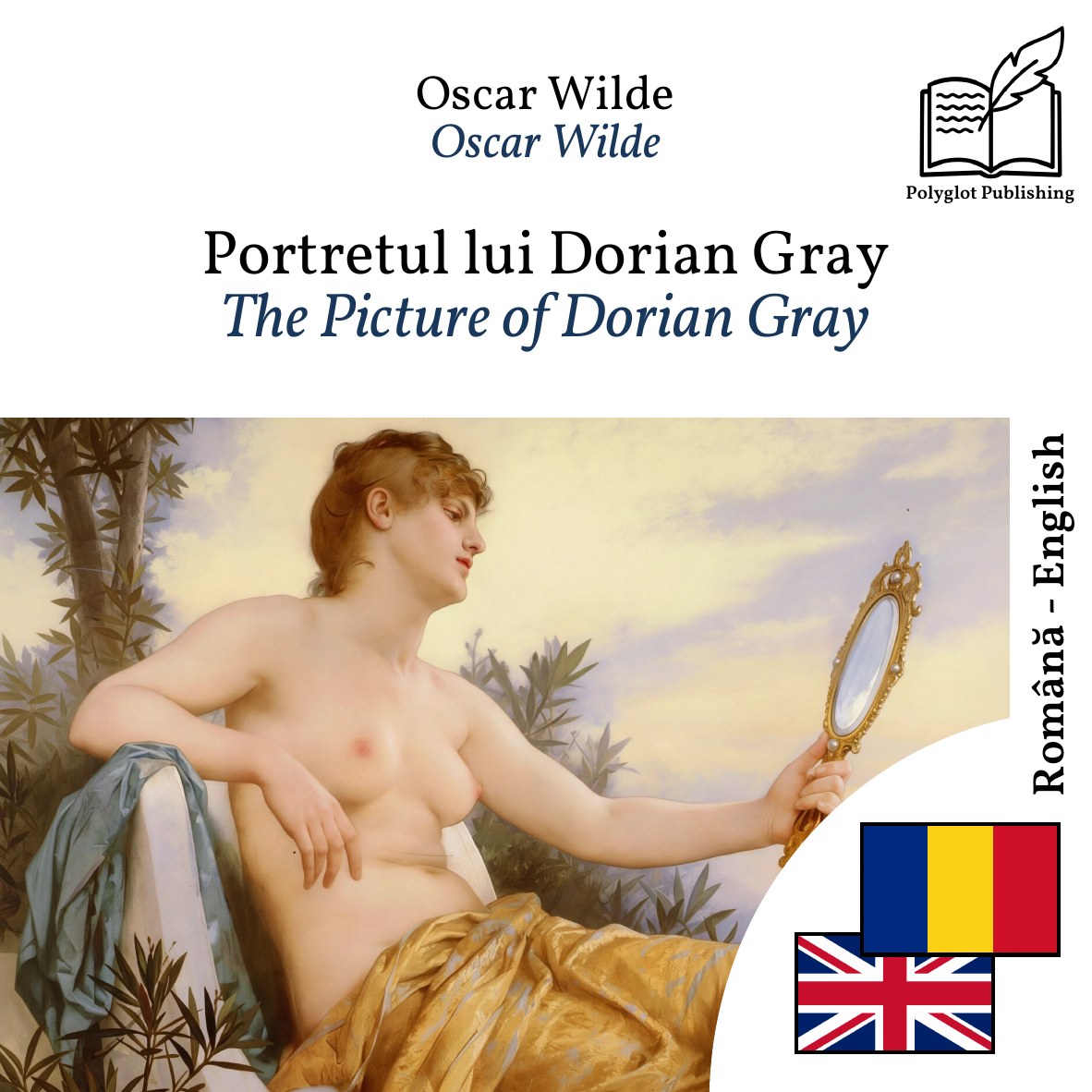
Oscar Wilde
Obraz Doriana Graye
Tištěná kniha: 37,99 €
Digitální: 17,99 €
- Původní vydání
- 1890
- Dvojjazyčné vydání
- 12. června 2026
- Stránky
- 466
- Obtížnost
- ★★☆
- Žánry
- Filozofie, Psychologie
- Přeloženo z
- angličtina
Shrnutí knihy
Ukázka
Každá pasáž v jazyce, který se učíte, s překladem hned pod ní.
Prefață
The Preface
Artistul este creatorul lucrurilor frumoase.
The artist is the creator of beautiful things.
Să dezvăluie arta și să ascundă pe artist, iată scopul artei.
To reveal art and conceal the artist is art’s aim.
Criticul este acela care poate traduce într-o altă manieră sau într-un material nou impresia sa despre lucrurile frumoase.
The critic is he who can translate into another manner or a new material his impression of beautiful things.
Cea mai înaltă, ca și cea mai joasă formă de critică este un fel de autobiografie.
The highest as the lowest form of criticism is a mode of autobiography.
Cei care găsesc înțelesuri urâte în lucruri frumoase sunt corupți fără a fi fermecători.
Those who find ugly meanings in beautiful things are corrupt without being charming.
Aceasta este o greșeală.
This is a fault.
Cei care găsesc înțelesuri frumoase în lucruri frumoase sunt cei cultivați.
Those who find beautiful meanings in beautiful things are the cultivated.
Pentru aceștia există speranță.
For these there is hope.
Ei sunt aleșii pentru care lucrurile frumoase înseamnă doar frumusețe.
They are the elect to whom beautiful things mean only beauty.
Nu există carte morală sau imorală.
There is no such thing as a moral or an immoral book.
Cărțile sunt bine scrise
Books are well written,
sau prost scrise.
or badly written.
Atâta tot.
That is all.
Ura secolului al nouăsprezecelea față de realism este furia lui Caliban care își vede propriul chip în oglindă.
The nineteenth century dislike of realism is the rage of Caliban seeing his own face in a glass.
Ura secolului al nouăsprezecelea față de romantism este furia lui Caliban care nu își vede propriul chip în oglindă.
The nineteenth century dislike of romanticism is the rage of Caliban not seeing his own face in a glass.
Viața morală a omului face parte din materia de studiu a artistului,
The moral life of man forms part of the subject-matter of the artist,
dar moralitatea artei constă în folosirea desăvârșită a unui mijloc nedesăvârșit.
but the morality of art consists in the perfect use of an imperfect medium.
Niciun artist nu dorește să dovedească ceva.
No artist desires to prove anything.
Chiar și lucrurile adevărate pot fi dovedite.
Even things that are true can be proved.
Niciun artist nu are simpatii etice.
No artist has ethical sympathies.
O simpatie etică la un artist este un manierism de stil de neiertat.
An ethical sympathy in an artist is an unpardonable mannerism of style.
Niciun artist nu este vreodată morbid.
No artist is ever morbid.
Artistul poate exprima orice.
The artist can express everything.
Gândirea și limbajul sunt pentru artist instrumentele unei arte.
Thought and language are to the artist instruments of an art.
Viciul și virtutea sunt pentru artist materialele unei arte.
Vice and virtue are to the artist materials for an art.
Din punctul de vedere al formei,
From the point of view of form,
tipul tuturor artelor este arta muzicianului.
the type of all the arts is the art of the musician.
Din punctul de vedere al simțirii,
From the point of view of feeling,
meșteșugul actorului este tipul.
the actor’s craft is the type.
Orice artă este deopotrivă suprafață și simbol.
All art is at once surface and symbol.
Cei care coboară sub suprafață o fac pe riscul lor.
Those who go beneath the surface do so at their peril.
Cei care descifrează simbolul o fac pe riscul lor.
Those who read the symbol do so at their peril.
Pe spectator,
It is the spectator,
și nu viața,
and not life,
îl oglindește cu adevărat arta.
that art really mirrors.
Diversitatea de opinii asupra unei opere de artă arată că opera este nouă,
Diversity of opinion about a work of art shows that the work is new,
complexă
complex,
și vie.
and vital.
Când criticii nu se înțeleg,
When critics disagree,
artistul este în acord cu sine însuși.
the artist is in accord with himself.
Putem ierta unui om că face un lucru folositor, atâta vreme cât nu îl admiră.
We can forgive a man for making a useful thing as long as he does not admire it.
Singura scuză pentru a face un lucru nefolositor este aceea că îl admiri nespus.
The only excuse for making a useless thing is that one admires it intensely.
Děj

Svět knihy

Autor

Výhody dvojjazyčné metody – zobrazení Synchronizováno řádek po řádku
Každý řádek originálu má překlad přímo pod sebou, ve stejné výšce. Nikdy nehledáte, kde jste: oko sjede o jeden řádek níž a najde přesně tu větu, kterou právě dočetlo. Právě s touto úpravou se dá pustit do knihy v jazyce, který ještě neovládáte, a neztratit nit — a srovnávat oba texty téměř slovo za slovem.
Podobné knihy
Proces
Franz Kafka

Bratři Karamazovi
Fjodor Dostojevskij

Paní Dalloway
Virginia Woolfová
Písař Bartleby
Herman Melville
Úpadek člověka
Dazai Osamu
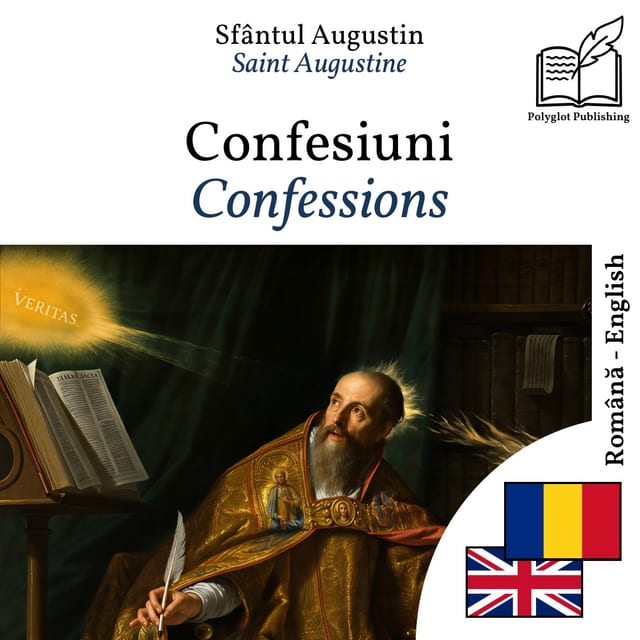
Vyznání
Svatý Augustin

Zločin a trest
Fjodor Dostojevskij
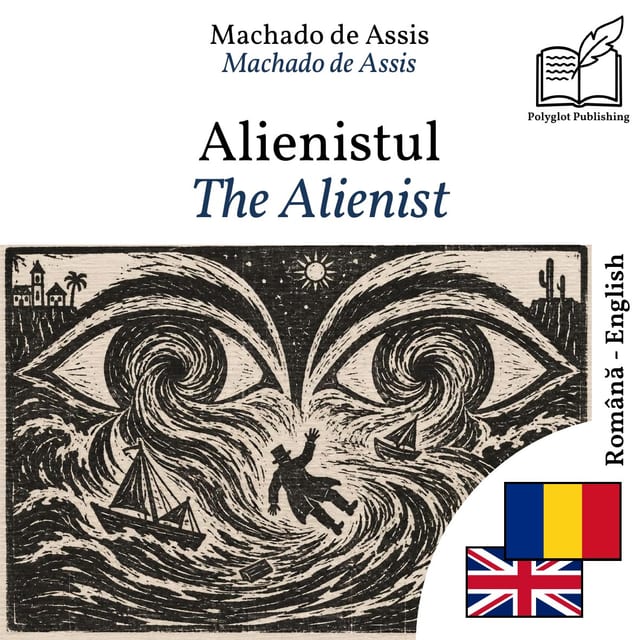
Alienista
Machado de Assis

Mimo dobro a zlo
Friedrich Nietzsche
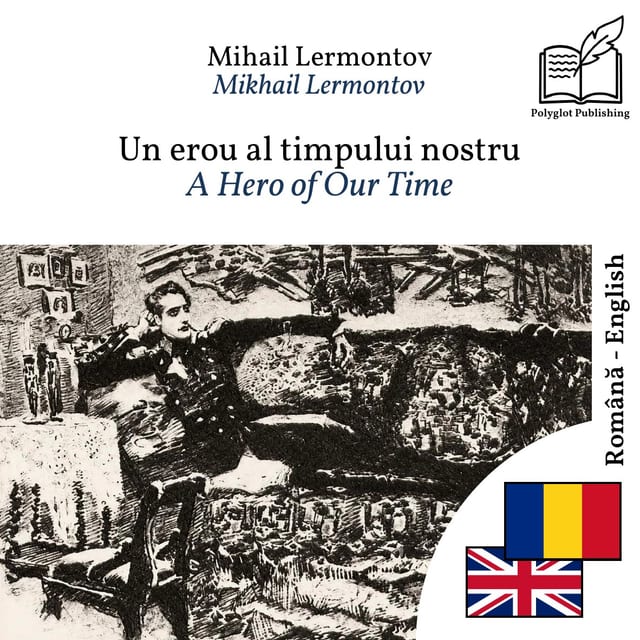
Hrdina naší doby
Michail Lermontov
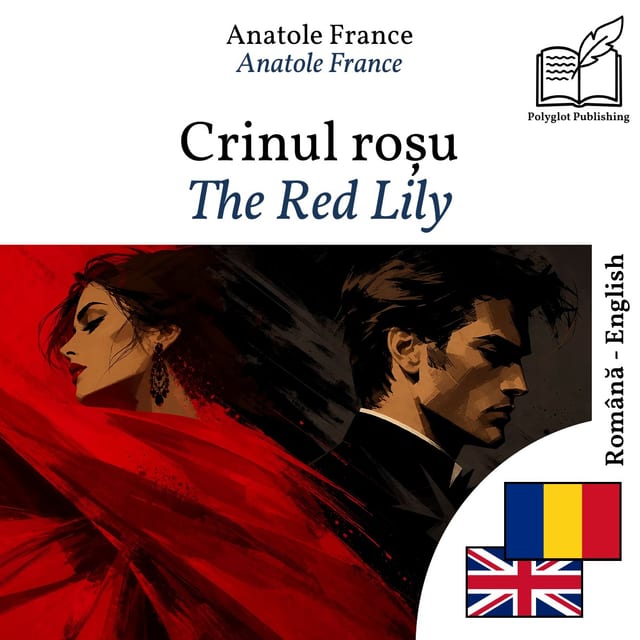
Červená lilie
Anatole France
Portrét umělce
James Joyce
Kopec kozla
Alice Rice
Frankenstein
Mary Shelley
Pokoj s vyhlídkou
E. M. Forster
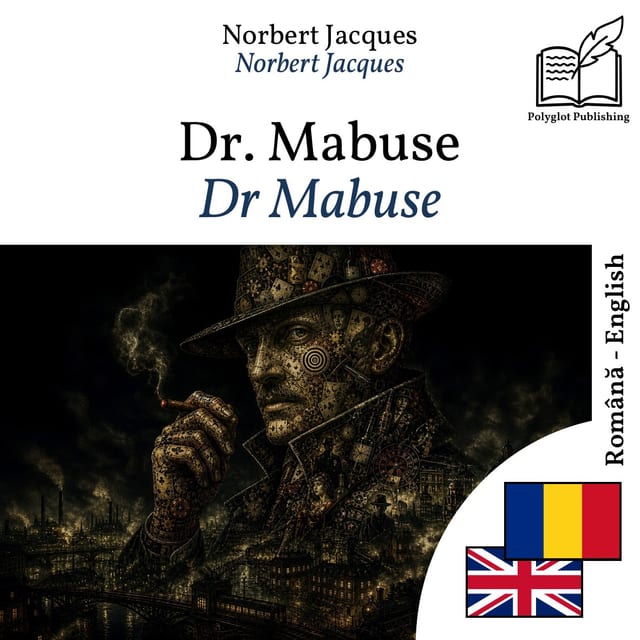
Dr. Mabuse
Norbert Jacques
Prozkoumat web
Další jazyky, které se můžete učit
- angličtina
- francouzština
- španělština
- němčina
- italština
- ruština
- arabština
- bulharština
- bengálština
- katalánština
- dánština
- řečtina
- esperanto
- estonština
- perština
- finština
- hebrejština
- hindština
- chorvatština
- maďarština
- indonéština
- japonština
- kazaština
- korejština
- litevština
- lotyština
- nizozemština
- norština
- polština
- portugalština
- portugalština (Brazílie)
- rumunština
- srbština (latinka)
- srbština (cyrilice)
- slovenština
- slovinština
- švédština
- svahilština
- turečtina
- ukrajinština
- vietnamština
- čínština
- čínština (Tchaj-wan)