Sign inSign up
Basket

Polyglot Publishing

Full catalogue

Language to learn
Language already mastered
The Metamorphosis

Franz Kafka

The Metamorphosis

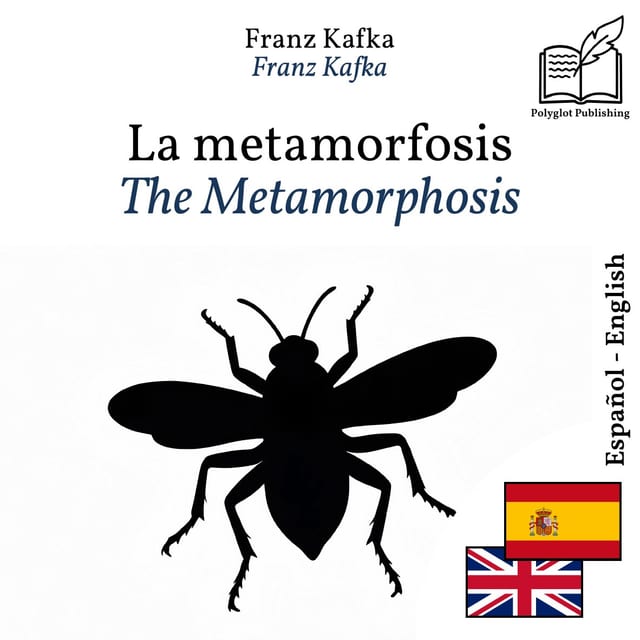
One morning, Gregor Samsa, a humble travelling salesman, wakes up transformed into an enormous insect. Shut in his room, he can no longer work, and his family, who depended on his wages, have to learn to live with him. This short story, unsettling and shot through with dark humour, shows what is left of a man when his family sees him only as a burden. Kafka writes in simple, precise sentences: an ideal text for a first read in the language you are learning.

Digital€5.99
Paper€17.99
Dr Jekyll and Mr Hyde

Robert Louis Stevenson

Dr Jekyll and Mr Hyde

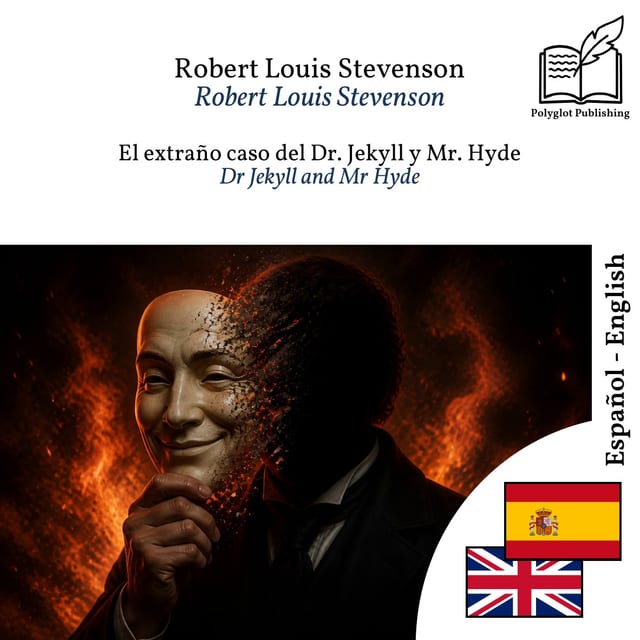
In London, the lawyer Mr Utterson is worried about his old friend Dr Jekyll, a respected physician. In his will, Jekyll leaves everything he owns to a certain Mr Hyde, a brutal man whom everyone fears. Utterson investigates to understand what binds these two men. This short novel is about the dark side everyone carries within, and leads to one of the most famous revelations in literature. Its fast pace makes it an ideal classic to read in the language you are learning.

Digital€5.99
Paper€17.99
The Art of War

Sunzi

The Art of War

Sunzi, also known as Sun Tzu, a Chinese general and strategist, sets out in thirteen short chapters the principles of war and victory. His central idea is still surprising: the best strategist wins without fighting, by knowing the enemy, knowing himself and choosing the right moment. These principles apply far beyond the battlefield. Today they are used in business, negotiation, sport and everyday life, to anticipate, decide and persuade more effectively. Its short, clear maxims can be read one by one in the language you are learning.

Digital€5.99
Paper€17.99
The Prince

Niccolò Machiavelli

The Prince

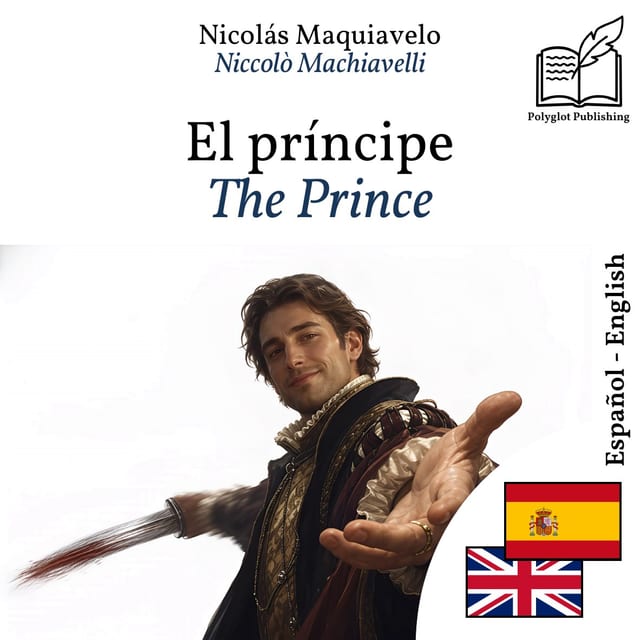
In the sixteenth century, Machiavelli, a Florentine diplomat pushed out of power, writes this little treatise to explain how a prince seizes power and, above all, how he keeps it. He draws on examples from antiquity and from the Italy of his day, and gives blunt advice: is it better to be feared or loved, to keep your word or to know how to lie? It shows how those who govern, lead or negotiate think: his lessons on power held true then and still do today. The book is so clear-sighted that it gave rise to a word: “Machiavellian”. With the translation always in front of you, you can read this great classic in the language you are learning.

Digital€7.99
Paper€19.99
Enchiridion

Epictetus

Enchiridion

Epictetus, a former slave who became a philosopher, starts from a simple distinction. There are things that are up to us: our judgements, our desires and our choices. And there are things that are not: the body, money, other people's opinions. In short maxims, he teaches how to stop worrying about what is beyond our control, and to act on what is within our power. His advice helps us stay calm in the face of difficulties and feel less at the mercy of events. Many readers keep it close at hand all their lives. Its brief, clear sentences can be read one by one, at your own pace, in the language you are learning.

Digital€3.99
Paper€13.99
Meditations

Marcus Aurelius

Meditations

In the midst of wars and the cares of power, Marcus Aurelius, Emperor of Rome, wrote notes for himself alone, to stay calm and just. In them he reminds himself of what really matters: doing your duty, accepting what you cannot change, and not letting others disturb you. These thoughts help us step back from everyday difficulties, and keep calm when everything around us is in turmoil. Short and clear, they can be read one by one, at your own pace, in the language you are learning.

Digital€12.99
Paper€26.99
Frankenstein

Mary Shelley

Frankenstein

Victor Frankenstein, a young man from Geneva with a passion for science, succeeds in giving life to a being made of dead matter. Horrified by what he has created, he flees, and the creature, abandoned, has to find its own way in a world whose people reject it. This is the novel that gave birth to the most famous of all monsters. It asks a question that is still with us: what responsibility do we have towards what we create? A great novel to discover in the language you are learning, with the translation always in view.

Digital€13.99
Paper€30.99
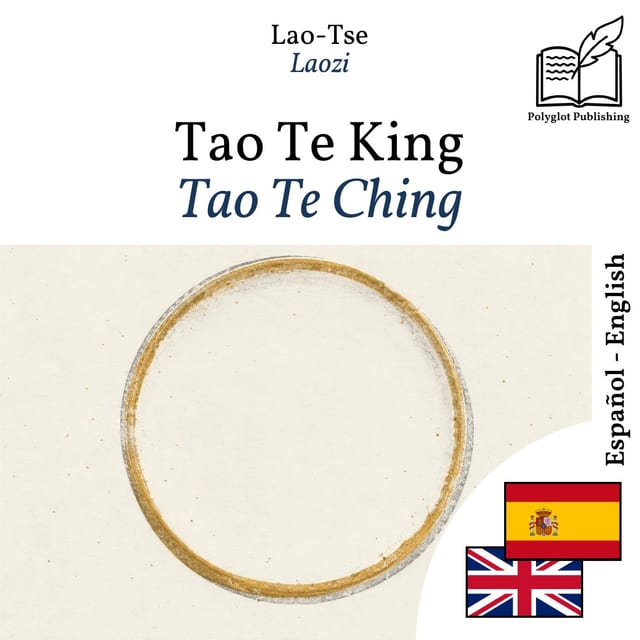
Tao Te Ching

Laozi

Tao Te Ching

Attributed to the Chinese sage Lao Tzu, this little book gathers eighty-one short poems about the Tao, the way that guides all things. It praises water, which overcomes stone through its softness, and emptiness, which makes a vessel useful. For more than two thousand years, its readers have learnt from it how to act without forcing, to stay simple and to find calm. Its very short texts can be read one by one, at your own pace, in the language you are learning.

Digital€3.99
Paper€13.99
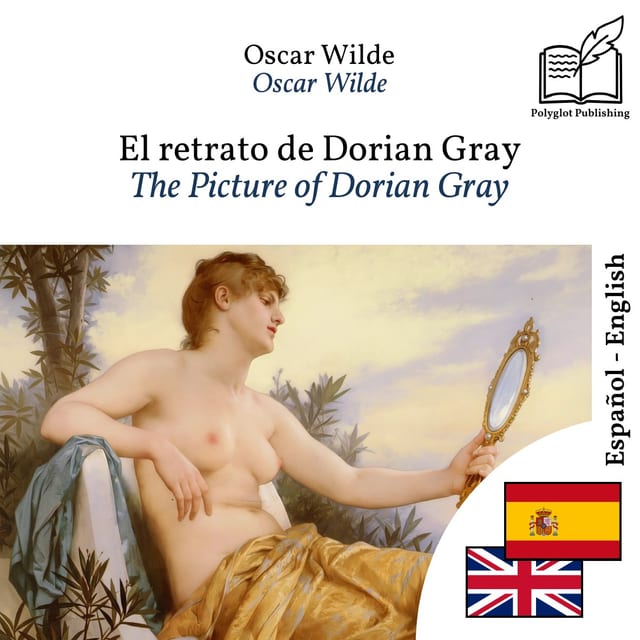
The Picture of Dorian Gray

Oscar Wilde

The Picture of Dorian Gray

In London, a painter makes a portrait of Dorian Gray, a young man of extraordinary beauty. In front of the picture, Dorian makes a wish: to stay young for ever, and for the portrait to grow old in his place. Under the influence of the cynical Lord Henry, he throws himself into a life of pleasure, and each of his sins leaves a mark on the canvas. Dorian then hides the picture from everyone. A fascinating story about beauty, evil and the price of eternal youth, sparkling with Oscar Wilde's wit. Its witty dialogue makes it a captivating read in the language you are learning.

Digital€13.99
Paper€30.99
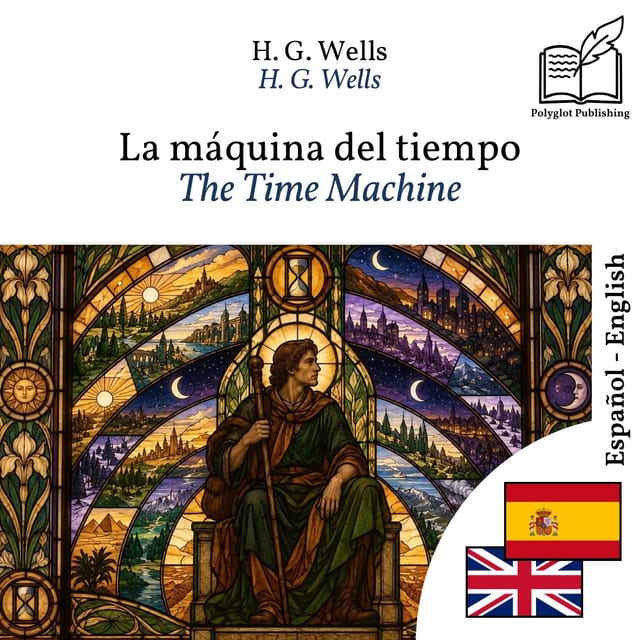
The Time Machine

Herbert George Wells

The Time Machine

An English inventor explains to his friends that time is a dimension like any other, then sets off in a machine he has built himself. On his return, exhausted, he describes a very distant future in which the Eloi, a frail and carefree people, live among gardens, while other creatures hide underground. It was with this book that time travel became a great subject for fiction. H. G. Wells imagines what would become of humanity if the gap between rich and poor kept widening for thousands of years. Told like a story among friends, this short novel is easy to read in the language you are learning.

Digital€7.99
Paper€19.99
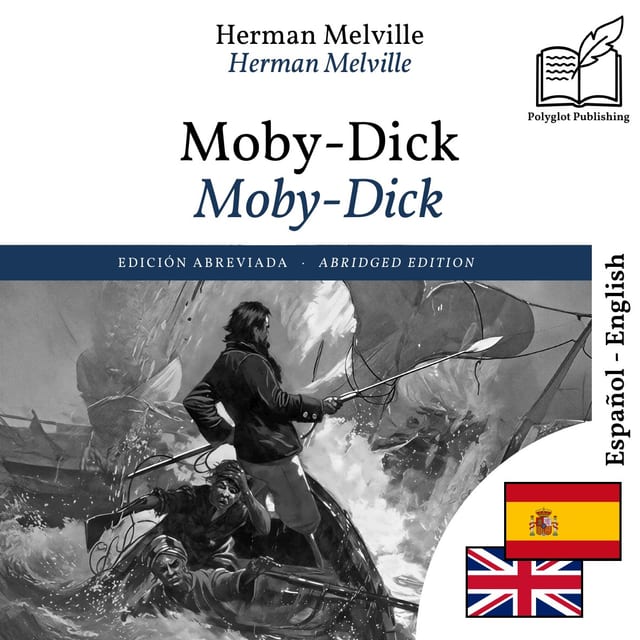
Moby-Dick

Herman Melville

Moby-Dick

Ishmael, a young sailor, signs on at Nantucket aboard the Pequod, a whaler commanded by Captain Ahab. Ahab lost a leg to a white sperm whale, Moby Dick, and has only one idea left: to find it and kill it. This novel made the white whale the symbol of every obsession, and its first line, “Call me Ishmael”, is one of the most famous in literature. With the translation always in front of you, you can experience this great sea adventure in the language you are learning.

Digital€11.99
Paper€23.99
Heart of Darkness

Joseph Conrad

Heart of Darkness

Marlow, an English sailor, agrees to take a steamboat up a great river in Africa, for a company that trades in ivory. All the way upriver, he hears about Kurtz, the company's most brilliant agent. Kurtz, who has settled in the depths of the forest, sends back more ivory on his own than all the others put together. But no one really knows what has become of him out there. This short tale takes the reader on a fascinating journey into the heart of colonisation, where power no longer has any limits. With the translation always in front of you, you can discover this story in the language you are learning.

Digital€7.99
Paper€19.99
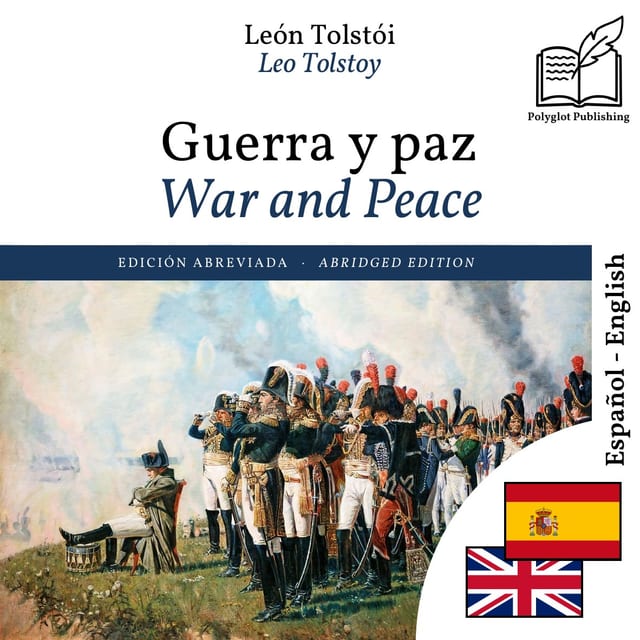
War and Peace

Leo Tolstoy

War and Peace

In 1805, in the salons of St Petersburg, everyone is talking about Napoleon. Pierre Bezukhov, an awkward young man who is about to inherit a huge fortune, is looking for meaning in his life. His friend, Prince Andrei Bolkonsky, goes off to war to escape boredom, while young Natasha Rostova is bursting with joie de vivre. From Austerlitz to the burning of Moscow, Tolstoy weaves together great battles and family life, love and war. We watch his characters grow up, love, make mistakes and change, like people we know. With the translation always in front of you, you can read this great novel in the language you are learning.

Digital€12.99
Paper€26.99
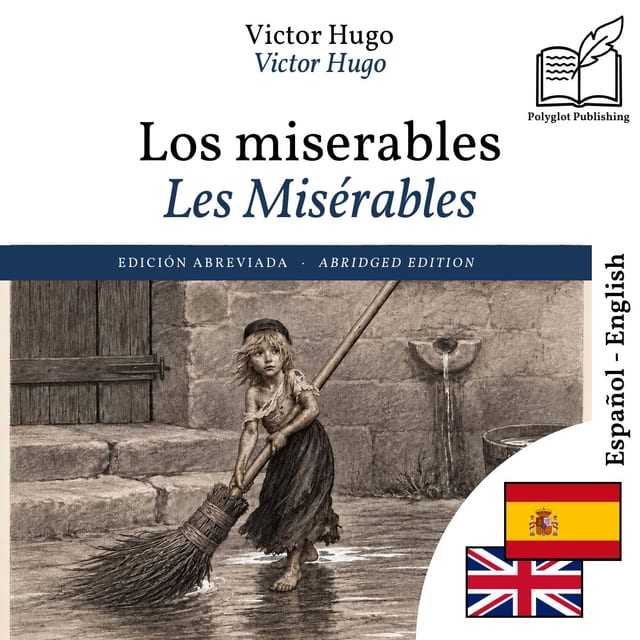
Les Misérables

Victor Hugo

Les Misérables

Released after nineteen years in prison with hard labour for stealing a loaf of bread, Jean Valjean is turned away everywhere, until the evening a bishop takes him in. Now a changed man living under a false name, he takes in little Cosette, mistreated by the Thénardiers, and brings her up in hiding. Inspector Javert, for his part, does not believe a convict can change. Around them, Victor Hugo brings a whole century back to life, right up to the barricades of Paris. One of his characters even became a word in French: a cheeky Paris street urchin is still called a “gavroche”. With the translation always in front of you, you can read this great classic in the language you are learning.

Digital€13.99
Paper€30.99
Thus Spoke Zarathustra

Friedrich Nietzsche

Thus Spoke Zarathustra

After ten years alone in the mountains, the sage Zarathustra comes down among men to bring them news: “God is dead”. He urges them to stop following the values they have been taught, and to create their own. This book brought the idea of the Übermensch into our culture. Many readers still find in it a powerful call to become fully themselves. With the translation always in front of you, you can read these speeches, short and rhythmic like poems, in the language you are learning.

Digital€14.99
Paper€46.99
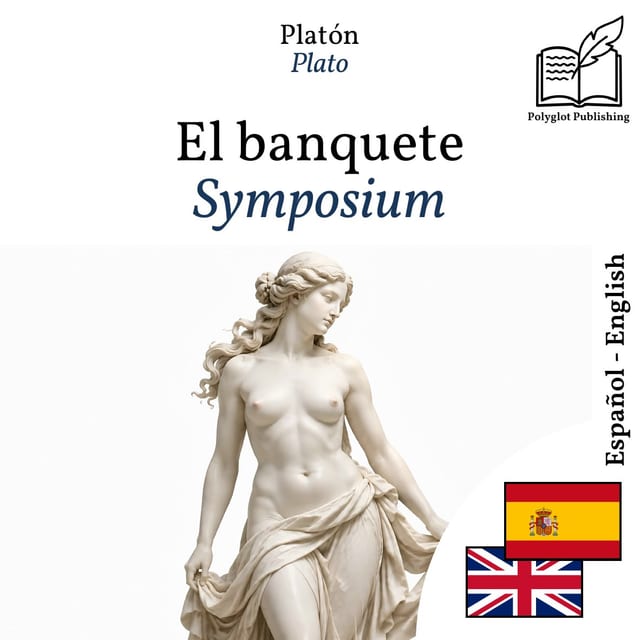
Symposium

Plato

Symposium

In Athens, the poet Agathon is celebrating his victory in the tragedy contest. His guests, Socrates among them, decide to spend the evening taking turns to praise Love. The comic poet Aristophanes tells how humans were once double, and how, cut in two by Zeus, they have been looking for their other half ever since. The expression “Platonic love” comes from this dialogue. Its questions still speak to everyone: why do we love, and what are we really looking for in another person? Written like a conversation between friends, with the translation always in front of you, this short dialogue reads easily in the language you are learning.

Digital€5.99
Paper€17.99
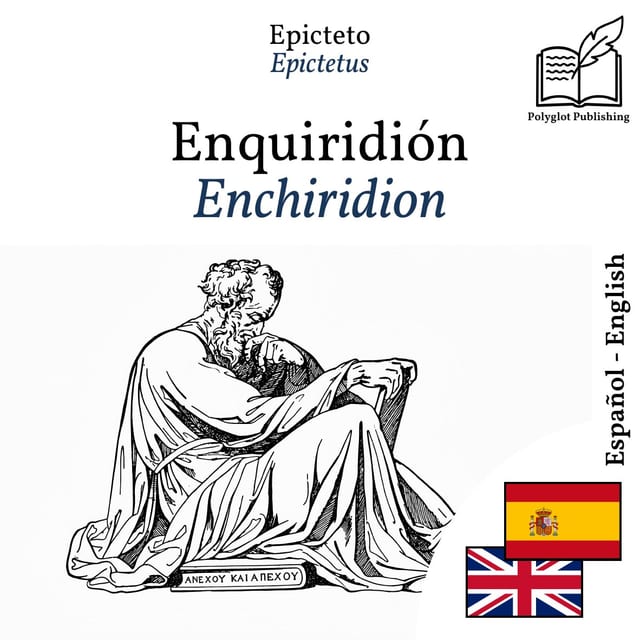
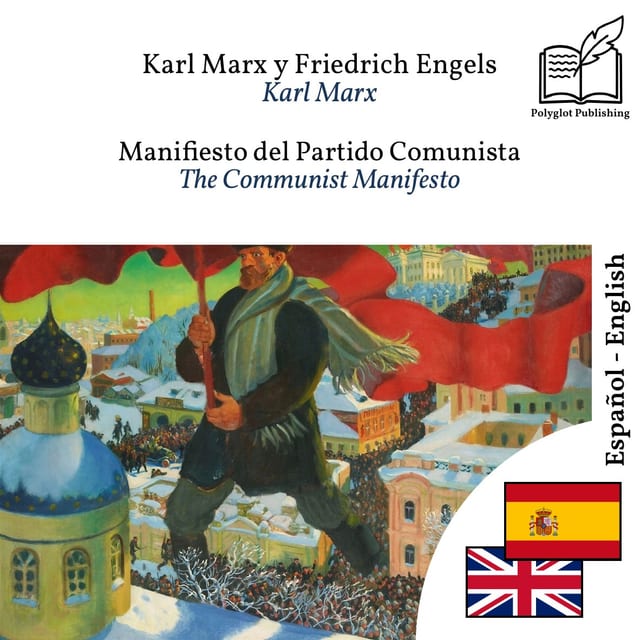
The Communist Manifesto

Karl Marx, Friedrich Engels

The Communist Manifesto

In 1848, on the eve of the revolutions, Marx and Engels publish this short text, which opens with a famous line: “A spectre is haunting Europe: the spectre of communism.” They describe history as a struggle between classes, trace the rise of the bourgeoisie and call on workers to unite. Whether or not you share its ideas, few texts have changed the world so much. Its last line, “Workers of the world, unite!”, is known everywhere, and reading it helps you understand a large part of the twentieth century. Written as a call to action, and with the translation always in front of you, it can be read in one sitting in the language you are learning.

Digital€3.99
Paper€13.99
Gulliver's Travels

Jonathan Swift

Gulliver's Travels

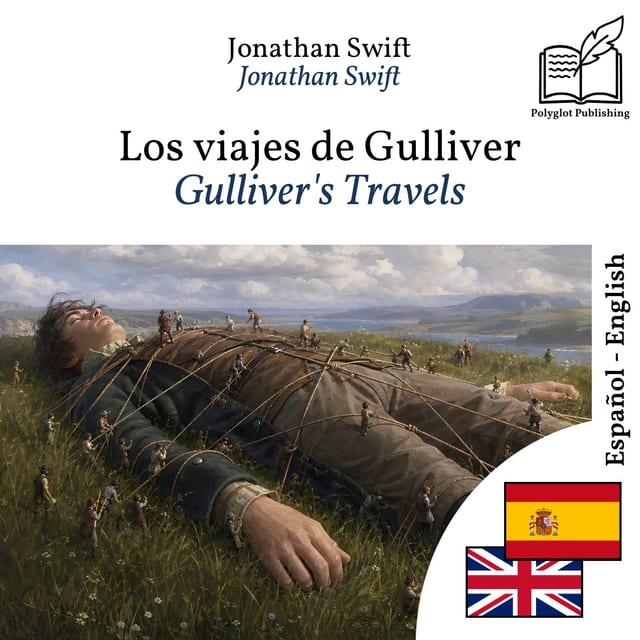
After a shipwreck, Gulliver, a ship's surgeon, wakes up on a beach, tied to the ground by tiny cords: he is among the Lilliputians, a people six inches tall. On later voyages, he in turn becomes tiny in the land of the giants, then discovers a flying island and a country ruled by horses gifted with reason. Behind its fairy-tale air, it is a humorous satire of mankind and its quarrels. The book even left a word in the dictionary: “Lilliputian”. Gulliver tells of his travels like a ship's log, and this great classic is a pleasure to read in the language you are learning.

Digital€15.99
Paper€46.99
Candide, or Optimism

Voltaire

Candide, or Optimism

Brought up in a castle in Westphalia, young Candide learns from his tutor Pangloss that “all is for the best in the best of all possible worlds”. Thrown out for kissing the lovely Cunégonde, he makes his way through war, the Inquisition, the Lisbon earthquake and the American colonies. At every disaster, Candide repeats his master's lesson, and Voltaire mocks, with fierce humour, those who want to explain everything. His phrase about “the best of all possible worlds” has stayed in everyone's memory. Its very short chapters and biting irony make it a tale that is easy to read in the language you are learning.

Digital€7.99
Paper€19.99
Germinal

Émile Zola

Germinal

Out of work, Étienne Lantier arrives one March night at Le Voreux, a mine in the north of France, and gets taken on in the miner Maheu's team. Down the mine, he discovers the heat, the danger and the hunger of the families, and he is far from indifferent to Catherine, Maheu's daughter. Outraged, Étienne leads the miners into a great strike against the Company. The title recalls the spring month when seeds germinate, like the hope of a fairer world. With the translation always in front of you, you can read this great novel by Zola in the language you are learning.

Digital€11.99
Paper€23.99
The Death of Ivan Ilyich

Leo Tolstoy

The Death of Ivan Ilyich

Ivan Ilyich is a respected judge who has built himself a comfortable, honourable and well-ordered life. One day, after an ordinary fall, a strange pain appears in his side, and never leaves him. Little by little he realises that his illness is serious, and that his family would rather pretend to see nothing. Facing death, he wonders whether he has really lived. This short story by Tolstoy has lost none of its force: it asks the question everyone ends up asking, about what really matters. Written in a simple, direct style, it is easy to read in the language you are learning.

Digital€5.99
Paper€17.99
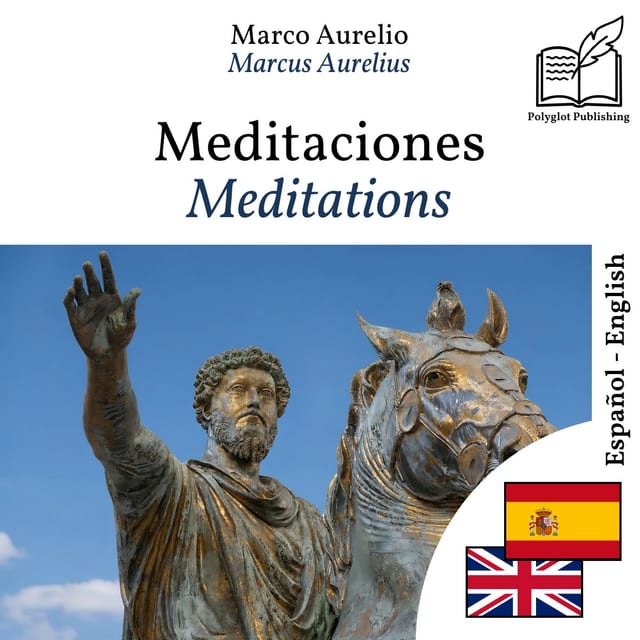
Relativity: The Special and the General Theory

Albert Einstein

Relativity: The Special and the General Theory

Albert Einstein himself explains relativity to the general public. To make himself understood, he uses everyday examples: a train running along a platform, two flashes of lightning striking at the same moment, a stone dropped from the window of a railway carriage. You do not need advanced mathematics to follow him, from the speed of light to the curvature of space. At last you understand why time and space are not what we thought, and it is Einstein himself who explains it. Written in a clear style, with short chapters, the book is easy to read in the language you are learning.

Digital€5.99
Paper€17.99
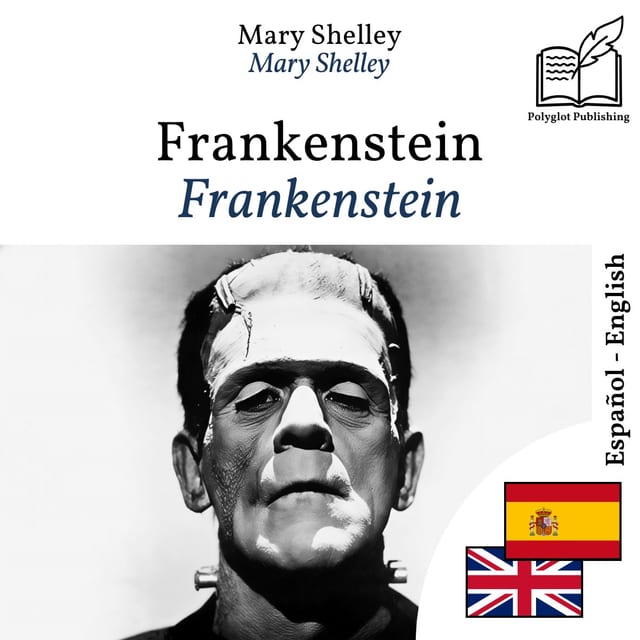
The Brothers Karamazov

Fyodor Dostoevsky

The Brothers Karamazov

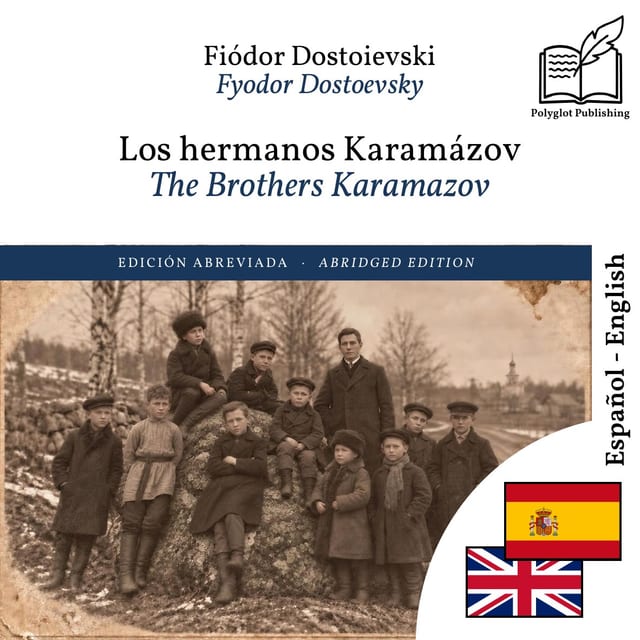
Fyodor Karamazov, a miserly and dissolute father, quarrels with his eldest son Dmitri over money and over the same woman. His two other sons take opposite paths: Ivan, tormented by the existence of evil, and gentle Alyosha, a novice in a monastery. One evening, the old man is murdered, and all suspicion falls on Dmitri. Both a murder investigation and a great family novel, it is Dostoevsky's last book, and for many readers his greatest. With the translation always in front of you, you can read this masterpiece in the language you are learning.

Digital€13.99
Paper€30.99
On Liberty

John Stuart Mill

On Liberty

In 1859, the philosopher John Stuart Mill asks a simple question: how far does society have the right to control an individual? His answer comes down to one principle: everyone should be able to think, speak and live as they wish, so long as they do no harm to others. Mill defends freedom of speech, even for shocking ideas, and warns against the “tyranny of the majority”. In the age of social media, his arguments help us work out what we can say, and what we should tolerate. With the translation always in front of you, you can read this founding text in the language you are learning.

Digital€11.99
Paper€23.99

Your privacy preferences

We use cookies to measure our audience and for advertising. The site works just as well if you decline. Customise Privacy