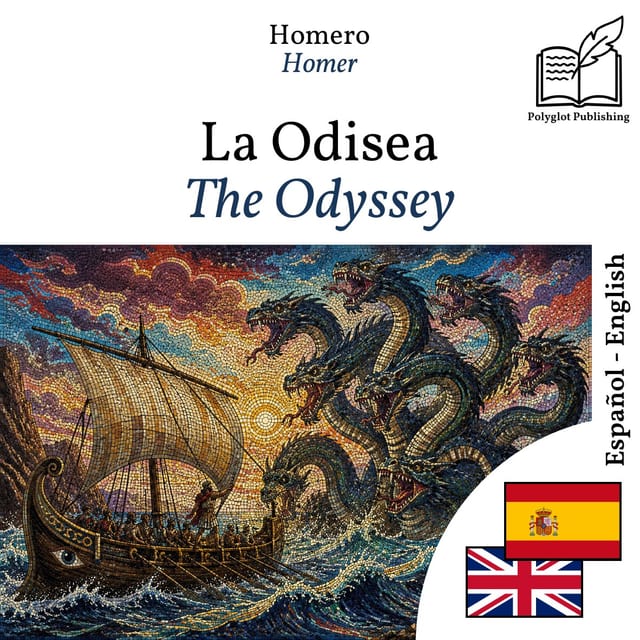
Legendary Greek poet of antiquity, credited with "The Iliad" and "The Odyssey", epics about the Trojan War and the return of Odysseus. His existence and period are debated, but these two poems are foundations of Western literature.
Homer is the poet to whom the ancient Greeks attributed “The Iliad” and “The Odyssey”. Almost nothing is known about him: tradition made him a blind bard from Ionia, on the coast of present-day Turkey, and seven cities claimed to be his birthplace. The poems probably date from the late eighth or the seventh century BC, and whether Homer existed at all is still debated.
“The Iliad” covers a few weeks in the tenth year of the Trojan War, centred on the wrath of Achilles. “The Odyssey” follows Odysseus on his long journey home to Ithaca, where his wife Penelope and his son Telemachus await him. Composed in hexameters, the poems grew out of a long oral tradition, as their many repeated formulas show.
For centuries they were the basis of Greek education, and they have inspired Virgil, Greek tragedy, painting and, in the twentieth century, James Joyce's “Ulysses”. They remain foundations of Western literature.