Sunzi
The Art of War: what to read next?
Books close in genre, era, author or reading level, to read in bilingual editions.
 Niccolò MachiavelliThe PrinceAn ambitious ruler seeks to seize and maintain power in an unstable and dangerous world. Through concrete examples and direct strategies, he learns to manipulate alliances, anticipate threats, and impose his authority. The author lays bare the mechanisms of power, where…Same genre
 Karl MarxThe Communist ManifestoWritten on the eve of the 1848 revolutions, this short text presents history as a succession of struggles between classes. Marx and Engels describe the rise of the bourgeoisie, the way industry transformed labour, and the formation of a working class they hold bound to…Same genre
 PlatoThe RepublicSocrates, a provocative philosopher, engages in a dialogue with several interlocutors to define justice and imagine the ideal city. Through these exchanges, he explores education, power, truth, and the role of rulers. He defends the idea of a government guided by knowledge and…Same genre
 Emma GoldmanAnarchism and Other EssaysEmma Goldman, a committed activist, develops a radical reflection on individual freedom, society, and power structures. Through her essays, she critiques political, economic, and social institutions, proposing an alternative vision based on autonomy and justice. Her ideas…Same genre
 Charles DarwinOn the Origin of SpeciesDarwin, a passionate naturalist, observes the living world and seeks to understand the mechanisms that govern the diversity of species. Drawing on his travels and research, he develops a revolutionary theory based on natural selection. This idea challenges established beliefs…Same genre
 George OrwellAnimal FarmThe animals of Manor Farm drive out their master and set about running the farm themselves, under the banner of equality. The pigs, quickest to learn, take charge of organising the work and writing the rules. Little by little, the rules change, the memories fade, and the new…Same genre
 René DescartesDiscourse on the MethodDescartes first recounts his education, the books he set aside and the travels that showed him how varied opinion is. He then sets out four rules for conducting his thought, and a provisional morality for living while he doubts. Methodical doubt leads him to the one certainty…Same genre
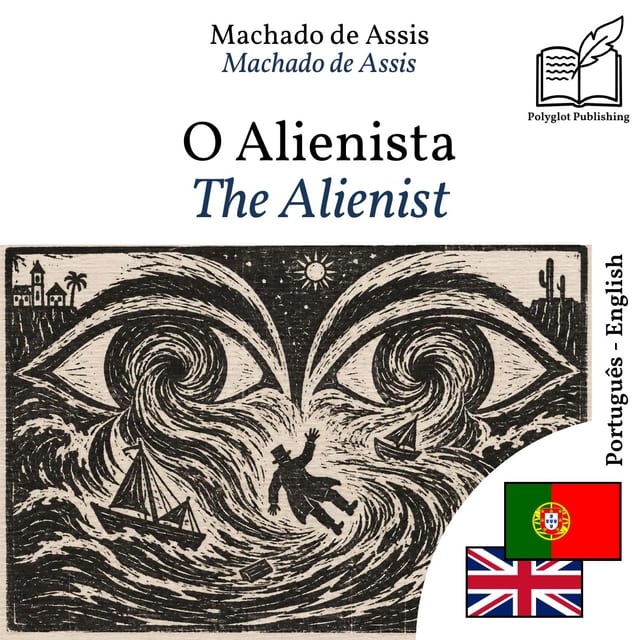 Machado de AssisThe AlienistBack from Europe, Dr. Simão Bacamarte settles in the small town of Itaguaí, in Brazil, and later founds an asylum there, the Green House, to study madness scientifically. His criteria widen week by week: first a respected citizen, then so many residents that the asylum ends up…Same genre
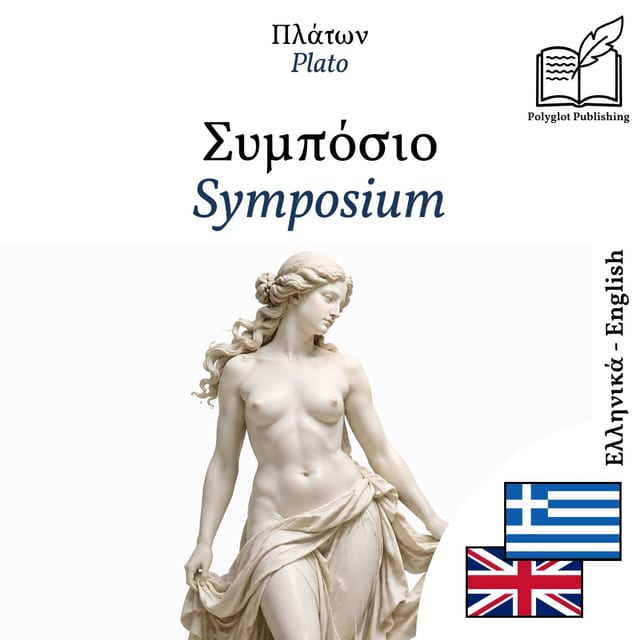 PlatoSymposiumAt a banquet in Athens, the physician Eryximachus invites each guest, including the philosopher Socrates, to speak in turn about the nature of love and desire. Each one offers his own view, revealing different facets of this complex feeling. Through these exchanges, a deep…Same genre
 Arthur MachenThe Great God PanDr Raymond operates on the brain of a young girl, Mary, so that she may see the hidden world behind our own. Years later, a little girl named Helen seems to carry within her a strange and disturbing presence. As time goes by, troubling events and unexplained tragedies occur…Same genre
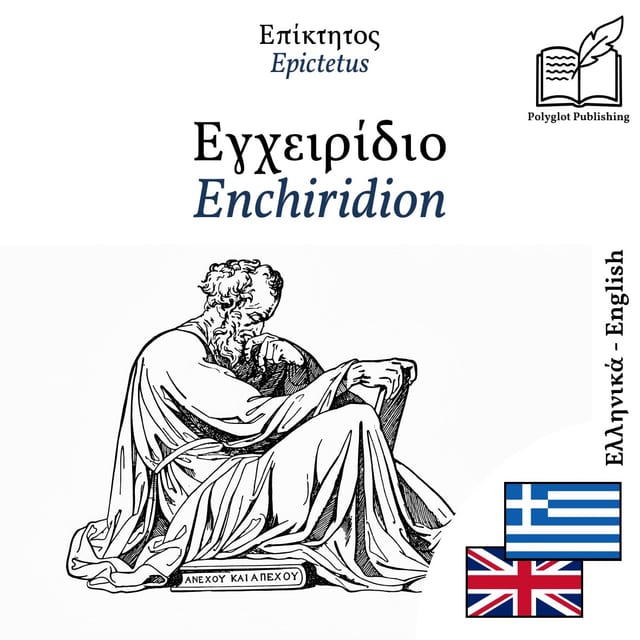 EpictetusEnchiridionEpictetus, a Stoic philosopher, presents a guide to life based on a key distinction: what depends on us and what does not. Through clear and direct maxims, he encourages control of one’s thoughts, acceptance of external events, and cultivation of inner freedom. Far from…Same genre
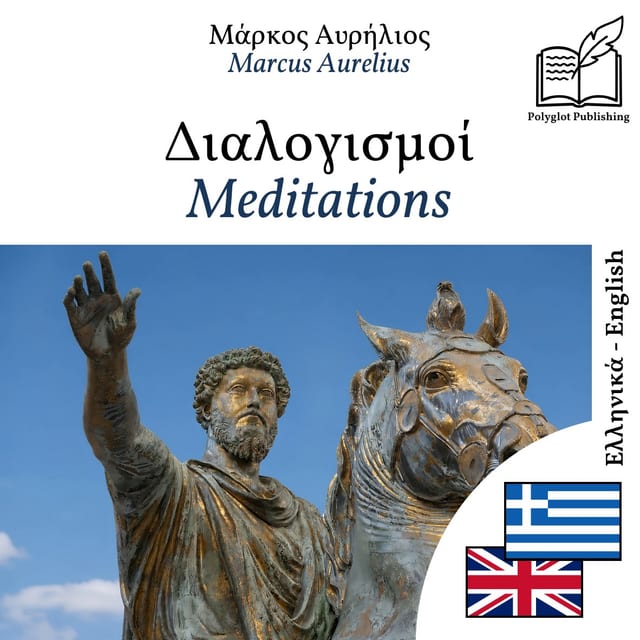 Marcus AureliusMeditationsMarcus Aurelius, emperor and philosopher, records his personal reflections on life, duty, and the human condition. Through his thoughts, he seeks self-mastery and acceptance of the world as it is. He addresses death, time, emotions, and humanity’s place in the universe. This…Same genre