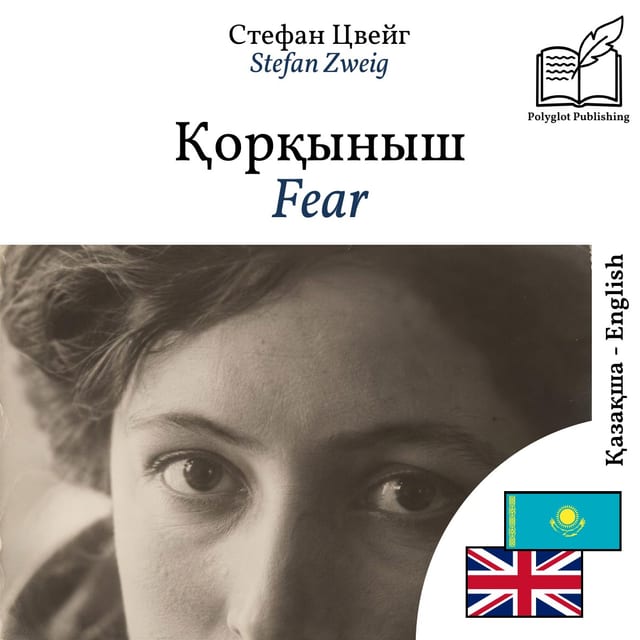
슈테판 츠바이크
낯선 여인의 편지
종이책: €17.99
디지털: €5.99
- 원본 출판
- 1922
- 페이지
- 97
- 난이도
- ★★☆
- 장르
- 로맨스, 심리학
- 번역 출처
- 독일어
책 줄거리
발췌
배우는 언어로 된 각 구절 바로 아래에 번역이 있습니다.
Белгілі романшы Р. таудағы үш күндік сергітетін серуеннен кейін таңертең ерте Венаға оралып, вокзалдан газет сатып алғанда, күнге көз жүгірте салысымен-ақ бүгін өзінің туған күні екенін есіне алды. Қырық бірінші, деп ойлады ол тез, және бұл түйін оны не қуантпады, не мұңайтпады. Газеттің сыбдырлаған беттерін асығыс парақтап шықты да, жалдамалы автомобильмен пәтеріне жүріп кетті. Қызметшісі ол жоқта екі адамның келгенін және бірнеше рет телефон соғылғанын хабарлап, жиналып қалған хат-хабарды табаққа салып әкелді. Ол келген поштаны немқұрайлы қарап шығып, жіберушілері қызықтырған бірнеше конвертті жыртып ашты; бөтен қолтаңбамен жазылған, тым қалың көрінген бір хатты әзірге шетке ысырып қойды. Осы арада шай әкелінді; ол креслоға жайғасып шалқайды, газетті және бірнеше баспа қағазды тағы бір рет парақтап шықты; сосын сигара тұтатып, енді шетке қойылған хатқа қол созды.
When the well-known novelist R. returned to Vienna early one morning from a refreshing three-day excursion into the mountains and bought a newspaper at the station, he had barely glanced at the date before he was reminded that today was his birthday. His forty-first, he quickly reflected, and the realisation neither pleased nor pained him. He leafed hastily through the crackling pages of the newspaper and took a hired motor car to his flat. The manservant reported two visitors and several telephone calls during his absence and brought him the accumulated post on a tray. He looked idly through the letters and tore open a few envelopes whose senders interested him; one letter, addressed in an unfamiliar hand and seemingly too bulky, he pushed aside for the time being. Meanwhile tea had been served; he leaned back comfortably in his armchair, leafed once more through the newspaper and some printed matter; then he lit a cigar and at last reached for the letter he had set aside.
Бұл бөтен, мазасыз әйел қолтаңбасымен асығыс жазылған екі дюжинадай бет еді, хаттан гөрі қолжазбаға көбірек ұқсайтын. Еріксіз ол конвертті тағы бір рет сипалап көрді, ішінде ілеспе хат ұмыт қалмады ма екен деп. Бірақ конверт бос еді, парақтардың өзі сияқты онда да жіберушінің мекенжайы да, қолы да жоқ еді. Қызық екен, деп ойлады ол да, жазбаны қайта қолына алды. «Мені ешқашан білмеген саған», деп жоғарыда үндеу ретінде, тақырып ретінде жазылыпты. Ол таңданып, тоқтап қалды: бұл өзіне арналған ба, әлде қиялдағы біреуге ме? Оның қызығушылығы кенет оянды. Сөйтіп ол оқи бастады:
It consisted of some two dozen hastily written pages in an unfamiliar, restless woman’s hand, a manuscript rather than a letter. Involuntarily he felt the envelope once more, in case a covering note had been left inside. But the envelope was empty and, like the pages themselves, bore neither a sender’s address nor a signature. Strange, he thought, and took up the letter again. “To you, who never knew me” stood at the top, as a salutation, as a heading. He paused in astonishment: was this meant for him, or for some imagined person? His curiosity was suddenly aroused. And he began to read:
*
*
Балам кеше қайтыс болды – үш күн, үш түн бойы мен осы кішкентай, нәзік өмір үшін ажалмен алыстым, тұмау оның бейшара, ыстық денесін қызумен қалтыратып жатқанда, қырық сағат бойы төсегінің басында отырдым. Оның жанып тұрған маңдайына салқын нәрсе бастым, тынымсыз кішкентай қолдарын күндіз-түні ұстап отырдым. Үшінші күні кешке мен әлім құрып құладым. Көздерім енді шыдамады, өзім білмей жұмылып кетті. Үш-төрт сағат қатты орындықта ұйықтап кетіппін, ал сол арада ажал оны алып кетті. Енді ол сонда жатыр, тәтті, бейшара ұлым, тар балалар төсегінде, дәл қалай өлсе, солай; тек көздерін жауып қойыпты, ақылды, қара көздерін, қолдарын ақ көйлегінің үстіне қусырып қойыпты, ал төсектің төрт бұрышында төрт шырақ биік жанып тұр. Мен қарауға батылым бармайды, қозғалуға батылым бармайды, өйткені шырақтар жыбырлағанда, оның бетінен және жұмулы аузынан көлеңкелер жүгіріп өтеді, сонда оның келбеті қозғалып жатқандай көрінеді, мен оны өлмеген екен, қайта оянып, сыңғырлаған даусымен маған балаша бір нәзік сөз айтатын шығар деп ойлап қалуым мүмкін. Бірақ мен білемін, ол өлді, енді қарағым келмейді, тағы бір рет үміттенбеу үшін, тағы бір рет көңілім қалмау үшін. Білемін, білемін, балам кеше қайтыс болды – енді бұл дүниеде менің сенен басқа ешкімім жоқ, тек сен ғана, мен туралы ештеңе білмейтін, осы уақытта ештеңеден бейхабар ойнап жүрген немесе заттар мен адамдармен ермек етіп жүрген сен ғана. Мені ешқашан білмеген және мен әрқашан сүйген сен ғана.
My child died yesterday – for three days and three nights I wrestled with death for this small, tender life; for forty hours I sat at his bedside while influenza shook his poor, burning body with fever. I laid cool cloths on his glowing forehead, I held his restless little hands day and night. On the third evening I collapsed. My eyes could do no more; they closed without my knowing it. For three or four hours I slept on the hard chair, and in the meantime death took him. Now he lies there, my sweet, poor boy, in his narrow little bed, just as he died; they have only closed his eyes, his clever, dark eyes, and folded his hands over his white shirt, and four candles burn tall at the four corners of the bed. I dare not look, I dare not stir, for when the candles flicker, shadows flit across his face and his closed mouth, and then it is as though his features moved, and I could almost believe that he is not dead, that he will wake again and say something tender and childlike to me in his clear voice. But I know it, he is dead; I will not look any more, so as not to hope once again, not to be disappointed once again. I know it, I know it, my child died yesterday – now I have only you left in the world, only you, who know nothing of me, who meanwhile are playing, unsuspecting, or trifling with things and people. Only you, who never knew me and whom I have always loved.
줄거리

작품의 세계

작가

줄별 동기화 방식으로 읽는 이중 언어 학습법의 장점
원문 한 줄 바로 아래, 같은 높이에 번역이 놓입니다. 지금 어디를 읽고 있는지 헤맬 일이 없습니다. 시선을 한 칸 내리면 방금 읽은 문장이 그대로 있습니다. 아직 서툰 언어로 된 책을 중간에 놓지 않고 끝까지 읽어낼 수 있고, 두 텍스트를 거의 단어 단위로 견줘볼 수 있는 배치입니다.