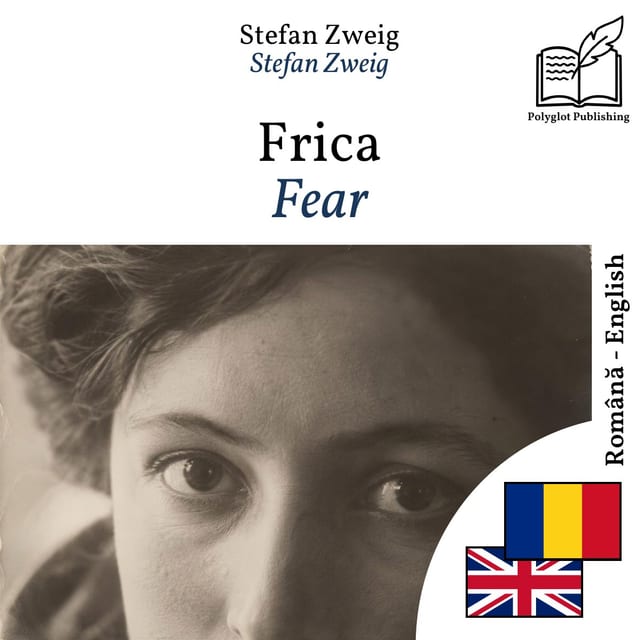
斯蒂芬·茨威格
一個陌生女人的來信
紙本書:€17.99
電子版:€5.99
- 原文出版
- 1922
- 頁數
- 97
- 難度
- ★★☆
- 類型
- 言情, 心理學
- 譯自
- 德文
內容梗概
節選
每段先是您正在學習的語言,譯文就在正下方。
Când cunoscutul romancier R. se întoarse dis-de-dimineață la Viena, după o excursie înviorătoare de trei zile la munte, și cumpără un ziar la gară, abia aruncând o privire asupra datei, își aminti că era ziua lui de naștere. A patruzeci și una, se gândi repede, iar constatarea aceasta nu-i făcu nici bine, nici rău. Răsfoi în grabă paginile foșnitoare ale ziarului și luă un taxi până acasă. Servitorul îi raportă că în lipsa lui avusese două vizite și câteva telefoane și îi aduse pe o tavă corespondența adunată. Cu nepăsare se uită peste ce sosise și desfăcu câteva plicuri ai căror expeditori îl interesau; o scrisoare cu un scris necunoscut, care i se păru prea voluminoasă, o puse deocamdată deoparte. Între timp i se servise ceaiul; se lăsă comod în fotoliu, mai răsfoi o dată ziarul și câteva tipărituri, apoi își aprinse o țigară de foi și luă în sfârșit scrisoarea pusă deoparte.
When the well-known novelist R. returned to Vienna early one morning from a refreshing three-day excursion into the mountains and bought a newspaper at the station, he had barely glanced at the date before he was reminded that today was his birthday. His forty-first, he quickly reflected, and the realisation neither pleased nor pained him. He leafed hastily through the crackling pages of the newspaper and took a hired motor car to his flat. The manservant reported two visitors and several telephone calls during his absence and brought him the accumulated post on a tray. He looked idly through the letters and tore open a few envelopes whose senders interested him; one letter, addressed in an unfamiliar hand and seemingly too bulky, he pushed aside for the time being. Meanwhile tea had been served; he leaned back comfortably in his armchair, leafed once more through the newspaper and some printed matter; then he lit a cigar and at last reached for the letter he had set aside.
Erau vreo două duzini de pagini scrise în grabă, cu un scris de femeie necunoscut și neliniștit, mai degrabă un manuscris decât o scrisoare. Fără să vrea, pipăi încă o dată plicul, ca să vadă dacă nu rămăsese uitată înăuntru vreo scrisoare de însoțire. Dar plicul era gol și, la fel ca foile înseși, nu purta nici adresa expeditorului, nici vreo semnătură. Ciudat, se gândi el, și luă din nou scrisoarea în mână. „Ție, care nu m-ai cunoscut niciodată”, scria sus, ca o invocație, ca un titlu. Mirat, se opri: lui îi era adresată, sau unei ființe închipuite în vis? Curiozitatea i se trezi dintr-odată. Și începu să citească:
It consisted of some two dozen hastily written pages in an unfamiliar, restless woman’s hand, a manuscript rather than a letter. Involuntarily he felt the envelope once more, in case a covering note had been left inside. But the envelope was empty and, like the pages themselves, bore neither a sender’s address nor a signature. Strange, he thought, and took up the letter again. “To you, who never knew me” stood at the top, as a salutation, as a heading. He paused in astonishment: was this meant for him, or for some imagined person? His curiosity was suddenly aroused. And he began to read:
*
*
Copilul meu a murit ieri – trei zile și trei nopți m-am luptat cu moartea pentru această viață mică și firavă, patruzeci de ore am stat la căpătâiul lui, în timp ce gripa îi zguduia de febră bietul trup fierbinte. I-am pus ceva rece pe fruntea care ardea, i-am ținut zi și noapte mânuțele neliniștite. În a treia seară m-am prăbușit. Ochii nu mai puteau, mi s-au închis fără să-mi dau seama. Trei ore sau patru am dormit pe scaunul tare, și între timp moartea l-a luat. Acum zace acolo, dulcele, bietul meu băiat, în pătucul lui îngust, întocmai cum a murit; doar ochii i-au fost închiși, ochii lui deștepți și întunecați, mâinile i-au fost împreunate pe cămășuța albă, iar patru lumânări ard înalte la cele patru colțuri ale patului. Nu îndrăznesc să mă uit, nu îndrăznesc să mă mișc, căci atunci când pâlpâie, lumânările, umbre alunecă peste fața lui și peste gura închisă, și atunci parcă i s-ar mișca trăsăturile, și aș putea crede că nu e mort, că se va trezi iar și îmi va spune cu glasul lui limpede ceva copilăresc de tandru. Dar știu, e mort, nu mai vreau să mă uit, ca să nu sper din nou, ca să nu fiu din nou dezamăgită. Știu, știu, copilul meu a murit ieri – acum nu te mai am pe lume decât pe tine, numai pe tine, care nu știi nimic despre mine, care între timp te joci fără să bănuiești nimic sau te amuzi cu lucruri și oameni. Numai pe tine, care nu m-ai cunoscut niciodată și pe care te-am iubit mereu.
My child died yesterday – for three days and three nights I wrestled with death for this small, tender life; for forty hours I sat at his bedside while influenza shook his poor, burning body with fever. I laid cool cloths on his glowing forehead, I held his restless little hands day and night. On the third evening I collapsed. My eyes could do no more; they closed without my knowing it. For three or four hours I slept on the hard chair, and in the meantime death took him. Now he lies there, my sweet, poor boy, in his narrow little bed, just as he died; they have only closed his eyes, his clever, dark eyes, and folded his hands over his white shirt, and four candles burn tall at the four corners of the bed. I dare not look, I dare not stir, for when the candles flicker, shadows flit across his face and his closed mouth, and then it is as though his features moved, and I could almost believe that he is not dead, that he will wake again and say something tender and childlike to me in his clear voice. But I know it, he is dead; I will not look any more, so as not to hope once again, not to be disappointed once again. I know it, I know it, my child died yesterday – now I have only you left in the world, only you, who know nothing of me, who meanwhile are playing, unsuspecting, or trifling with things and people. Only you, who never knew me and whom I have always loved.
情節

作品世界

作者

逐行對照 版面下,雙語對照閱讀法的優勢
原文每一行的下方,就是對應的譯文,位置完全對齊。您不會找不到自己讀到哪裡:目光往下移一行,剛才那句話就在眼前。這種排法讓您能直接翻開一本自己還不太熟的語言寫成的書,一路讀下去而不中斷,也能幾乎逐字比對兩種文本。