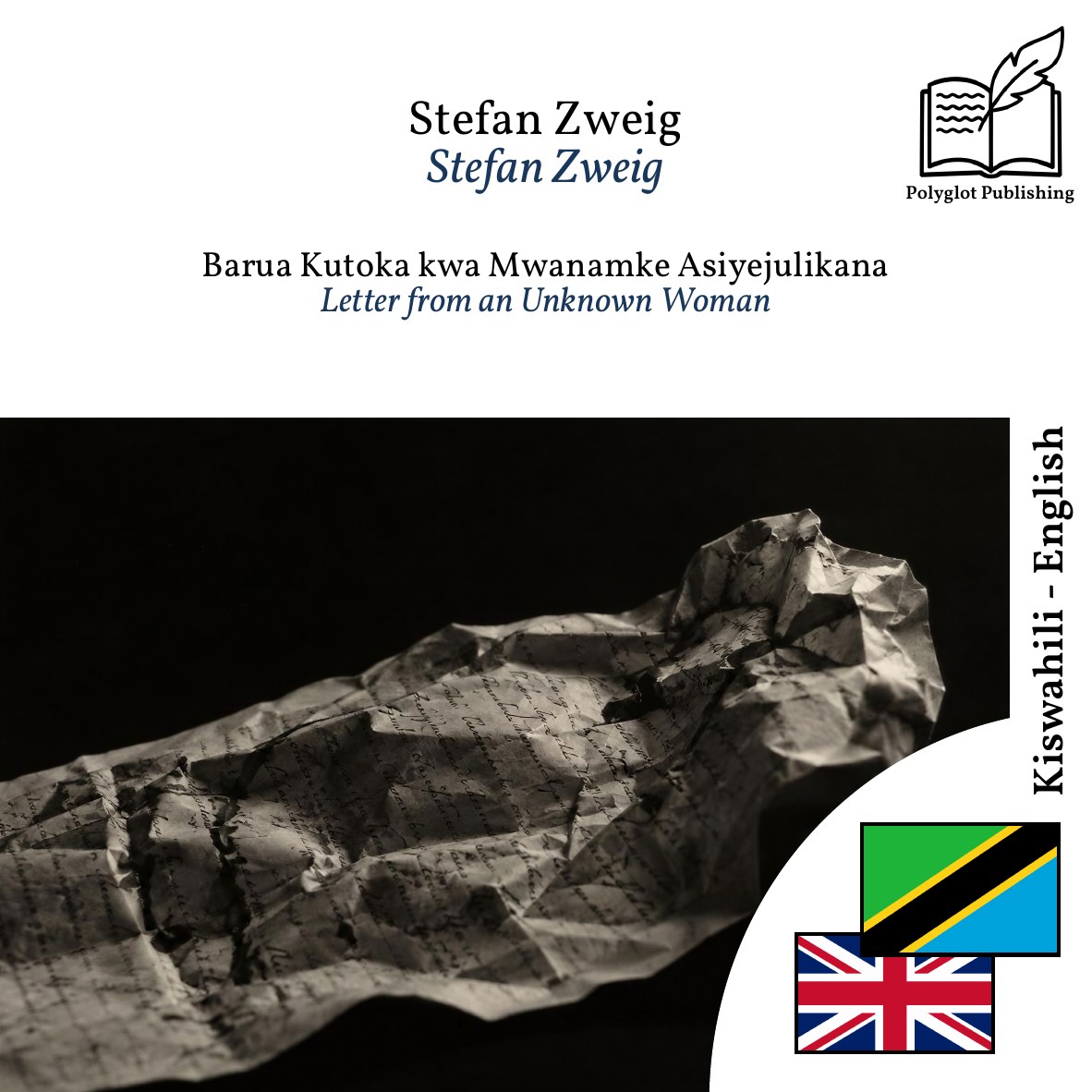
Στέφαν Τσβάιχ
Γράμμα μιας άγνωστης
Έντυπο βιβλίο: 17,99 €
Ψηφιακό: 5,99 €
- Πρώτη έκδοση
- 1922
- Σελίδες
- 97
- Δυσκολία
- ★★☆
- Είδη
- Ρομαντισμός, Ψυχολογία
- Μεταφράστηκε από
- Γερμανικά
Περίληψη του βιβλίου
Απόσπασμα
Κάθε απόσπασμα στη γλώσσα που μαθαίνετε, με τη μετάφρασή του ακριβώς από κάτω.
Mwandishi mashuhuri wa riwaya R. aliporejea Vienna asubuhi na mapema kutoka katika matembezi ya siku tatu milimani yaliyomburudisha, na kununua gazeti kwenye stesheni ya reli, mara tu alipotupia jicho tarehe, alikumbuka kwamba leo ilikuwa siku yake ya kuzaliwa. Ya arobaini na moja, alijikumbusha upesi, na jambo hilo halikumfurahisha wala halikumhuzunisha. Alipitia kwa haraka kurasa za gazeti zilizokuwa zikichakacha, kisha akapanda gari la kukodi hadi nyumbani kwake. Mtumishi wake alimweleza kwamba alipokuwa hayupo walikuja wageni wawili na kulikuwa na simu kadhaa, kisha akamletea kwenye sinia barua zilizokuwa zimelimbikizana. Bila kujali sana aliangalia barua zilizofika, akafungua bahasha chache ambazo watumaji wake walimvutia; barua moja yenye mwandiko asioufahamu, iliyoonekana ndefu mno, aliiweka kando kwanza. Wakati huo chai ilikuwa imeletwa; aliegemea kwa starehe kwenye kiti cha kupumzikia, akapitia tena gazeti na machapisho machache, kisha akawasha sigaa na hatimaye akaichukua ile barua aliyokuwa ameiweka kando.
When the well-known novelist R. returned to Vienna early one morning from a refreshing three-day excursion into the mountains and bought a newspaper at the station, he had barely glanced at the date before he was reminded that today was his birthday. His forty-first, he quickly reflected, and the realisation neither pleased nor pained him. He leafed hastily through the crackling pages of the newspaper and took a hired motor car to his flat. The manservant reported two visitors and several telephone calls during his absence and brought him the accumulated post on a tray. He looked idly through the letters and tore open a few envelopes whose senders interested him; one letter, addressed in an unfamiliar hand and seemingly too bulky, he pushed aside for the time being. Meanwhile tea had been served; he leaned back comfortably in his armchair, leafed once more through the newspaper and some printed matter; then he lit a cigar and at last reached for the letter he had set aside.
Zilikuwa kurasa zipatazo dazeni mbili zilizoandikwa kwa haraka kwa mwandiko wa mwanamke usiojulikana, uliojaa wasiwasi, zaidi muswada kuliko barua. Bila kukusudia aliipapasa tena bahasha, kuona kama labda barua ya utangulizi ilikuwa imesahauliwa ndani yake. Lakini bahasha ilikuwa tupu, na sawa na kurasa zenyewe, haikuwa na anwani ya mtumaji wala sahihi. Ajabu, aliwaza, na akaishika tena ile barua mkononi. “Kwako wewe, ambaye hukuwahi kunijua”, ndivyo ilivyoandikwa juu kama salamu, kama kichwa. Alisita kwa mshangao: je, maneno hayo yalimlenga yeye, au yalimlenga mtu wa kuwaziwa tu? Udadisi wake uliamka ghafla. Akaanza kusoma:
It consisted of some two dozen hastily written pages in an unfamiliar, restless woman’s hand, a manuscript rather than a letter. Involuntarily he felt the envelope once more, in case a covering note had been left inside. But the envelope was empty and, like the pages themselves, bore neither a sender’s address nor a signature. Strange, he thought, and took up the letter again. “To you, who never knew me” stood at the top, as a salutation, as a heading. He paused in astonishment: was this meant for him, or for some imagined person? His curiosity was suddenly aroused. And he began to read:
*
*
Mtoto wangu alikufa jana – kwa siku tatu na usiku tatu nimepambana na kifo kwa ajili ya uhai huu mdogo, dhaifu; kwa saa arobaini nimeketi kando ya kitanda chake, wakati mafua yalipoutikisa kwa homa mwili wake maskini uliokuwa ukiungua. Nimeweka vitambaa vya baridi kwenye paji lake la uso lililokuwa likiwaka, nimeishika mikono yake midogo isiyotulia mchana na usiku. Jioni ya tatu niliporomoka. Macho yangu hayakuweza tena, yalifumba bila mimi kujua. Kwa saa tatu au nne nililala usingizi kwenye kiti kigumu, na wakati huo kifo kilimchukua. Sasa amelala pale, mvulana mtamu, maskini, katika kitanda chake chembamba cha mtoto, kama vile alivyokufa; wamemfumba macho tu, macho yake ya busara, meusi, wameikunja mikono yake juu ya shati lake jeupe, na mishumaa minne inawaka juu katika pembe nne za kitanda. Sithubutu kutazama huko, sithubutu kujisogeza, kwa sababu inapopepesuka, ile mishumaa, vivuli vinapita kwa kasi juu ya uso wake na kinywa chake kilichofumbwa, na hapo inakuwa kana kwamba sura yake inajongea, nami ningeweza kudhani kwamba hajafa, kwamba ataamka tena na kwa sauti yake angavu aniambie jambo fulani la upole wa kitoto. Lakini najua, amekufa, sitaki tena kutazama huko, ili nisitumaini tena, nisivunjike moyo tena. Najua, najua, mtoto wangu alikufa jana – sasa nimebaki na wewe tu duniani, wewe tu, ambaye hujui chochote juu yangu, ambaye wakati huu unacheza bila habari au unachezea vitu na watu. Wewe tu, ambaye hukuwahi kunijua na ambaye nimekupenda siku zote.
My child died yesterday – for three days and three nights I wrestled with death for this small, tender life; for forty hours I sat at his bedside while influenza shook his poor, burning body with fever. I laid cool cloths on his glowing forehead, I held his restless little hands day and night. On the third evening I collapsed. My eyes could do no more; they closed without my knowing it. For three or four hours I slept on the hard chair, and in the meantime death took him. Now he lies there, my sweet, poor boy, in his narrow little bed, just as he died; they have only closed his eyes, his clever, dark eyes, and folded his hands over his white shirt, and four candles burn tall at the four corners of the bed. I dare not look, I dare not stir, for when the candles flicker, shadows flit across his face and his closed mouth, and then it is as though his features moved, and I could almost believe that he is not dead, that he will wake again and say something tender and childlike to me in his clear voice. But I know it, he is dead; I will not look any more, so as not to hope once again, not to be disappointed once again. I know it, I know it, my child died yesterday – now I have only you left in the world, only you, who know nothing of me, who meanwhile are playing, unsuspecting, or trifling with things and people. Only you, who never knew me and whom I have always loved.
Η πλοκή

Ο κόσμος του βιβλίου

Ο συγγραφέας

Τα πλεονεκτήματα της δίγλωσσης μεθόδου με την προβολή Συγχρονισμός γραμμή προς γραμμή
Κάθε σειρά του πρωτοτύπου έχει τη μετάφρασή της ακριβώς από κάτω, στο ίδιο ύψος. Δεν χάνετε ποτέ τη θέση σας: το μάτι κατεβαίνει μια σειρά και βρίσκει ακριβώς τη φράση που μόλις διάβασε. Είναι η διάταξη που σας επιτρέπει να ανοίξετε ένα βιβλίο σε γλώσσα που δεν κατέχετε καλά χωρίς να το εγκαταλείψετε, και να συγκρίνετε τα δύο κείμενα σχεδόν λέξη προς λέξη.
Παρόμοια βιβλία
Εικοσιτέσσερις ώρες από τη ζωή μιας γυναίκας
Στέφαν Τσβάιχ
Αμόκ
Στέφαν Τσβάιχ
Ανεμοδαρμένα Ύψη
Έμιλι Μπροντέ

Μία γυναίκα
Άλφρεντ Όλιβαντ

Η Μαντόνα με το γούνινο παλτό
Σαμπαχατίν Αλί

Μεγάλες προσδοκίες
Τσαρλς Ντίκενς

Τζέιν Έιρ
Σαρλότ Μπροντέ
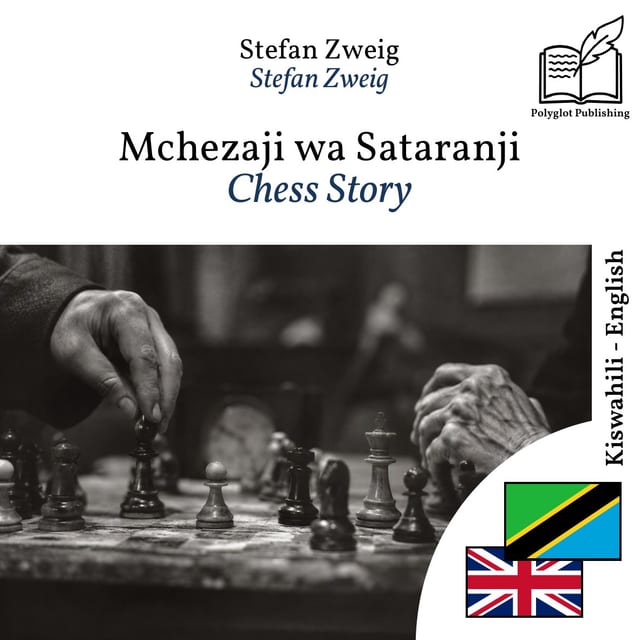
Σκακιστική νουβέλα
Στέφαν Τσβάιχ

Ο λόφος του τράγου
Άλις Ράις

Αν Βερόνικα
Χ. Τζ. Ουέλς
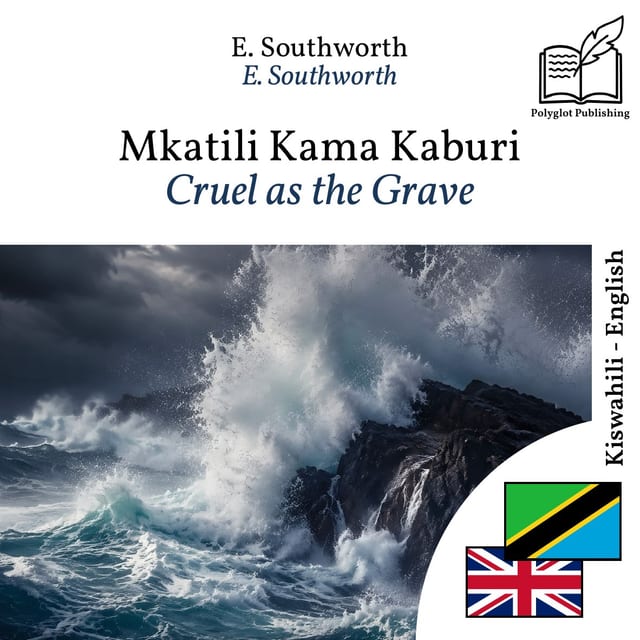
Σκληρός σαν τον τάφο
Ε. Σάουθγουορθ
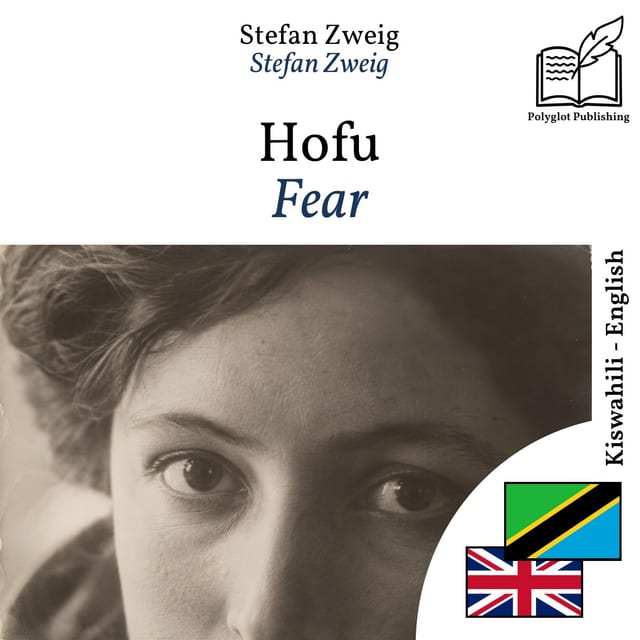
Φόβος
Στέφαν Τσβάιχ
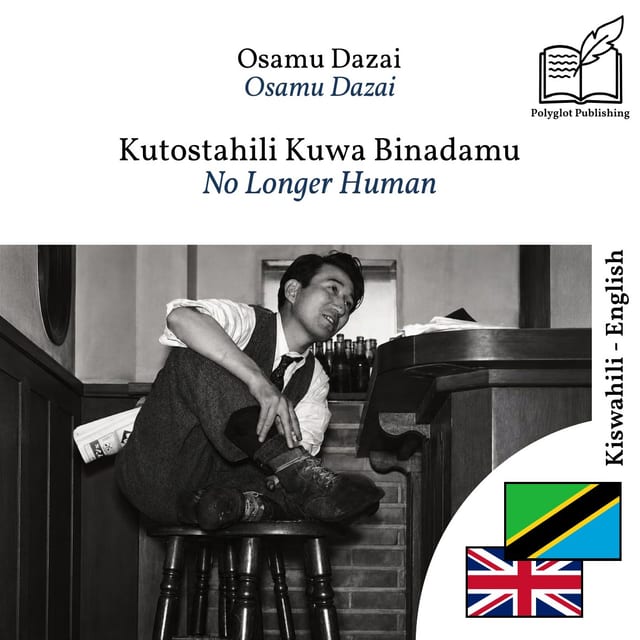
Η παρακμή ενός ανθρώπου
Οσάμου Νταζάι
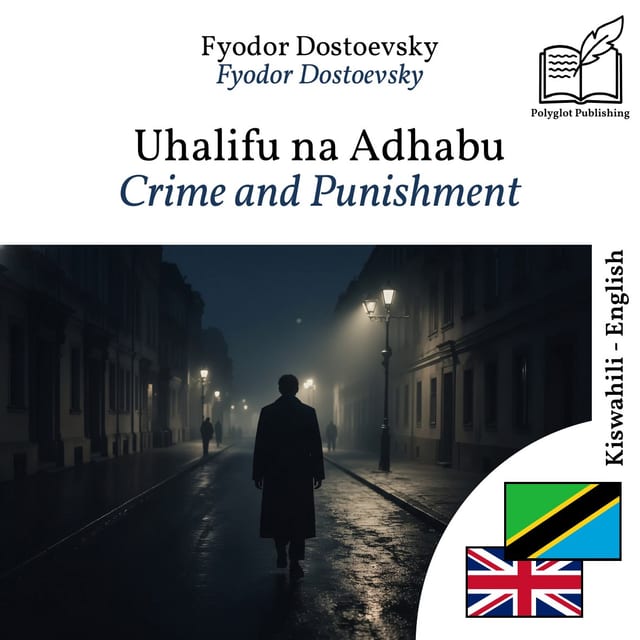
Έγκλημα και Τιμωρία
Φιοντόρ Ντοστογιέφσκι

Ερωτικές επιστολές στον Ίμλεϊ
Μέρι Γουόλστονκραφτ
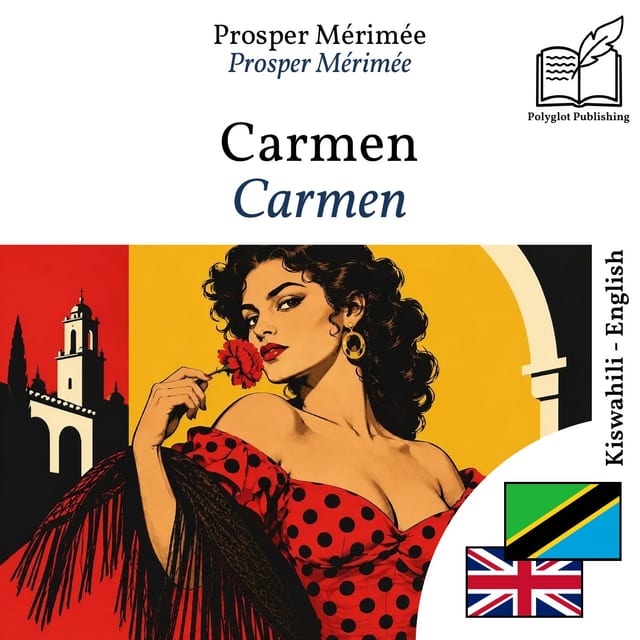
Κάρμεν
Προσπέρ Μεριμέ
Εξερευνήστε τον ιστότοπο
Άλλες γλώσσες που μπορείτε να μάθετε
- Αγγλικά
- Γαλλικά
- Ισπανικά
- Γερμανικά
- Ιταλικά
- Ρωσικά
- Αραβικά
- Βουλγαρικά
- Βεγγαλικά
- Καταλανικά
- Τσεχικά
- Δανικά
- Εσπεράντο
- Εσθονικά
- Περσικά
- Φινλανδικά
- Εβραϊκά
- Χίντι
- Κροατικά
- Ουγγρικά
- Ινδονησιακά
- Ιαπωνικά
- Καζακικά
- Κορεατικά
- Λιθουανικά
- Λετονικά
- Ολλανδικά
- Νορβηγικά
- Πολωνικά
- Πορτογαλικά
- Πορτογαλικά Βραζιλίας
- Ρουμανικά
- Σερβικά (Λατινικό)
- Σερβικά (Κυριλλικό)
- Σλοβακικά
- Σλοβενικά
- Σουηδικά
- Σουαχίλι
- Τουρκικά
- Ουκρανικά
- Βιετναμικά
- Κινεζικά
- Κινεζικά (Ταϊβάν)