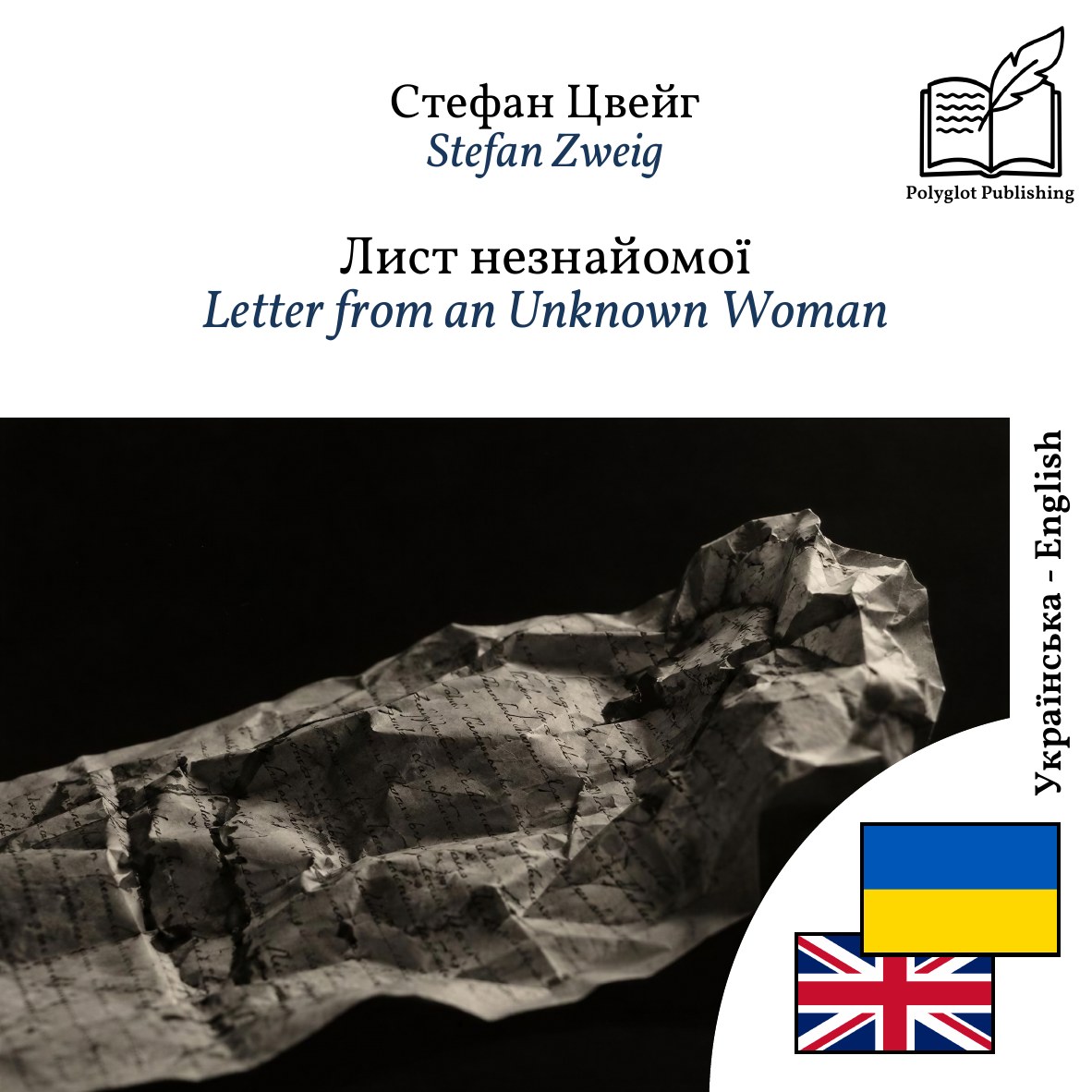
Στέφαν Τσβάιχ
Γράμμα μιας άγνωστης
Έντυπο βιβλίο: 17,99 €
Ψηφιακό: 5,99 €
- Πρώτη έκδοση
- 1922
- Σελίδες
- 97
- Δυσκολία
- ★★☆
- Είδη
- Ρομαντισμός, Ψυχολογία
- Μεταφράστηκε από
- Γερμανικά
Περίληψη του βιβλίου
Απόσπασμα
Κάθε απόσπασμα στη γλώσσα που μαθαίνετε, με τη μετάφρασή του ακριβώς από κάτω.
Коли відомий романіст Р. рано-вранці повернувся до Відня з триденної освіжної мандрівки в гори і купив на вокзалі газету, він, ледве глянувши на дату, згадав, що сьогодні його день народження. Сорок перший, швидко подумав він, і цей висновок не викликав у ньому ні радості, ні смутку. Побіжно перегорнувши шелесткі сторінки газети, він поїхав найманим автомобілем додому. Слуга доповів, що за час його відсутності приходили двоє відвідувачів і кілька разів телефонували, і подав на таці пошту, що встигла накопичитися. Недбало переглянув він кореспонденцію, розірвав кілька конвертів, відправники яких його зацікавили; лист, надписаний незнайомим почерком, який здався йому надто об’ємним, він поки що відсунув убік. Тим часом подали чай; він зручно відкинувся у кріслі, ще раз переглянув газету й деякі друковані видання, потім запалив сигару і нарешті взяв відкладений лист.
When the well-known novelist R. returned to Vienna early one morning from a refreshing three-day excursion into the mountains and bought a newspaper at the station, he had barely glanced at the date before he was reminded that today was his birthday. His forty-first, he quickly reflected, and the realisation neither pleased nor pained him. He leafed hastily through the crackling pages of the newspaper and took a hired motor car to his flat. The manservant reported two visitors and several telephone calls during his absence and brought him the accumulated post on a tray. He looked idly through the letters and tore open a few envelopes whose senders interested him; one letter, addressed in an unfamiliar hand and seemingly too bulky, he pushed aside for the time being. Meanwhile tea had been served; he leaned back comfortably in his armchair, leafed once more through the newspaper and some printed matter; then he lit a cigar and at last reached for the letter he had set aside.
Це було зо дві дюжини сторінок, поспіхом списаних чужим, неспокійним жіночим почерком, — радше рукопис, ніж лист. Мимоволі він ще раз обмацав конверт, чи не лишився там забутий супровідний лист. Але конверт був порожній і, так само як і самі аркуші, не мав ні зворотної адреси, ні підпису. Дивно, подумав він і знову взяв листа до рук. «Тобі, хто мене ніколи не знав», — стояло вгорі як звертання, як заголовок. Здивовано він зупинився: чи це стосувалося його, чи якоїсь вимріяної людини? Його цікавість раптом прокинулася. І він почав читати:
It consisted of some two dozen hastily written pages in an unfamiliar, restless woman’s hand, a manuscript rather than a letter. Involuntarily he felt the envelope once more, in case a covering note had been left inside. But the envelope was empty and, like the pages themselves, bore neither a sender’s address nor a signature. Strange, he thought, and took up the letter again. “To you, who never knew me” stood at the top, as a salutation, as a heading. He paused in astonishment: was this meant for him, or for some imagined person? His curiosity was suddenly aroused. And he began to read:
*
*
Моя дитина вчора померла — три дні й три ночі я боролася зі смертю за це маленьке, ніжне життя, сорок годин просиділа я біля його ліжка, поки грип тряс у гарячці його бідне, розпалене тільце. Я клала холодні компреси на його палаюче чоло, я тримала його неспокійні рученята вдень і вночі. На третій вечір я впала знесилена. Мої очі більше не могли, вони заплющилися, а я й не помітила. Три години чи чотири я спала на твердому стільці, і тим часом смерть забрала його. Тепер він лежить там, милий, бідолашний хлопчик, у своєму вузькому дитячому ліжечку, точнісінько такий, яким помер; тільки очі йому закрили, його розумні, темні очі, руки склали на білій сорочці, і чотири свічки високо горять на чотирьох кутах ліжка. Я не наважуюся глянути туди, не наважуюся поворухнутися, бо коли вони мерехтять, свічки, по його обличчю і стуленому ротику пробігають тіні, і тоді здається, ніби його риси ворушаться, і я могла б подумати, що він не мертвий, що він знову прокинеться і своїм дзвінким голосом скаже мені щось дитячо-ніжне. Але я знаю, він мертвий, я не хочу більше дивитися туди, щоб не сподіватися ще раз, щоб ще раз не розчаруватися. Я знаю, я знаю, моя дитина вчора померла — тепер у мене на світі лишився тільки Ти, тільки Ти, що нічого про мене не знаєш, що тим часом безтурботно бавишся або граєшся з речами й людьми. Тільки Ти, хто мене ніколи не знав і кого я завжди кохала.
My child died yesterday – for three days and three nights I wrestled with death for this small, tender life; for forty hours I sat at his bedside while influenza shook his poor, burning body with fever. I laid cool cloths on his glowing forehead, I held his restless little hands day and night. On the third evening I collapsed. My eyes could do no more; they closed without my knowing it. For three or four hours I slept on the hard chair, and in the meantime death took him. Now he lies there, my sweet, poor boy, in his narrow little bed, just as he died; they have only closed his eyes, his clever, dark eyes, and folded his hands over his white shirt, and four candles burn tall at the four corners of the bed. I dare not look, I dare not stir, for when the candles flicker, shadows flit across his face and his closed mouth, and then it is as though his features moved, and I could almost believe that he is not dead, that he will wake again and say something tender and childlike to me in his clear voice. But I know it, he is dead; I will not look any more, so as not to hope once again, not to be disappointed once again. I know it, I know it, my child died yesterday – now I have only you left in the world, only you, who know nothing of me, who meanwhile are playing, unsuspecting, or trifling with things and people. Only you, who never knew me and whom I have always loved.
Η πλοκή

Ο κόσμος του βιβλίου

Ο συγγραφέας

Τα πλεονεκτήματα της δίγλωσσης μεθόδου με την προβολή Συγχρονισμός γραμμή προς γραμμή
Κάθε σειρά του πρωτοτύπου έχει τη μετάφρασή της ακριβώς από κάτω, στο ίδιο ύψος. Δεν χάνετε ποτέ τη θέση σας: το μάτι κατεβαίνει μια σειρά και βρίσκει ακριβώς τη φράση που μόλις διάβασε. Είναι η διάταξη που σας επιτρέπει να ανοίξετε ένα βιβλίο σε γλώσσα που δεν κατέχετε καλά χωρίς να το εγκαταλείψετε, και να συγκρίνετε τα δύο κείμενα σχεδόν λέξη προς λέξη.
Παρόμοια βιβλία
Εικοσιτέσσερις ώρες από τη ζωή μιας γυναίκας
Στέφαν Τσβάιχ
Αμόκ
Στέφαν Τσβάιχ

Ανεμοδαρμένα Ύψη
Έμιλι Μπροντέ

Μία γυναίκα
Άλφρεντ Όλιβαντ

Η Μαντόνα με το γούνινο παλτό
Σαμπαχατίν Αλί

Μεγάλες προσδοκίες
Τσαρλς Ντίκενς
Τζέιν Έιρ
Σαρλότ Μπροντέ
Σκακιστική νουβέλα
Στέφαν Τσβάιχ

Ο λόφος του τράγου
Άλις Ράις
Αν Βερόνικα
Χ. Τζ. Ουέλς
Σκληρός σαν τον τάφο
Ε. Σάουθγουορθ
Φόβος
Στέφαν Τσβάιχ
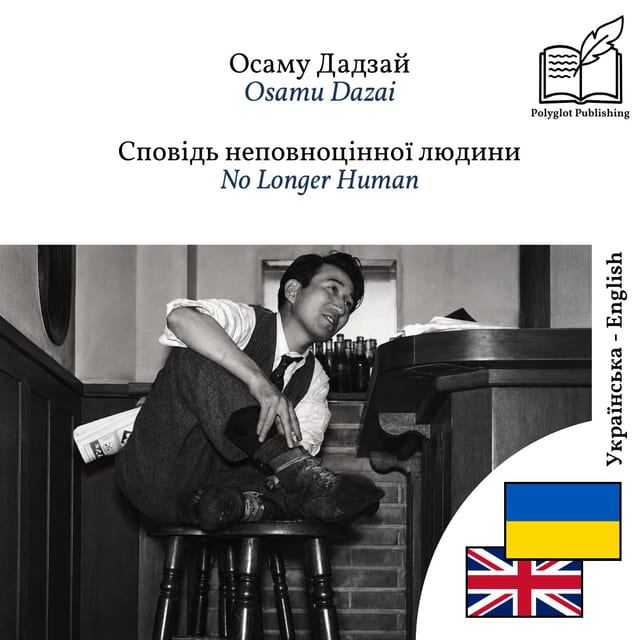
Η παρακμή ενός ανθρώπου
Οσάμου Νταζάι
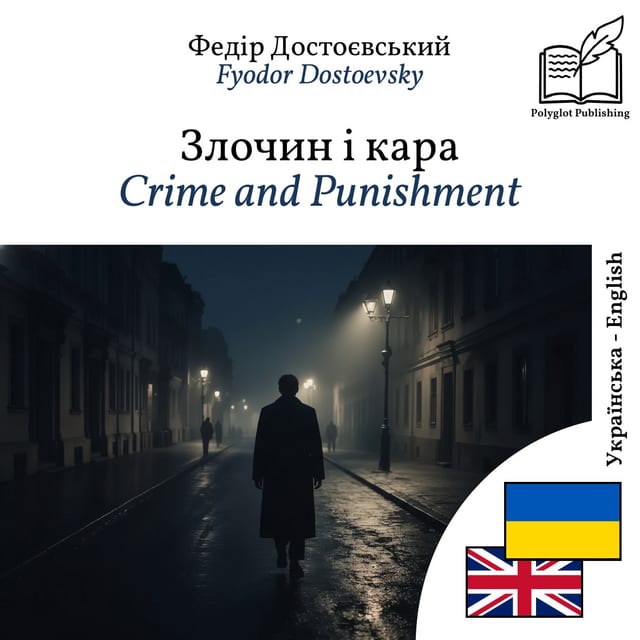
Έγκλημα και Τιμωρία
Φιοντόρ Ντοστογιέφσκι

Ερωτικές επιστολές στον Ίμλεϊ
Μέρι Γουόλστονκραφτ
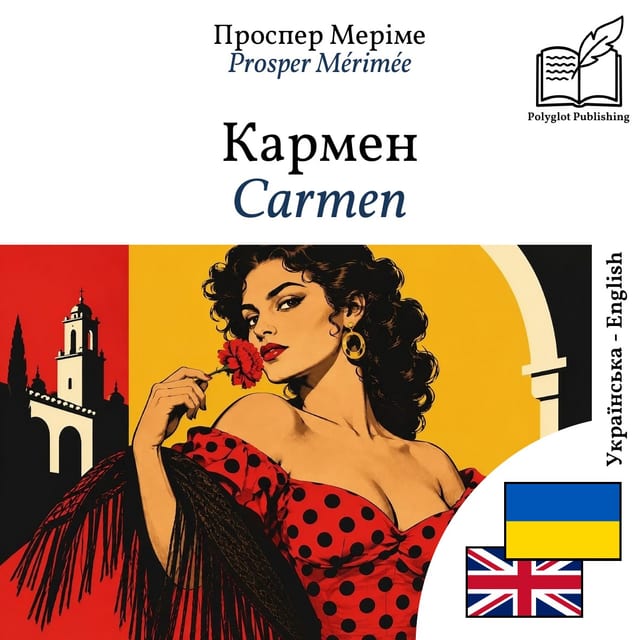
Κάρμεν
Προσπέρ Μεριμέ
Εξερευνήστε τον ιστότοπο
Άλλες γλώσσες που μπορείτε να μάθετε
- Αγγλικά
- Γαλλικά
- Ισπανικά
- Γερμανικά
- Ιταλικά
- Ρωσικά
- Αραβικά
- Βουλγαρικά
- Βεγγαλικά
- Καταλανικά
- Τσεχικά
- Δανικά
- Εσπεράντο
- Εσθονικά
- Περσικά
- Φινλανδικά
- Εβραϊκά
- Χίντι
- Κροατικά
- Ουγγρικά
- Ινδονησιακά
- Ιαπωνικά
- Καζακικά
- Κορεατικά
- Λιθουανικά
- Λετονικά
- Ολλανδικά
- Νορβηγικά
- Πολωνικά
- Πορτογαλικά
- Πορτογαλικά Βραζιλίας
- Ρουμανικά
- Σερβικά (Λατινικό)
- Σερβικά (Κυριλλικό)
- Σλοβακικά
- Σλοβενικά
- Σουηδικά
- Σουαχίλι
- Τουρκικά
- Ουκρανικά
- Βιετναμικά
- Κινεζικά
- Κινεζικά (Ταϊβάν)