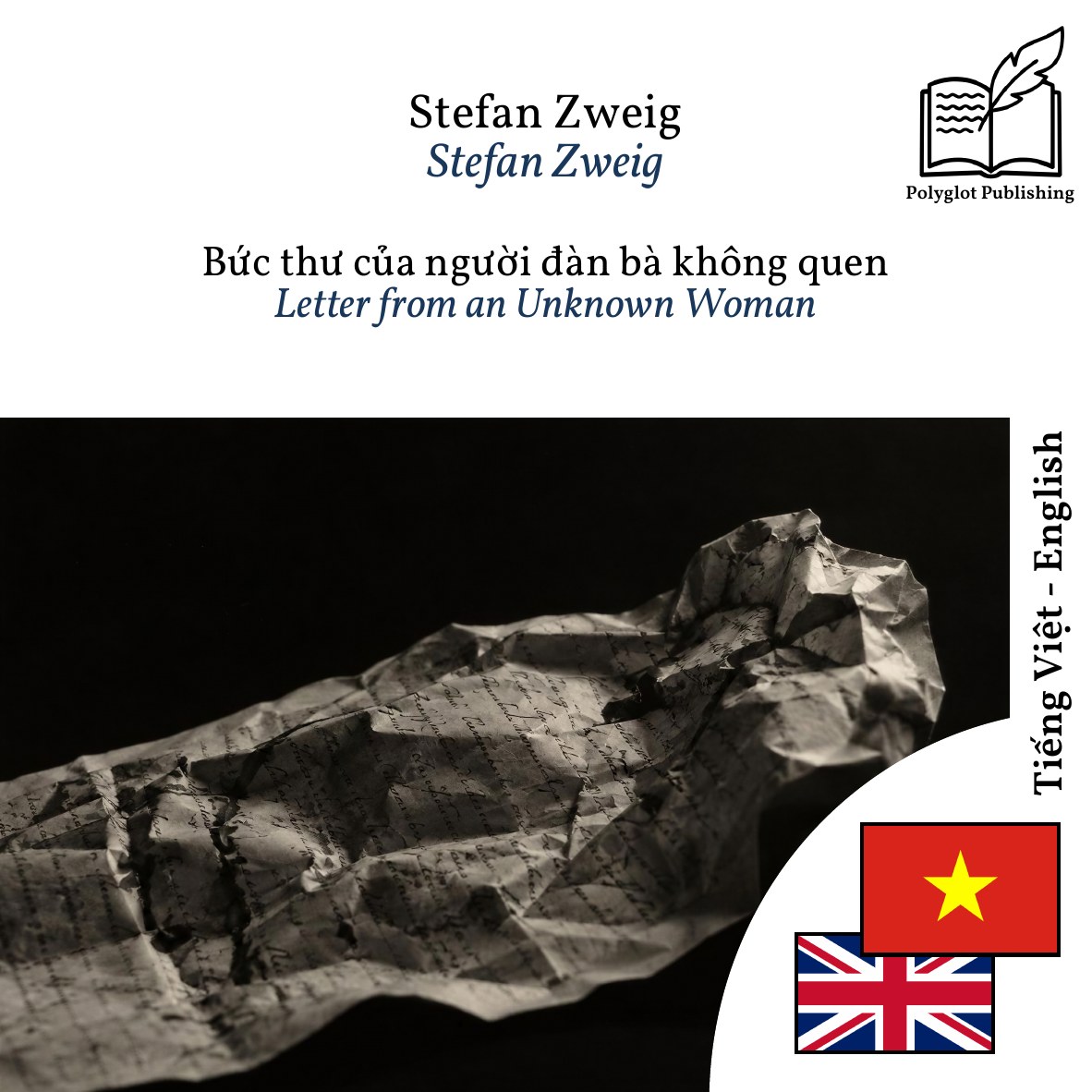
Stefan Zweig
Carta de una desconocida
Libro en papel: 17,99 €
Digital: 5,99 €
- Publicación original
- 1922
- Páginas
- 97
- Dificultad
- ★★☆
- Géneros
- Romance, Psicología
- Traducido desde
- alemán
Resumen del libro
Extracto
Cada pasaje en el idioma que aprendes, con su traducción justo debajo.
Khi nhà tiểu thuyết nổi tiếng R. trở về Viên vào sáng sớm sau chuyến đi chơi núi ba ngày sảng khoái và mua một tờ báo ở nhà ga, vừa liếc qua ngày tháng, ông chợt nhớ ra hôm nay là sinh nhật mình. Sinh nhật thứ bốn mươi mốt, ông nhanh chóng nhẩm lại, và điều nhận ra ấy chẳng làm ông vui mà cũng chẳng làm ông buồn. Ông lật qua loa những trang báo sột soạt rồi đi xe thuê về căn hộ của mình. Người hầu báo rằng trong thời gian ông vắng nhà có hai người đến thăm và mấy cuộc điện thoại, rồi bưng đến trên khay chồng thư từ đã dồn lại. Ông hờ hững xem qua đống thư, xé mấy phong bì có người gửi khiến ông quan tâm; một lá thư mang nét chữ lạ và có vẻ quá dày, ông tạm gạt sang một bên. Trong lúc ấy trà đã được mang lên; ông thoải mái ngả người vào ghế bành, lật lại tờ báo và mấy ấn phẩm một lần nữa; rồi ông châm một điếu xì gà và bấy giờ mới với lấy lá thư đã để riêng ra.
When the well-known novelist R. returned to Vienna early one morning from a refreshing three-day excursion into the mountains and bought a newspaper at the station, he had barely glanced at the date before he was reminded that today was his birthday. His forty-first, he quickly reflected, and the realisation neither pleased nor pained him. He leafed hastily through the crackling pages of the newspaper and took a hired motor car to his flat. The manservant reported two visitors and several telephone calls during his absence and brought him the accumulated post on a tray. He looked idly through the letters and tore open a few envelopes whose senders interested him; one letter, addressed in an unfamiliar hand and seemingly too bulky, he pushed aside for the time being. Meanwhile tea had been served; he leaned back comfortably in his armchair, leafed once more through the newspaper and some printed matter; then he lit a cigar and at last reached for the letter he had set aside.
Đó là chừng hai tá trang giấy viết vội bằng nét chữ đàn bà xa lạ, bồn chồn, giống một bản thảo hơn là một lá thư. Bất giác ông lại sờ nắn phong bì một lần nữa, xem có lá thư kèm theo nào bị bỏ quên trong đó không. Nhưng phong bì trống rỗng, và cũng như chính những trang giấy, không hề có địa chỉ người gửi hay chữ ký. Lạ thật, ông nghĩ, rồi lại cầm lá thư lên. “Gửi anh, người chưa bao giờ biết em”, dòng chữ ấy nằm ở trên cùng như một lời gọi, như một nhan đề. Ông sửng sốt dừng lại: lời ấy dành cho ông, hay cho một con người trong mộng tưởng? Sự tò mò của ông bỗng trỗi dậy. Và ông bắt đầu đọc:
It consisted of some two dozen hastily written pages in an unfamiliar, restless woman’s hand, a manuscript rather than a letter. Involuntarily he felt the envelope once more, in case a covering note had been left inside. But the envelope was empty and, like the pages themselves, bore neither a sender’s address nor a signature. Strange, he thought, and took up the letter again. “To you, who never knew me” stood at the top, as a salutation, as a heading. He paused in astonishment: was this meant for him, or for some imagined person? His curiosity was suddenly aroused. And he began to read:
*
*
Con em đã chết hôm qua – ba ngày ba đêm em đã giành giật với tử thần sinh mạng bé bỏng, mong manh này, bốn mươi giờ liền em ngồi bên giường nó, trong khi cơn cúm làm tấm thân đáng thương, nóng hổi của nó run lên vì sốt. Em đắp khăn mát lên vầng trán bỏng rẫy của nó, em nắm đôi bàn tay nhỏ bé, bồn chồn của nó suốt ngày đêm. Đến tối thứ ba thì em gục xuống. Mắt em không chịu nổi nữa, chúng khép lại lúc nào em không hay. Em đã ngủ thiếp đi ba hay bốn tiếng trên chiếc ghế cứng, và trong lúc ấy tử thần đã cướp nó đi. Giờ nó nằm đó, đứa bé trai đáng yêu, tội nghiệp, trên chiếc giường trẻ con hẹp của nó, y như lúc nó chết; người ta chỉ vuốt mắt cho nó, đôi mắt sẫm màu, thông minh của nó, người ta chắp đôi tay nó lên chiếc áo trắng, và bốn ngọn nến cháy cao ở bốn góc giường. Em không dám nhìn sang, em không dám động đậy, vì khi chúng chập chờn, những ngọn nến ấy, những bóng mờ lướt qua gương mặt nó và đôi môi khép kín, và khi ấy cứ như thể nét mặt nó đang cử động, và em có thể tưởng rằng nó không chết, rằng nó sẽ lại tỉnh dậy và cất giọng trong trẻo nói với em một điều gì đó âu yếm, trẻ thơ. Nhưng em biết, nó đã chết, em không muốn nhìn sang nữa, để khỏi phải hy vọng thêm lần nữa, khỏi phải thất vọng thêm lần nữa. Em biết, em biết, con em đã chết hôm qua – giờ đây trên đời em chỉ còn anh, chỉ mình anh, người chẳng biết gì về em, người trong lúc này đang vô tư vui chơi hay đùa giỡn với đồ vật và con người. Chỉ mình anh, người chưa bao giờ biết em và là người em đã luôn yêu.
My child died yesterday – for three days and three nights I wrestled with death for this small, tender life; for forty hours I sat at his bedside while influenza shook his poor, burning body with fever. I laid cool cloths on his glowing forehead, I held his restless little hands day and night. On the third evening I collapsed. My eyes could do no more; they closed without my knowing it. For three or four hours I slept on the hard chair, and in the meantime death took him. Now he lies there, my sweet, poor boy, in his narrow little bed, just as he died; they have only closed his eyes, his clever, dark eyes, and folded his hands over his white shirt, and four candles burn tall at the four corners of the bed. I dare not look, I dare not stir, for when the candles flicker, shadows flit across his face and his closed mouth, and then it is as though his features moved, and I could almost believe that he is not dead, that he will wake again and say something tender and childlike to me in his clear voice. But I know it, he is dead; I will not look any more, so as not to hope once again, not to be disappointed once again. I know it, I know it, my child died yesterday – now I have only you left in the world, only you, who know nothing of me, who meanwhile are playing, unsuspecting, or trifling with things and people. Only you, who never knew me and whom I have always loved.
La trama

El universo del libro

El autor

Las ventajas del método bilingüe con la presentación Sincronizado línea a línea
Cada línea del original lleva su traducción justo debajo, a la misma altura. Nunca hay que buscar por dónde se iba: el ojo baja un renglón y encuentra exactamente la frase que acaba de leer. Es la disposición que permite empezar un libro en una lengua que apenas se domina sin abandonarlo nunca, y comparar ambos textos casi palabra por palabra.
Libros similares

Veinticuatro horas en la vida de una mujer
Stefan Zweig
Amok
Stefan Zweig

Cumbres borrascosas
Emily Brontë

Una mujer
Alfred Ollivant

La madona del abrigo de piel
Sabahattin Ali

Grandes esperanzas
Charles Dickens

Jane Eyre
Charlotte Brontë
Novela de ajedrez
Stefan Zweig

La Colina del Chivo
Alice C. Hegan Rice
Ann Veronica
H. G. Wells
Cruel como la tumba
E. D. E. N. Southworth
Miedo
Stefan Zweig
Indigno de ser humano
Osamu Dazai
Crimen y castigo
Fiódor Dostoievski

Cartas de amor
Mary Wollstonecraft
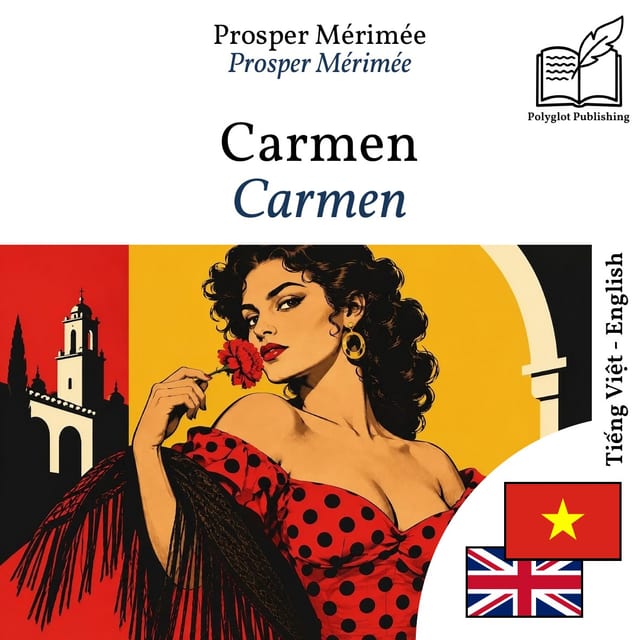
Carmen
Prosper Mérimée
Explorar el sitio
Otros idiomas que puedes aprender
- inglés
- francés
- alemán
- italiano
- ruso
- árabe
- búlgaro
- bengalí
- catalán
- checo
- danés
- griego
- esperanto
- estonio
- persa
- finés
- hebreo
- hindi
- croata
- húngaro
- indonesio
- japonés
- kazajo
- coreano
- lituano
- letón
- neerlandés
- noruego
- polaco
- portugués
- portugués de Brasil
- rumano
- serbio (latino)
- serbio (cirílico)
- eslovaco
- esloveno
- sueco
- suajili
- turco
- ucraniano
- vietnamita
- chino
- chino (Taiwán)