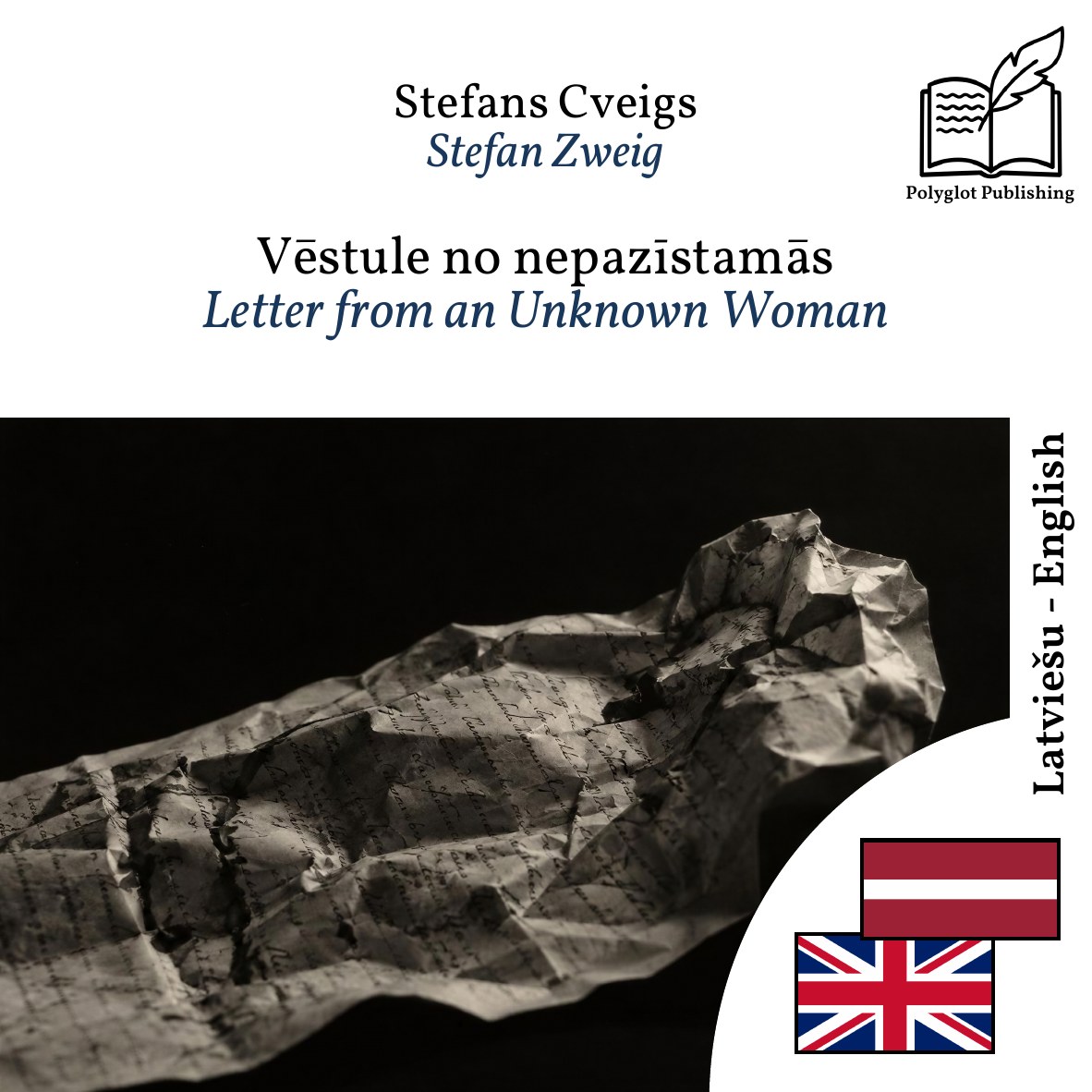
স্টেফান ৎসোয়াইগ
অপরিচিতার চিঠি
কাগজের বই: ১৭.৯৯€
ডিজিটাল: ৫.৯৯€
- মূল প্রকাশনা
- 1922
- পৃষ্ঠা
- 97
- কঠিনতা
- ★★☆
- ধরন
- রোমান্স, মনোবিজ্ঞান
- অনুবাদের মূল ভাষা
- জার্মান
বইয়ের সারসংক্ষেপ
অংশবিশেষ
প্রতিটি অংশ আপনি যে ভাষা শিখছেন সেই ভাষায়, ঠিক নিচে তার অনুবাদ।
Kad pazīstamais romānu rakstnieks R. agri no rīta pēc trīs dienu atspirdzinoša izbrauciena kalnos atgriezās Vīnē un stacijā nopirka avīzi, viņš, tikko pārlaidis skatienu datumam, atcerējās, ka šodien ir viņa dzimšanas diena. Četrdesmit pirmā, viņš ātri aprēķināja, un šī atziņa viņu ne iepriecināja, ne sāpināja. Pavirši viņš pāršķirstīja čaukstošās avīzes lapas un ar taksometru aizbrauca uz savu dzīvokli. Sulainis paziņoja, ka viņa prombūtnes laikā bijuši divi apmeklētāji un daži telefona zvani, un uz paplātes atnesa sakrājušos pastu. Kūtri viņš pārlūkoja sūtījumus, atplēsa dažas aploksnes, kuru sūtītāji viņu ieinteresēja; vēstuli ar svešu rokrakstu, kas likās pārāk apjomīga, viņš pagaidām atbīdīja malā. Tikmēr bija pasniegta tēja; viņš ērti atlaidās atpūtas krēslā, vēlreiz pāršķirstīja avīzi un dažus iespieddarbus, tad aizsmēķēja cigāru un beidzot paņēma atlikto vēstuli.
When the well-known novelist R. returned to Vienna early one morning from a refreshing three-day excursion into the mountains and bought a newspaper at the station, he had barely glanced at the date before he was reminded that today was his birthday. His forty-first, he quickly reflected, and the realisation neither pleased nor pained him. He leafed hastily through the crackling pages of the newspaper and took a hired motor car to his flat. The manservant reported two visitors and several telephone calls during his absence and brought him the accumulated post on a tray. He looked idly through the letters and tore open a few envelopes whose senders interested him; one letter, addressed in an unfamiliar hand and seemingly too bulky, he pushed aside for the time being. Meanwhile tea had been served; he leaned back comfortably in his armchair, leafed once more through the newspaper and some printed matter; then he lit a cigar and at last reached for the letter he had set aside.
Tās bija apmēram divi duči steigā aprakstītu lapu svešā, nemierīgā sievietes rokrakstā – drīzāk manuskripts nekā vēstule. Neviļus viņš vēlreiz aptaustīja aploksni, vai tajā nav palikusi aizmirsta kāda pavadvēstule. Taču aploksne bija tukša, un uz tās, tāpat kā uz pašām lapām, nebija ne sūtītāja adreses, ne paraksta. Dīvaini, viņš nodomāja un atkal paņēma vēstuli rokā. „Tev, kas mani nekad neesi pazinis“, augšā bija rakstīts kā uzruna, kā virsraksts. Izbrīnīts viņš apstājās: vai tas bija domāts viņam vai kādam sapņos izdomātam cilvēkam? Viņa ziņkāre pēkšņi bija pamodusies. Un viņš sāka lasīt:
It consisted of some two dozen hastily written pages in an unfamiliar, restless woman’s hand, a manuscript rather than a letter. Involuntarily he felt the envelope once more, in case a covering note had been left inside. But the envelope was empty and, like the pages themselves, bore neither a sender’s address nor a signature. Strange, he thought, and took up the letter again. “To you, who never knew me” stood at the top, as a salutation, as a heading. He paused in astonishment: was this meant for him, or for some imagined person? His curiosity was suddenly aroused. And he began to read:
*
*
Mans bērns vakar nomira – trīs dienas un trīs naktis es cīnījos ar nāvi par šo mazo, trauslo dzīvību, četrdesmit stundas es sēdēju pie viņa gultas, kamēr gripa kratīja drudzī viņa nabaga karsto ķermenīti. Es liku kaut ko vēsu uz viņa kvēlojošās pieres, es dienu un nakti turēju viņa nemierīgās mazās rociņas. Trešajā vakarā es saļimu. Manas acis vairs neizturēja, tās aizvērās, man pašai to nemanot. Trīs vai četras stundas es nogulēju uz cietā krēsla, un tikmēr nāve viņu paņēma. Tagad viņš tur guļ, mīļais, nabaga zēns, savā šaurajā bērnu gultiņā, tieši tāds, kāds nomira; tikai acis viņam aizvēra, viņa gudrās, tumšās acis, rokas viņam salika uz baltā krekliņa, un četras sveces augstu deg četros gultas stūros. Es neuzdrošinos paskatīties, neuzdrošinos pakustēties, jo, kad tās plīvo, sveces, pār viņa seju un aizvērto muti slīd ēnas, un tad ir tā, it kā viņa vaibsti kustētos, un es varētu domāt, ka viņš nav miris, ka viņš atkal pamodīsies un ar savu skanīgo balsi pateiks man kaut ko bērnišķīgi maigu. Bet es zinu, viņš ir miris, es vairs negribu skatīties, lai vēlreiz necerētu, lai vēlreiz nepiedzīvotu vilšanos. Es zinu, es zinu, mans bērns vakar nomira – tagad man pasaulē esi palicis tikai Tu, tikai Tu, kas par mani neko nezini, kas tikmēr neko nenojauzdams spēlējies vai vieglprātīgi rotaļājies ar lietām un cilvēkiem. Tikai Tu, kas mani nekad neesi pazinis un ko es vienmēr esmu mīlējusi.
My child died yesterday – for three days and three nights I wrestled with death for this small, tender life; for forty hours I sat at his bedside while influenza shook his poor, burning body with fever. I laid cool cloths on his glowing forehead, I held his restless little hands day and night. On the third evening I collapsed. My eyes could do no more; they closed without my knowing it. For three or four hours I slept on the hard chair, and in the meantime death took him. Now he lies there, my sweet, poor boy, in his narrow little bed, just as he died; they have only closed his eyes, his clever, dark eyes, and folded his hands over his white shirt, and four candles burn tall at the four corners of the bed. I dare not look, I dare not stir, for when the candles flicker, shadows flit across his face and his closed mouth, and then it is as though his features moved, and I could almost believe that he is not dead, that he will wake again and say something tender and childlike to me in his clear voice. But I know it, he is dead; I will not look any more, so as not to hope once again, not to be disappointed once again. I know it, I know it, my child died yesterday – now I have only you left in the world, only you, who know nothing of me, who meanwhile are playing, unsuspecting, or trifling with things and people. Only you, who never knew me and whom I have always loved.
কাহিনি

বইয়ের জগৎ

লেখক

লাইন বাই লাইন সিঙ্ক্রোনাইজড বিন্যাসে দ্বিভাষিক পদ্ধতির সুবিধা কী
মূল লেখার প্রতিটি পঙ্ক্তির ঠিক নিচেই তার অনুবাদ, একই উচ্চতায়। কোথায় আছেন তা খুঁজতে হয় না—চোখ এক ধাপ নামলেই যে বাক্যটি সদ্য পড়েছেন সেটিই সামনে। যে ভাষায় দখল এখনো কম, সেই ভাষার বই শুরু থেকে শেষ পর্যন্ত না-থেমে পড়ার সাজ এটিই; দুই লেখা প্রায় শব্দে শব্দে মিলিয়ে দেখা যায়।
একই ধরনের বই
এক নারীর জীবনের চব্বিশ ঘণ্টা
স্টেফান ৎসোয়াইগ
আমক
স্টেফান ৎসোয়াইগ

ওয়াদারিং হাইটস
এমিলি ব্রন্টে

এক নারী
আলফ্রেড অলিভ্যান্ট

ফারের কোট পরা ম্যাডোনা
সাবাহাত্তিন আলি

মহৎ প্রত্যাশা
চার্লস ডিকেন্স
জেন আয়ার
শার্লট ব্রন্টে
দাবা খেলোয়াড়
স্টেফান ৎসোয়াইগ

ছাগলের পাহাড়
অ্যালিস রাইস
অ্যান ভেরোনিকা
এইচ. জি. ওয়েলস
কবরের মতো নির্মম
ই. সাউথওয়ার্থ
ভয়
স্টেফান ৎসোয়াইগ
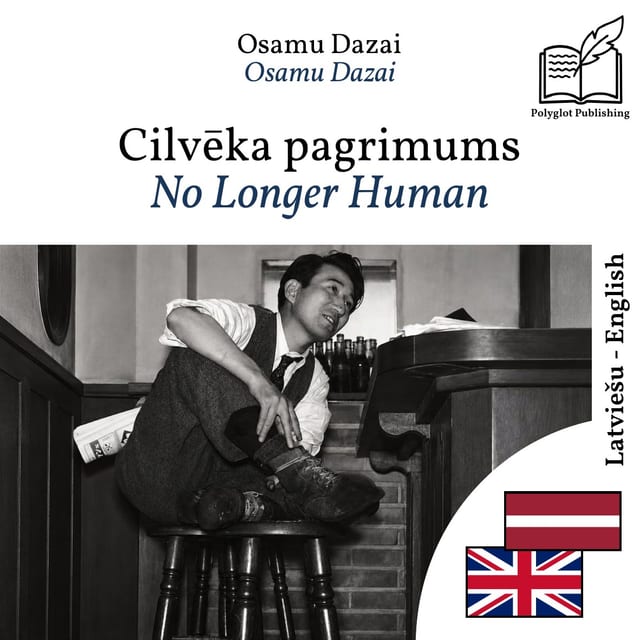
এক মানুষের অধঃপতন
ওসামু দাজাই
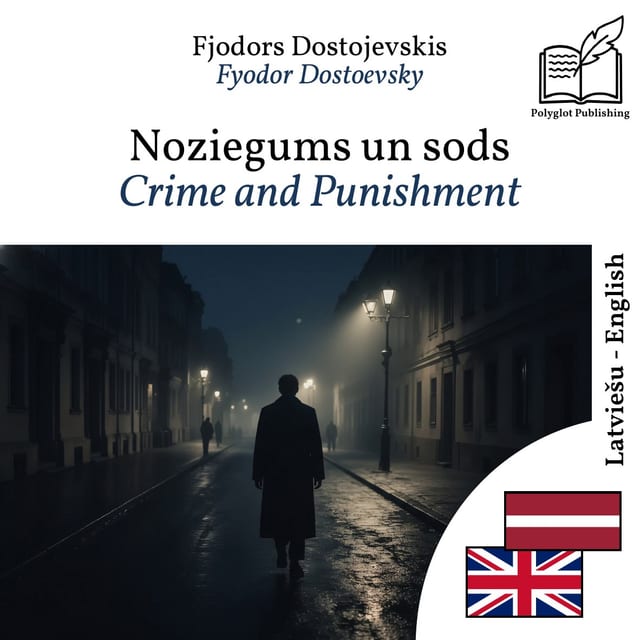
অপরাধ ও শাস্তি
ফিওদর দস্তয়েভস্কি

ইমলেকে প্রেমপত্র
মেরি উলস্টোনক্রাফট

কারমেন
প্রস্পের মেরিমে
সাইটটি ঘুরে দেখুন
অন্যান্য ভাষা যা আপনি শিখতে পারেন
- ইংরেজি
- ফরাসি
- স্প্যানিশ
- জার্মান
- ইতালীয়
- রুশ
- আরবি
- বুলগেরিয়
- কাতালান
- চেক
- ডেনিশ
- গ্রিক
- এস্পেরান্তো
- এস্তোনীয়
- ফার্সি
- ফিনিশ
- হিব্রু
- হিন্দি
- ক্রোয়েশীয়
- হাঙ্গেরীয়
- ইন্দোনেশীয়
- জাপানি
- কাজাখ
- কোরিয়ান
- লিথুয়ানীয়
- লাটভিয়
- ওলন্দাজ
- নরওয়েজীয়
- পোলিশ
- পর্তুগিজ
- পর্তুগিজ (ব্রাজিল)
- রোমানীয়
- সার্বীয় (ল্যাটিন)
- সার্বীয় (সিরিলিক)
- স্লোভাক
- স্লোভেনীয়
- সুইডিশ
- সোয়াহিলি
- তুর্কি
- ইউক্রেনীয়
- ভিয়েতনামী
- চীনা
- চীনা (তাইওয়ান)