H. P. Lovecraft
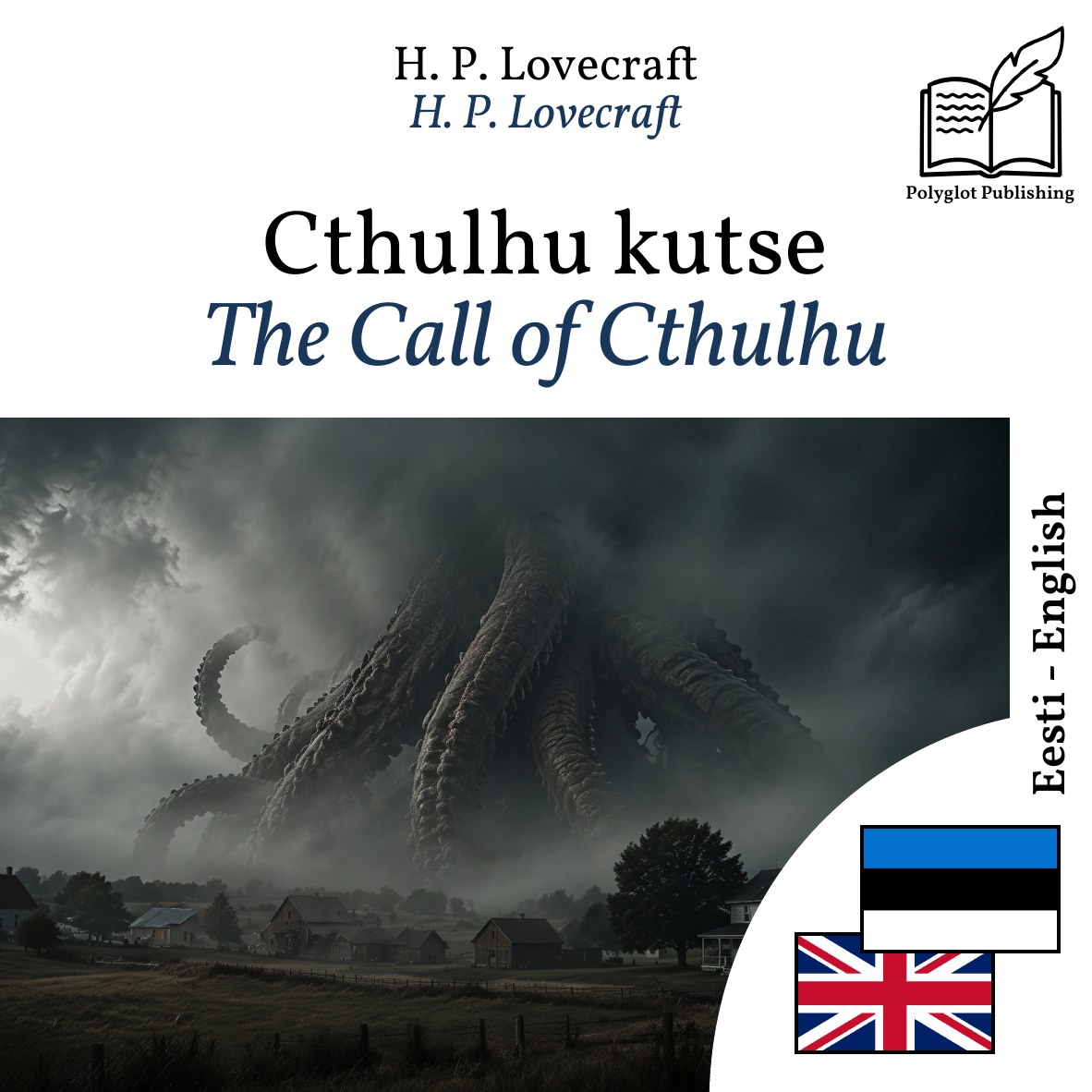
La crida de Cthulhu
Llibre en paper: 13,99 €
Digital: 3,99 €
- Publicació original
- 1928
- Edició bilingüe
- 12 de juny del 2026
- Pàgines
- 77
- Dificultat
- ★★☆
- Gèneres
- Terror, Ciència-ficció
- Traduït del
- anglès
Resum del llibre
Fragment
Cada passatge en la llengua que aprens, amb la traducció just a sota.
„Sellistest suurtest jõududest või olenditest võib mõeldavasti olla säilinud midagi ...
“Of such great powers or beings there may be conceivably a survival ...
jäänuk määratult kaugest ajastust, mil ...
a survival of a hugely remote period when ...
teadvus avaldus,
consciousness was manifested,
võib-olla,
perhaps,
kujudes ja vormides, mis on ammu taandunud pealetungiva inimkonna tõusulaine eest ...
in shapes and forms long since withdrawn before the tide of advancing humanity ...
vormides, millest üksnes luule ja legend on tabanud põgusa mälestuse ning nimetanud neid jumalateks,
forms of which poetry and legend alone have caught a flying memory and called them gods,
koletisteks,
monsters,
igat liiki ja laadi müütilisteks olenditeks....“
mythical beings of all sorts and kinds....”
—Algernon Blackwood.
—Algernon Blackwood.
1.
1.
Õudus savis.
The Horror in Clay.
Kõige armulisem asi maailmas on minu meelest inimmõistuse võimetus oma sisu kõiki osi omavahel seostada.
The most merciful thing in the world,
Ma arvan,
I think,
et see on nii.
is the inability of the human mind to correlate all its contents.
Me elame rahulikul teadmatuse saarel keset lõpmatuse musti meresid,
We live on a placid island of ignorance in the midst of black seas of infinity,
ja meile pole määratud kaugele purjetada.
and it was not meant that we should voyage far.
Teadused,
The sciences,
igaüks omas suunas rühkides,
each straining in its own direction,
on meile seni vähe kahju teinud;
have hitherto harmed us little;
kuid ühel päeval avab lahkuolevate teadmiste kokkuliitmine niisugused hirmuäratavad vaated tegelikkusele
but some day the piecing together of dissociated knowledge will open up such terrifying vistas of reality,
ja meie jubedale asendile selles,
and of our frightful position therein,
et me kas läheme sellest ilmutusest hulluks või põgeneme surmava valguse eest uue pimeda ajastu rahusse ja turvalisusse.
that we shall either go mad from the revelation or flee from the deadly light into the peace and safety of a new dark age.
Teosoofid on aimanud kosmilise tsükli aukartust äratavat suursugusust, milles meie maailm ja inimsugu moodustavad üksnes mööduvaid juhtumeid.
Theosophists have guessed at the awesome grandeur of the cosmic cycle wherein our world and human race form transient incidents.
Nad on vihjanud kummalistele ellujäänutele sõnadega, mis paneksid vere tarduma, kui neid ei varjaks lahke optimism.
They have hinted at strange survivals in terms which would freeze the blood if not masked by a bland optimism.
Ent mitte neilt ei tulnud see ainus pilguheit keelatud aeoonidesse, mis külmetab mind, kui ma sellele mõtlen, ja ajab hulluks, kui ma sellest unes näen.
But it is not from them that there came the single glimpse of forbidden eons which chills me when I think of it and maddens me when I dream of it.
See pilguheit,
That glimpse,
nagu kõik tõe kohutavad pilguheited,
like all dread glimpses of truth,
sähvatas juhuslikust lahkuolevate asjade kokkuliitmisest —
flashed out from an accidental piecing together of separated things —
antud juhul vana ajalehenupu ja surnud professori märkmete omast.
in this case an old newspaper item and the notes of a dead professor.
Ma loodan, et keegi teine seda kokkuliitmist ei soorita;
I hope that no one else will accomplish this piecing out;
kindel on,
certainly,
et kui ma elama jään,
if I live,
ei anna ma teadlikult kunagi ühtki lüli nii jälgi ahelasse.
I shall never knowingly supply a link in so hideous a chain.
Ma arvan, et ka professor
I think that the professor,
kavatses
too,
vaikida selle osa suhtes, mida ta teadis,
intended to keep silent regarding the part he knew,
ning et ta oleks oma märkmed hävitanud, kui teda poleks tabanud äkksurm.
and that he would have destroyed his notes had not sudden death seized him.
La trama

L'univers del llibre

L'autor

Els avantatges del mètode bilingüe amb la presentació Sincronitzat línia per línia
Cada línia de l'original té la seva traducció just a sota, a la mateixa alçada. No has de buscar mai on ets: l'ull baixa un graó i retroba exactament la frase que acaba de llegir. És la disposició que permet començar un llibre en una llengua que domines poc sense perdre mai el fil, i comparar els dos textos gairebé mot per mot.
Llibres semblants
La casa maleïda
H. P. Lovecraft
A les muntanyes de la follia
H. P. Lovecraft
Dràcula
Bram Stoker

L'illa del doctor Moreau
H. G. Wells
El rei de groc
Robert W. Chambers

Contes de metamorfosi
Donn Byrne
El ratolí verd
Robert W. Chambers
El doctor Jekyll i el senyor Hyde
Robert Louis Stevenson

Frankenstein
Mary Shelley
El fantasma de Canterville
Oscar Wilde
La llegenda de Sleepy Hollow
Washington Irving
La guerra dels mons
H. G. Wells
El dia del judici
Robert Cromie
L'Horla
Guy de Maupassant
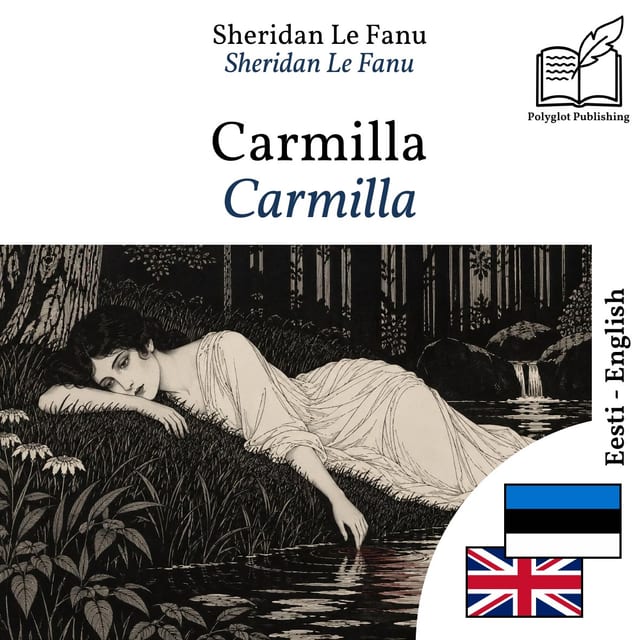
Carmilla
Sheridan Le Fanu
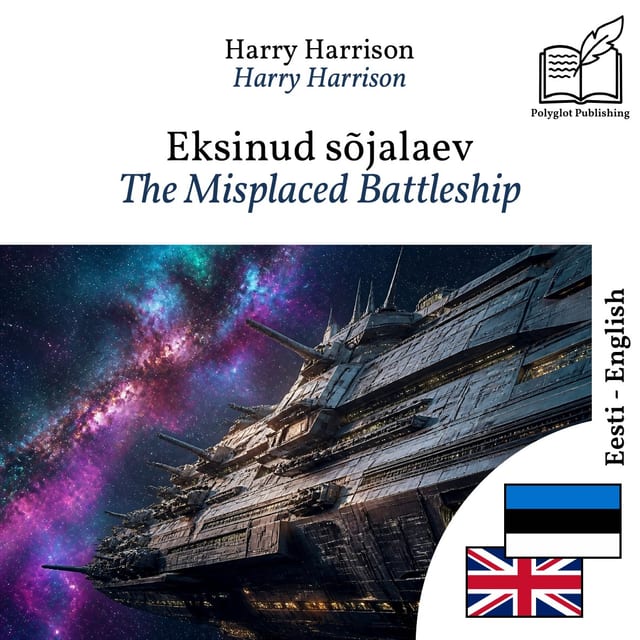
El cuirassat extraviat
Harry Harrison
Explora el lloc
Altres idiomes que pots aprendre
- anglès
- francès
- espanyol
- alemany
- italià
- rus
- àrab
- búlgar
- bengalí
- txec
- danès
- grec
- esperanto
- estonià
- persa
- finès
- hebreu
- hindi
- croat
- hongarès
- indonesi
- japonès
- kazakh
- coreà
- lituà
- letó
- neerlandès
- noruec
- polonès
- portuguès
- portuguès del Brasil
- romanès
- serbi (llatí)
- serbi (ciríl·lic)
- eslovac
- eslovè
- suec
- suahili
- turc
- ucraïnès
- vietnamita
- xinès
- xinès (Taiwan)