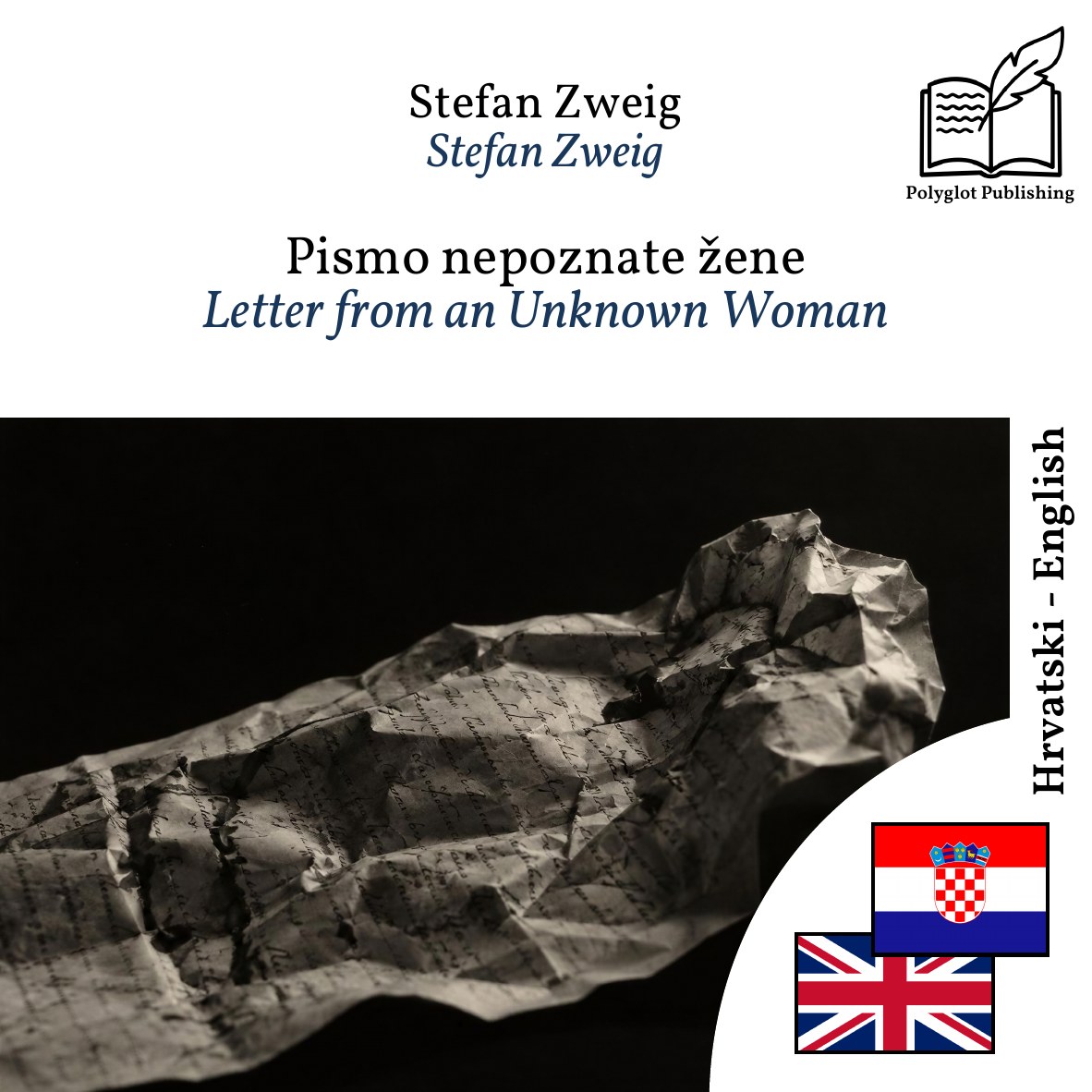
Stefan Zweig
Tundmatu naise kiri
Paberraamat: 17,99 €
Digitaalne: 5,99 €
- Originaalväljaanne
- 1922
- Leheküljed
- 97
- Raskusaste
- ★★☆
- Žanrid
- Romantika, Psühholoogia
- Tõlgitud
- saksa
Raamatu kokkuvõte
Katkend
Iga lõik õpitavas keeles, tõlge kohe selle all.
Kad se poznati romanopisac R. rano ujutro vratio u Beč s trodnevnog osvježavajućeg izleta u planine i na kolodvoru kupio novine, tek što je preletio pogledom datum, prisjetio se da mu je danas rođendan. Četrdeset prvi, brzo se dosjetio, i ta ga spoznaja nije ni obradovala ni ražalostila. Letimice je prelistao šuškave stranice novina i unajmljenim automobilom odvezao se u svoj stan. Sluga mu je javio za dva posjeta i nekoliko telefonskih poziva za vrijeme njegove odsutnosti te mu na pladnju donio pristiglu poštu. Nehajno je pregledao što je stiglo, razderao nekoliko omotnica čiji su ga pošiljatelji zanimali; pismo koje je nosilo nepoznat rukopis i činilo se preopsežnim zasad je odložio u stranu. U međuvremenu bio je poslužen čaj; udobno se zavalio u naslonjač, još jednom prelistao novine i nekoliko tiskanica; zatim je zapalio cigaru i sada posegnuo za odloženim pismom.
When the well-known novelist R. returned to Vienna early one morning from a refreshing three-day excursion into the mountains and bought a newspaper at the station, he had barely glanced at the date before he was reminded that today was his birthday. His forty-first, he quickly reflected, and the realisation neither pleased nor pained him. He leafed hastily through the crackling pages of the newspaper and took a hired motor car to his flat. The manservant reported two visitors and several telephone calls during his absence and brought him the accumulated post on a tray. He looked idly through the letters and tore open a few envelopes whose senders interested him; one letter, addressed in an unfamiliar hand and seemingly too bulky, he pushed aside for the time being. Meanwhile tea had been served; he leaned back comfortably in his armchair, leafed once more through the newspaper and some printed matter; then he lit a cigar and at last reached for the letter he had set aside.
Bilo je to dvadesetak i više na brzinu ispisanih stranica nepoznatim, nemirnim ženskim rukopisom, više manuskript nego pismo. Nehotice je još jednom opipao omotnicu, nije li u njoj zaboravljeno kakvo popratno pismo. No omotnica je bila prazna i, kao ni sami listovi, nije nosila ni adresu pošiljatelja ni potpis. Čudno, pomislio je i ponovno uzeo pismo u ruke. „Tebi, koji me nikad nisi poznavao“, stajalo je gore kao obraćanje, kao naslov. Začuđen, zastao je: je li to bilo namijenjeno njemu ili nekom zamišljenom čovjeku? Znatiželja mu se odjednom probudila. I počeo je čitati:
It consisted of some two dozen hastily written pages in an unfamiliar, restless woman’s hand, a manuscript rather than a letter. Involuntarily he felt the envelope once more, in case a covering note had been left inside. But the envelope was empty and, like the pages themselves, bore neither a sender’s address nor a signature. Strange, he thought, and took up the letter again. “To you, who never knew me” stood at the top, as a salutation, as a heading. He paused in astonishment: was this meant for him, or for some imagined person? His curiosity was suddenly aroused. And he began to read:
*
*
Moje je dijete jučer umrlo – tri dana i tri noći borila sam se sa smrću za taj mali, nježni život, četrdeset sati sjedila sam uz njegov krevet dok mu je gripa tresla jadno, vrelo tijelo u groznici. Stavljala sam hladne obloge na njegovo užareno čelo, držala sam njegove nemirne ručice danju i noću. Treće večeri sam se slomila. Oči mi više nisu mogle, sklopile su se a da to nisam ni primijetila. Tri ili četiri sata spavala sam na tvrdom stolcu, a u međuvremenu ga je smrt odnijela. Sada leži ondje, slatki, jadni dječak, u svom uskom dječjem krevetu, baš onakav kakav je umro; samo su mu oči zatvorili, njegove pametne, tamne oči, ruke su mu sklopili na bijeloj košulji, a četiri svijeće gore visoko na četiri ugla kreveta. Ne usuđujem se pogledati, ne usuđujem se maknuti, jer kad zatrepere, svijeće, sjene preleću preko njegova lica i zatvorenih usta, i tada se čini kao da mu se crte lica miču, i mogla bih pomisliti da nije mrtav, da će se ponovno probuditi i svojim jasnim glasom reći mi nešto djetinje nježno. Ali znam, mrtav je, ne želim više gledati, da se ne bih još jednom ponadala, da se ne bih još jednom razočarala. Znam, znam, moje je dijete jučer umrlo – sada na svijetu imam još samo Tebe, samo Tebe, koji o meni ništa ne znaš, koji se u međuvremenu ničega ne sluteći igraš ili poigravaš stvarima i ljudima. Samo Tebe, koji me nikad nisi poznavao i kojega sam uvijek voljela.
My child died yesterday – for three days and three nights I wrestled with death for this small, tender life; for forty hours I sat at his bedside while influenza shook his poor, burning body with fever. I laid cool cloths on his glowing forehead, I held his restless little hands day and night. On the third evening I collapsed. My eyes could do no more; they closed without my knowing it. For three or four hours I slept on the hard chair, and in the meantime death took him. Now he lies there, my sweet, poor boy, in his narrow little bed, just as he died; they have only closed his eyes, his clever, dark eyes, and folded his hands over his white shirt, and four candles burn tall at the four corners of the bed. I dare not look, I dare not stir, for when the candles flicker, shadows flit across his face and his closed mouth, and then it is as though his features moved, and I could almost believe that he is not dead, that he will wake again and say something tender and childlike to me in his clear voice. But I know it, he is dead; I will not look any more, so as not to hope once again, not to be disappointed once again. I know it, I know it, my child died yesterday – now I have only you left in the world, only you, who know nothing of me, who meanwhile are playing, unsuspecting, or trifling with things and people. Only you, who never knew me and whom I have always loved.
Sisu

Raamatu maailm

Autor

Kakskeelse meetodi eelised Rida realt sünkroniseeritud kuvaga
Igal originaali real on tõlge otse selle all, samal kõrgusel. Te ei pea kunagi otsima, kus te parajasti olete: silm laskub ühe rea võrra allapoole ja leiab täpselt selle lause, mille ta just luges. See on paigutus, mis lubab võtta ette raamatu keeles, mida valdate veel kehvasti, ilma et kaotaksite järge — ja kõrvutada kaht teksti pea sõna-sõnalt.
Sarnased raamatud
Kakskümmend neli tundi ühe naise elust
Stefan Zweig
Amok
Stefan Zweig

Vihurimäe
Emily Brontë

Üks naine
Alfred Ollivant

Madonna karusnahkses mantlis
Sabahattin Ali

Suured lootused
Charles Dickens
Jane Eyre
Charlotte Brontë
Maletaja
Stefan Zweig

Sikkude mägi
Alice Rice
Ann Veronica
H. G. Wells
Julm nagu haud
E. Southworth
Hirm
Stefan Zweig
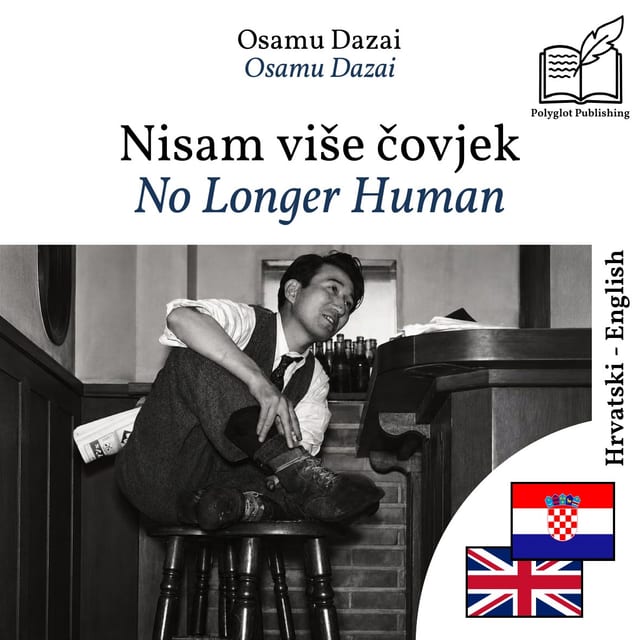
Inimese langus
Osamu Dazai
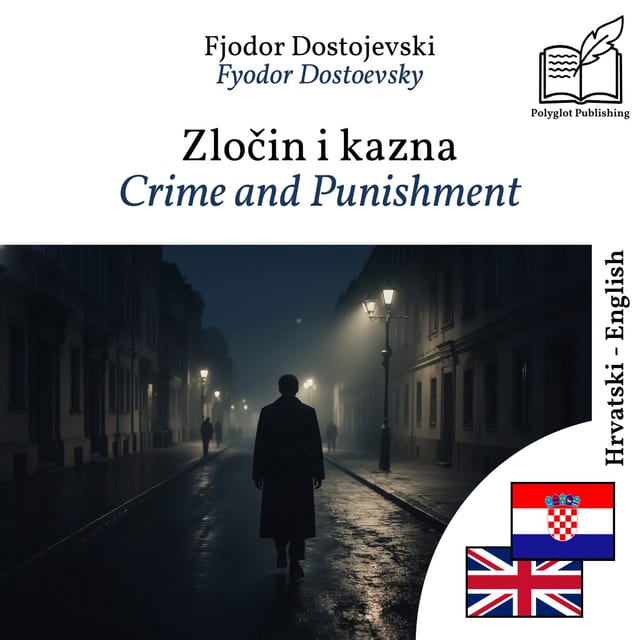
Kuritöö ja karistus
Fjodor Dostojevski
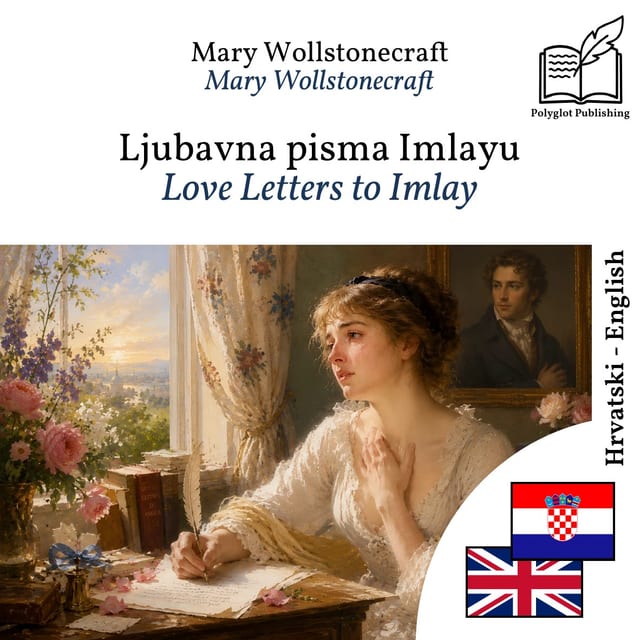
Armastuskirjad Imlayle
Mary Wollstonecraft
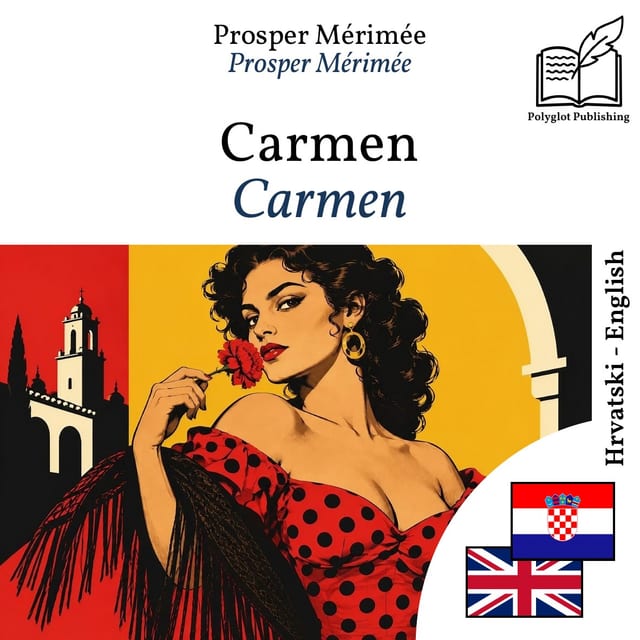
Carmen
Prosper Mérimée
Uuri saiti
Muud keeled, mida saate õppida
- inglise
- prantsuse
- hispaania
- saksa
- itaalia
- vene
- araabia
- bulgaaria
- bengali
- katalaani
- tšehhi
- taani
- kreeka
- esperanto
- pärsia
- soome
- heebrea
- hindi
- horvaadi
- ungari
- indoneesia
- jaapani
- kasahhi
- korea
- leedu
- läti
- hollandi
- norra
- poola
- portugali
- Brasiilia portugali
- rumeenia
- serbia (ladina)
- serbia (kirillitsa)
- slovaki
- sloveeni
- rootsi
- suahiili
- türgi
- ukraina
- vietnami
- hiina
- hiina (Taiwan)