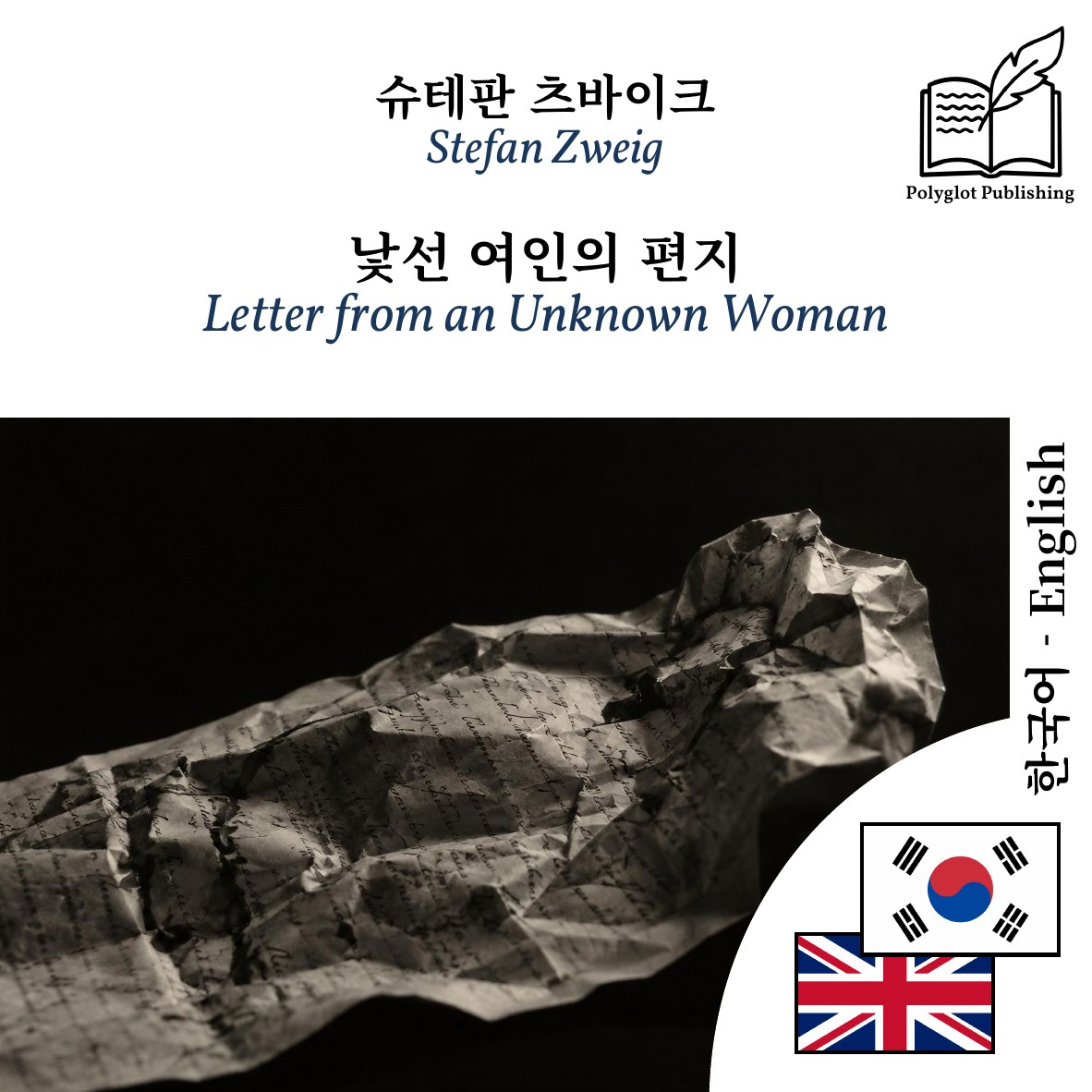
स्टेफ़ान ज़्वाइग
एक अनजान स्त्री का पत्र
छपी किताब: €17.99
डिजिटल: €5.99
- मूल प्रकाशन
- 1922
- पृष्ठ
- 97
- कठिनाई
- ★★☆
- विधाएं
- प्रेम कथा, मनोविज्ञान
- अनुवाद का स्रोत
- जर्मन
पुस्तक का सारांश
अंश
हर अंश उस भाषा में जो आप सीख रहे हैं, और उसका अनुवाद ठीक उसके नीचे।
저명한 소설가 R.이 사흘간의 상쾌한 산행을 마치고 이른 아침 빈으로 돌아와 역에서 신문을 한 부 샀을 때, 날짜를 훑어보자마자 오늘이 자신의 생일이라는 사실이 문득 떠올랐다. 마흔한 번째로군, 그는 재빨리 헤아려 보았지만, 그 사실은 그에게 기쁘지도 괴롭지도 않았다. 그는 바스락거리는 신문 지면을 건성으로 넘겨 보고는 택시를 타고 자기 집으로 향했다. 하인은 그가 집을 비운 동안 손님 두 사람이 다녀갔고 전화도 몇 통 왔었다고 알리며, 그동안 쌓인 우편물을 쟁반에 담아 내왔다. 그는 무심하게 우편물을 훑어보며 발신인이 눈길을 끄는 봉투 몇 개를 뜯었다. 낯선 필체로 적힌 데다 너무 두툼해 보이는 편지 한 통은 일단 옆으로 밀어 두었다. 그사이 차가 나왔다. 그는 안락의자에 편히 몸을 기댄 채 신문과 인쇄물 몇 가지를 다시 한번 훑어보았다. 그러고는 시가에 불을 붙이고, 밀어 두었던 그 편지를 마침내 집어 들었다.
When the well-known novelist R. returned to Vienna early one morning from a refreshing three-day excursion into the mountains and bought a newspaper at the station, he had barely glanced at the date before he was reminded that today was his birthday. His forty-first, he quickly reflected, and the realisation neither pleased nor pained him. He leafed hastily through the crackling pages of the newspaper and took a hired motor car to his flat. The manservant reported two visitors and several telephone calls during his absence and brought him the accumulated post on a tray. He looked idly through the letters and tore open a few envelopes whose senders interested him; one letter, addressed in an unfamiliar hand and seemingly too bulky, he pushed aside for the time being. Meanwhile tea had been served; he leaned back comfortably in his armchair, leafed once more through the newspaper and some printed matter; then he lit a cigar and at last reached for the letter he had set aside.
낯설고 불안정한 여자의 필체로 급히 써 내려간 스물네 장 남짓한 종이였는데, 편지라기보다는 차라리 원고에 가까웠다. 그는 무심코 봉투를 다시 한번 더듬어 보았다. 혹시 동봉한 쪽지가 안에 남아 있지 않을까 해서였다. 그러나 봉투는 비어 있었고, 종이들과 마찬가지로 봉투에도 발신인의 주소나 서명은 적혀 있지 않았다. 이상한 일이군, 그는 생각하며 편지를 다시 손에 들었다. “나를 한 번도 알지 못했던 당신에게”라고, 맨 위에 부르는 말처럼, 제목처럼 적혀 있었다. 그는 의아해하며 멈칫했다. 이것이 그에게 하는 말일까, 아니면 꿈속에서 그려 낸 누군가에게 하는 말일까? 갑자기 호기심이 일었다. 그리고 그는 읽기 시작했다.
It consisted of some two dozen hastily written pages in an unfamiliar, restless woman’s hand, a manuscript rather than a letter. Involuntarily he felt the envelope once more, in case a covering note had been left inside. But the envelope was empty and, like the pages themselves, bore neither a sender’s address nor a signature. Strange, he thought, and took up the letter again. “To you, who never knew me” stood at the top, as a salutation, as a heading. He paused in astonishment: was this meant for him, or for some imagined person? His curiosity was suddenly aroused. And he began to read:
*
*
내 아이가 어제 죽었습니다. 사흘 낮 사흘 밤 동안 나는 이 작고 여린 생명을 두고 죽음과 씨름했고, 독감이 그 가엾고 뜨거운 몸을 열로 뒤흔드는 동안 마흔 시간을 그 아이의 침대 곁에 앉아 있었습니다. 달아오른 이마를 식혀 주었고, 불안하게 움직이는 그 작은 손을 밤낮으로 붙잡고 있었습니다. 사흘째 저녁, 나는 쓰러지고 말았습니다. 눈이 더는 버티지 못하고 나도 모르는 사이에 감겨 버렸습니다. 딱딱한 의자에서 서너 시간을 잠들어 있었는데, 그사이에 죽음이 그 아이를 데려가 버렸습니다. 이제 그 아이는 저기, 좁은 아이 침대에 누워 있습니다. 사랑스럽고 가엾은 내 아들이, 죽은 모습 그대로. 다만 사람들이 그 눈을, 영리하고 까만 그 눈을 감겨 주었고, 하얀 셔츠 위로 두 손을 모아 주었을 뿐입니다. 그리고 침대 네 귀퉁이에서는 촛불 네 개가 높이 타오르고 있습니다. 나는 차마 그쪽을 바라보지 못하고, 차마 몸을 움직이지도 못합니다. 촛불이 흔들릴 때면 그림자가 아이의 얼굴과 다문 입술 위를 스쳐 가고, 그러면 꼭 그 얼굴이 움직이는 것만 같아서, 아이가 죽지 않았고 다시 깨어나 맑은 목소리로 어린아이다운 다정한 말을 내게 건넬 것만 같기 때문입니다. 하지만 나는 압니다. 아이는 죽었습니다. 다시는 희망을 품지 않기 위해, 다시는 실망하지 않기 위해 이제 더는 그쪽을 바라보지 않겠습니다. 나는 압니다, 나는 압니다, 내 아이는 어제 죽었습니다. 이제 이 세상에 내게 남은 것은 당신뿐입니다. 오직 당신, 나에 대해 아무것도 모르는 당신, 그사이에도 아무것도 모른 채 놀고 있거나 사물이며 사람들을 가볍게 희롱하고 있을 당신뿐입니다. 나를 한 번도 알지 못했던 당신, 내가 언제나 사랑했던 당신뿐입니다.
My child died yesterday – for three days and three nights I wrestled with death for this small, tender life; for forty hours I sat at his bedside while influenza shook his poor, burning body with fever. I laid cool cloths on his glowing forehead, I held his restless little hands day and night. On the third evening I collapsed. My eyes could do no more; they closed without my knowing it. For three or four hours I slept on the hard chair, and in the meantime death took him. Now he lies there, my sweet, poor boy, in his narrow little bed, just as he died; they have only closed his eyes, his clever, dark eyes, and folded his hands over his white shirt, and four candles burn tall at the four corners of the bed. I dare not look, I dare not stir, for when the candles flicker, shadows flit across his face and his closed mouth, and then it is as though his features moved, and I could almost believe that he is not dead, that he will wake again and say something tender and childlike to me in his clear voice. But I know it, he is dead; I will not look any more, so as not to hope once again, not to be disappointed once again. I know it, I know it, my child died yesterday – now I have only you left in the world, only you, who know nothing of me, who meanwhile are playing, unsuspecting, or trifling with things and people. Only you, who never knew me and whom I have always loved.
कथानक

पुस्तक की दुनिया

लेखक

पंक्ति-दर-पंक्ति समकालिक प्रारूप में द्विभाषी पद्धति के लाभ
मूल भाषा की हर पंक्ति के ठीक नीचे, उसी ऊँचाई पर उसका अनुवाद। आपको कभी ढूँढ़ना नहीं पड़ता कि आप कहाँ थे — नज़र एक पंक्ति नीचे उतरती है और वही वाक्य सामने आ जाता है जो आपने अभी पढ़ा। जिस भाषा पर पकड़ अभी कमज़ोर है, उसमें पूरी किताब पढ़ना इसी सज्जा से संभव होता है, बिना कड़ी टूटे, और दोनों पाठों की लगभग शब्द-दर-शब्द तुलना भी।
मिलती-जुलती किताबें
एक स्त्री के जीवन के चौबीस घंटे
स्टेफ़ान ज़्वाइग
आमोक
स्टेफ़ान ज़्वाइग

वुदरिंग हाइट्स
एमिली ब्रॉन्टे

एक स्त्री
अल्फ्रेड ऑलिवेंट

फ़र कोट में मैडोना
सबाहत्तिन अली

महान संभावनाएँ
चार्ल्स डिकेंस
जेन आयर
शार्लट ब्रॉन्टे
शतरंज की कहानी
स्टेफ़ान ज़्वाइग
बिली गोट हिल
एलिस राइस
ऐन वेरोनिका
एच. जी. वेल्स
कब्र जैसी निर्दयी
ई. साउथवर्थ
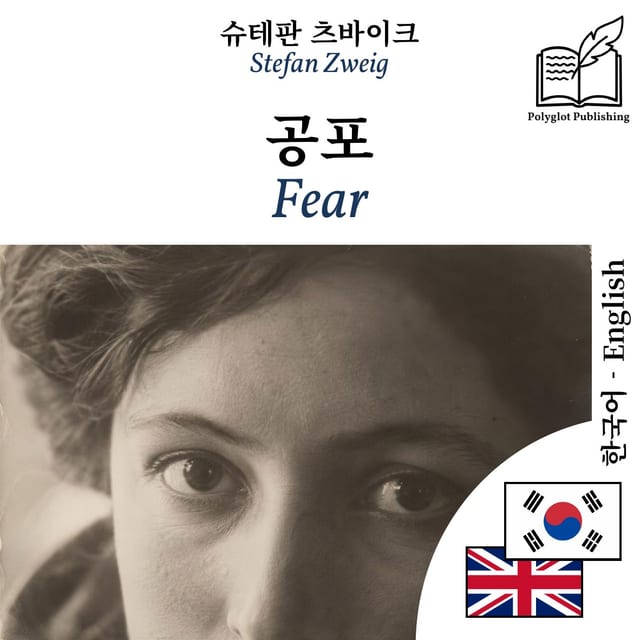
भय
स्टेफ़ान ज़्वाइग
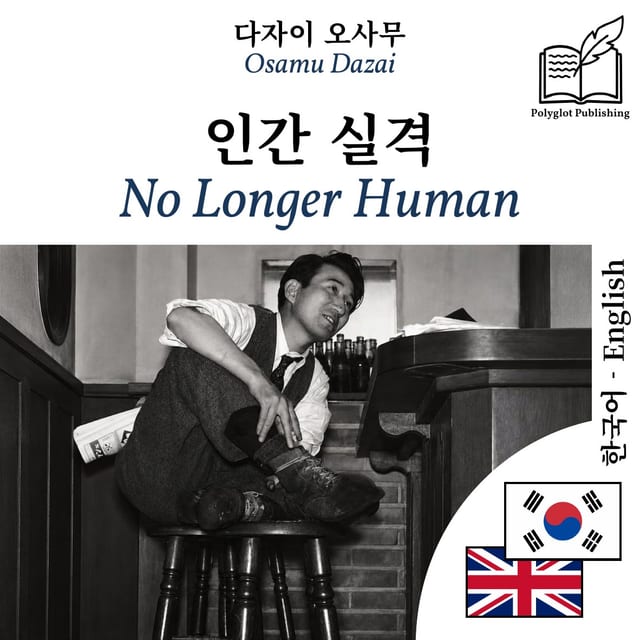
एक मनुष्य का पतन
ओसामु दज़ाई
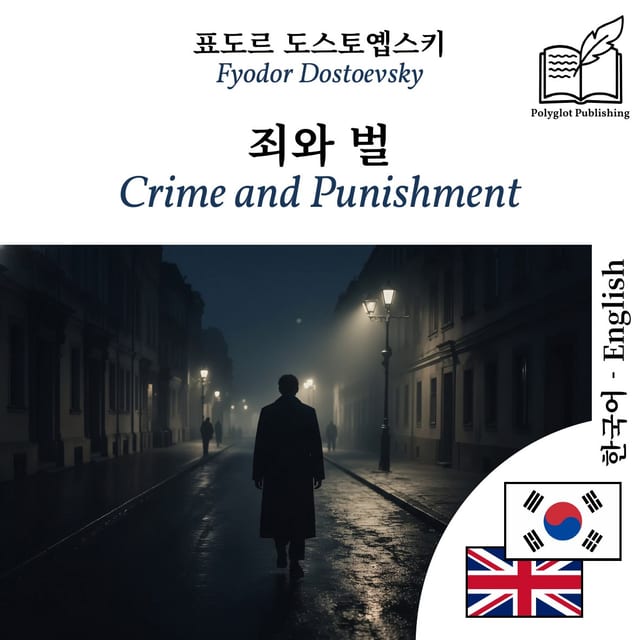
अपराध और दंड
फ़्योदोर दोस्तोयेव्स्की

इमले को प्रेम पत्र
मैरी वोल्स्टनक्राफ्ट
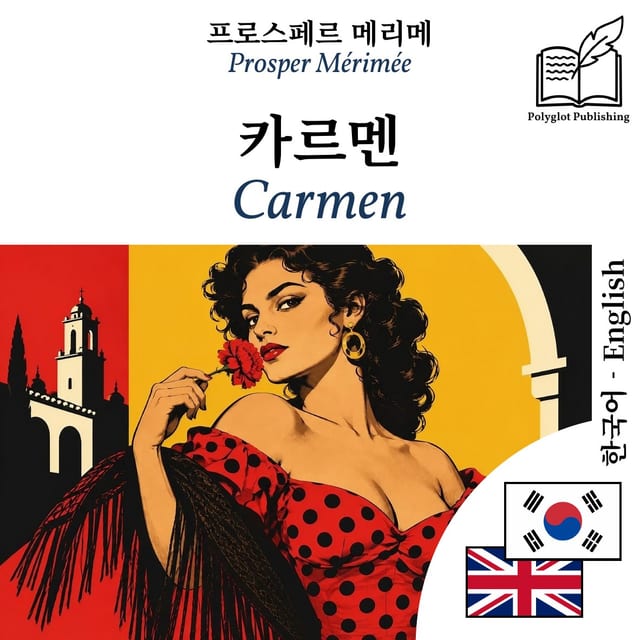
कारमेन
प्रोस्पेर मेरिमे
साइट देखें
अन्य भाषाएँ जो आप सीख सकते हैं
- अंग्रेज़ी
- फ़्रेंच
- स्पेनिश
- जर्मन
- इतालवी
- रूसी
- अरबी
- बुल्गारियाई
- बंगाली
- कातालान
- चेक
- डेनिश
- यूनानी
- एस्पेरेंतो
- एस्टोनियाई
- फ़ारसी
- फ़िनिश
- हिब्रू
- क्रोएशियाई
- हंगेरियाई
- इंडोनेशियाई
- जापानी
- कज़ाख़
- कोरियाई
- लिथुआनियाई
- लातवियाई
- डच
- नॉर्वेजियाई
- पोलिश
- पुर्तगाली
- ब्राज़ीली पुर्तगाली
- रोमानियाई
- सर्बियाई (लैटिन)
- सर्बियाई (सिरिलिक)
- स्लोवाक
- स्लोवेनियाई
- स्वीडिश
- स्वाहिली
- तुर्की
- यूक्रेनियाई
- वियतनामी
- चीनी
- चीनी (ताइवान)