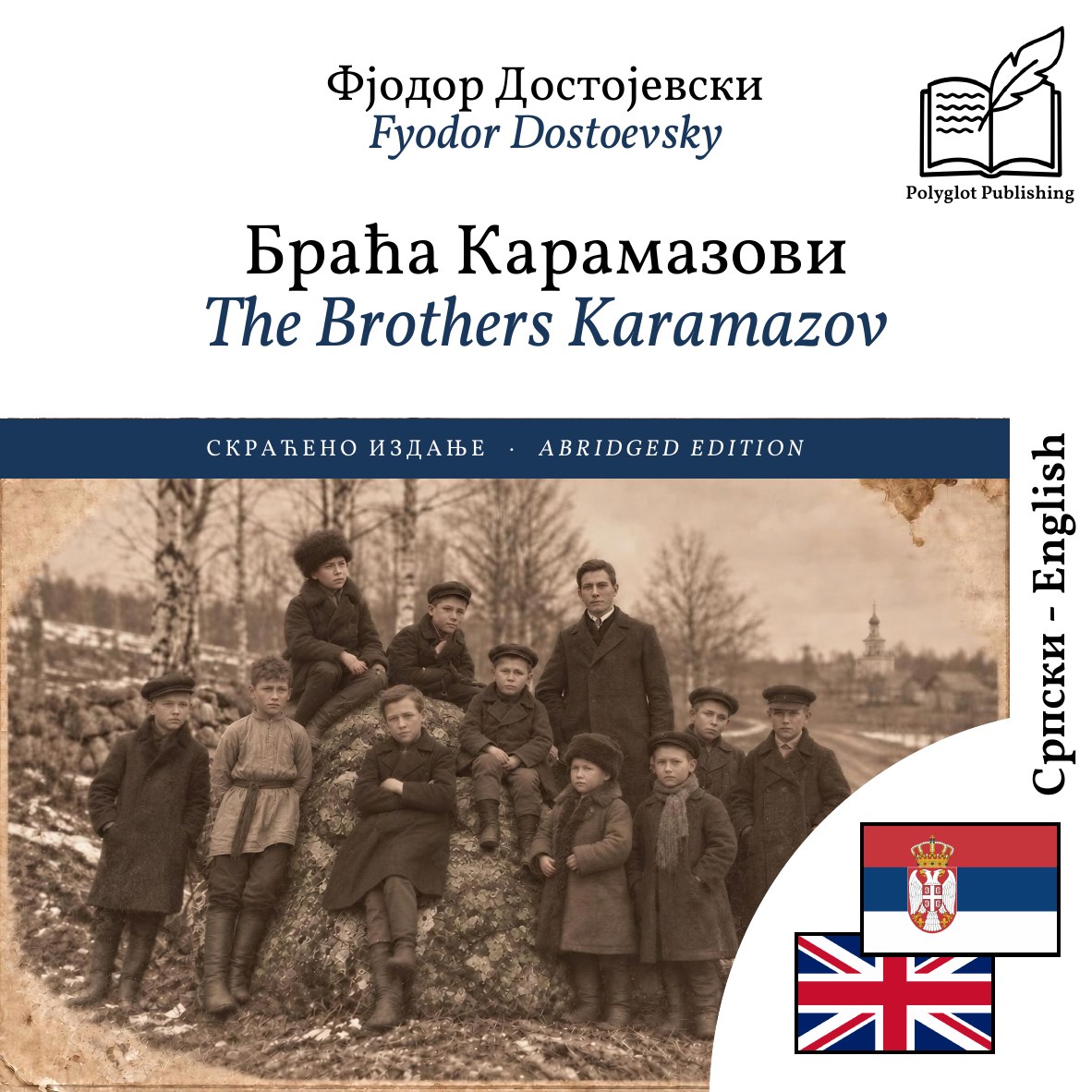
फ़्योदोर दोस्तोयेव्स्की
कारामाज़ोव भाई
छपी किताब: €39.99
डिजिटल: €15.99
- मूल प्रकाशन
- 1880
- पृष्ठ
- 439
- कठिनाई
- ★★★
- विधाएं
- दर्शन, मनोविज्ञान
- अनुवाद का स्रोत
- रूसी
पुस्तक का सारांश
अंश
हर अंश उस भाषा में जो आप सीख रहे हैं, और उसका अनुवाद ठीक उसके नीचे।
[Фјодор Павлович Карамазов, сиротни спахија, лакрдијаш и сладострасник, био је двапут ожењен и све своје синове оставио на милост и немилост судбине. Најстаријег, Дмитрија, сина од прве жене, подизали су слуга Григорије и мајчина родбина; Иван и Алексеј, синови од друге жене, одрасли су код туђих доброчинитеља. После много година сва тројица се слију у родни град.]
[Fyodor Pavlovich Karamazov, a petty landowner, a buffoon and a sensualist, was twice married and abandoned all his sons to the mercy of fate. The eldest, Dmitri, the son of his first wife, was brought up by the servant Grigory and by his mother’s relations; Ivan and Alexei, the sons of his second wife, grew up among strangers who took them in out of charity. Many years later all three come together in their native town.]
IV. Трећи син Аљоша
IV. The Third Son, Alyosha
Било му је тада свега двадесет година (његовом брату Ивану текла је тада двадесет четврта, а њиховом најстаријем брату, Дмитрију, двадесет осма). Пре свега изјављујем да овај младић, Аљоша, нипошто није био фанатик, а по мом мишљењу, најмање од свега чак ни мистик. Рећи ћу унапред своје потпуно мишљење: био је он просто рани човекољубац, и ако је ударио монашким путем, то је било само зато што га је у оно време једино тај пут задивио и указао му, такорећи, идеал излаза за његову душу, која се из мрака овоземаљске злобе отимала ка светлости љубави. А задивио га је тај пут само зато што је на њему тада срео необично, по његовом мишљењу, створење – нашег знаменитог манастирског старца Зосиму, за кога се привезао свом жарком првом љубављу свог неутољивог срца. Уосталом, не спорим да је он и тада већ био веома чудан, још од саме колевке. Уз то, већ сам о њему помињао да је, изгубивши мајку тек у четвртој годинци, запамтио њу потом за читав живот, њено лице, њена миловања, „баш као да стоји предамном жива“. Такве успомене могу се памтити (а то је свима познато) чак и из млађег доба, чак и из друге године, али само тако што се целог живота издвајају као неке светле точке из мрака, као неки исцепани угао огромне слике, која се сва угасила и ишчезла, осим тог једног јединог угленца. Тако је тачно било и с њим: запамтио је једну вечер, летњу, тиху, отворено окно, косе зраке сунца на заласку (ти коси зраци најдуже су му и остали у памћењу), у соби у углу икону, пред њом упаљено кандило, а пред иконом на коленима своју мајку, која је јецала као у хистерији, с цијукањем и крицима, ухватила га обема рукама, стиснула у наручје до бола и молила за њега Богородицу, и пружала га из свог наручја обема рукама ка икони, као под покров Богородичин… и одједном утрчава дадиља и у страху му га отима из руку. Ето слике! Аљоша је запамтио у том трену и лице своје мајке: говорио је да је било избезумљено, али прекрасно, судећи по томе колико се могао сетити. Али је ретко коме волео поверавати ту успомену. У детињству и младости био је мало експанзиван и чак мало разговоран, али не из неповерења, не из плашљивости или мрачне нељудскости, чак сасвим напротив, него од нечег другог, од неке као унутрашње бриге, сасвим личне, која се других није тицала, али за њега тако важне да је због ње као заборављао друге. А људе је волео: он је, изгледало је, читав живот живео потпуно верујући у људе, а међутим никада га нико није сматрао ни простаком ни наивним човеком. Било је у њему нечег што је говорило и уливало уверење (па и целог живота потом) да он не жели да буде судија људима, да неће хтети да на себе прими осуђивање и да никога ни за шта неће осудити. Изгледало је чак да све допушта, нимало не осуђујући, иако је често веома горко туговао. Мало од тога, у том смислу довде је дотерао да га нико није могао ни зачудити ни уплашити, и то још у самој најранијој својој младости. Дошавши у двадесетој године оцу, право у јазбину прљавог разврата, он је, чедан и чист, само ћутке одлазио када је гледати било неподношљиво, али без најмањег знака презира или осуђивања према коме било. А отац, који је некада био туђи изеда и стога човек осетљив и танак на увреду, у почетку га је с неповерењем и мрачно примио („много, каже, ћути и много у себи расуђује“), но ускоро је завршио тиме да је почео страшно често да га грли и целива, ни две недеље касније, истина с пијаним слезама, у пијаној осетљивости, али се видело да га је заволео искрено и дубоко, и то тако како никада, разуме се, таквоме као што је он, није било дато да икога воли…
He was only twenty at the time (his brother Ivan was then in his twenty-fourth year, and their eldest brother, Dmitri, in his twenty-eighth). First of all I declare that this youth, Alyosha, was by no means a fanatic, and, to my mind at least, not even in the least a mystic. I will state my full opinion beforehand: he was simply an early lover of mankind, and if he took to the monastic road, it was only because at that time it alone struck him and presented to him, so to speak, the ideal way out for his soul, which was straining out of the darkness of worldly malice towards the light of love. And that road struck him only because upon it he then met an extraordinary being, as he considered — our famous monastery elder Zosima, to whom he became attached with all the ardent first love of his unquenchable heart. Nevertheless, I do not dispute that he was even then already very strange, having been so from the very cradle. I have already mentioned of him, by the way, that, though he was left motherless in only his fourth year, he remembered her afterwards all his life, her face, her caresses, “exactly as though she were standing alive before me.” Such memories may be retained (as everyone knows) even from a still earlier age, even from the age of two, but they only emerge throughout one’s whole life like bright points out of the darkness, like a corner torn from an enormous picture which has all gone out and vanished, save for that one little corner. So it was precisely with him: he remembered one evening, a summer evening, still, the window open, the slanting rays of the setting sun (it was the slanting rays he remembered most of all), an ikon in the corner of the room, a lighted lamp before it, and before the ikon, on her knees, his mother, sobbing as though in hysterics, with shrieks and cries, who had seized him in both her arms, embracing him so tightly that it hurt, praying for him to the Mother of God and holding him out from her embrace with both hands towards the ikon, as though beneath the Mother of God’s protection… and suddenly the nurse runs in and snatches him from her in terror. What a picture! Alyosha remembered his mother’s face too at that moment: he used to say that it was frenzied, but beautiful, so far as he could recall it. But he rarely cared to confide this memory to anyone. In childhood and youth he was little given to expansiveness, and even little given to talk, yet not from mistrust, not from shyness or sullen unsociability — quite the contrary, indeed — but from something else, from a kind of inward preoccupation, strictly personal, which concerned no one else, but was so important to him that because of it he seemed to forget others. But he loved people: all his life, it seemed, he lived in complete faith in people, and yet no one ever thought him either a simpleton or a naïve man. There was something in him which told one, and impressed upon one (and did so all his life afterwards), that he did not wish to be a judge of men, that he would not take censure upon himself and would not condemn anyone for anything. It even seemed that he allowed everything, without condemning in the least, though often grieving very bitterly. More than that: in this respect he went so far that no one could either surprise him or frighten him, and this even in his earliest youth. Arriving in his twentieth year at his father’s, positively into a den of filthy debauchery, he, chaste and pure, would merely withdraw in silence when it was unbearable to look on, yet without the slightest air of contempt or condemnation towards anyone whatsoever. His father, who had once been a hanger-on and was therefore quick and delicate in sensing offence, at first met him mistrustfully and sullenly (“he is very silent, they say, and reasons a great deal to himself”), but soon ended, however, by embracing and kissing him terribly often, within no more than a couple of weeks — with drunken tears, it is true, and in maudlin sentimentality, but plainly having come to love him sincerely and deeply, and in a way such a man as he had, of course, never managed to love anyone…
कथानक

पुस्तक की दुनिया

लेखक

पंक्ति-दर-पंक्ति समकालिक प्रारूप में द्विभाषी पद्धति के लाभ
मूल भाषा की हर पंक्ति के ठीक नीचे, उसी ऊँचाई पर उसका अनुवाद। आपको कभी ढूँढ़ना नहीं पड़ता कि आप कहाँ थे — नज़र एक पंक्ति नीचे उतरती है और वही वाक्य सामने आ जाता है जो आपने अभी पढ़ा। जिस भाषा पर पकड़ अभी कमज़ोर है, उसमें पूरी किताब पढ़ना इसी सज्जा से संभव होता है, बिना कड़ी टूटे, और दोनों पाठों की लगभग शब्द-दर-शब्द तुलना भी।
मिलती-जुलती किताबें
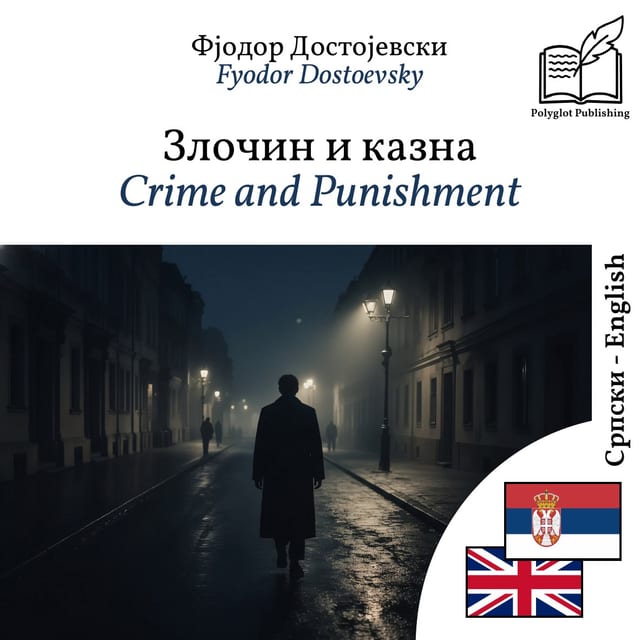
अपराध और दंड
फ़्योदोर दोस्तोयेव्स्की

मिसेज़ डेलोवे
वर्जीनिया वुल्फ़
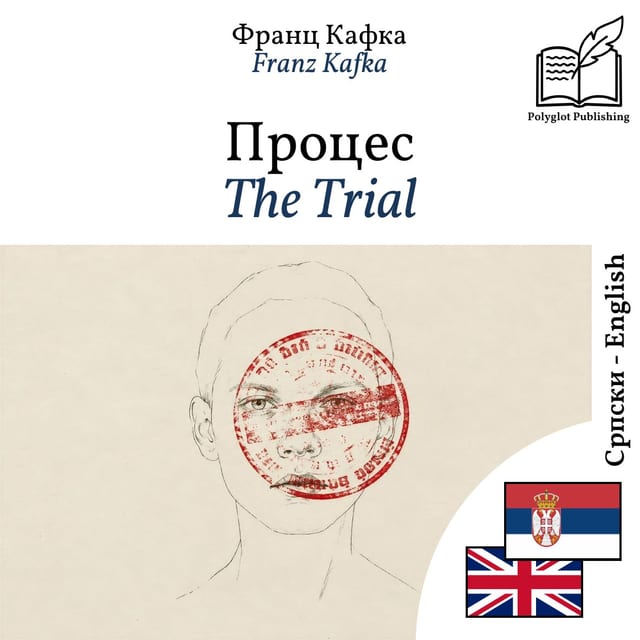
मुक़दमा
फ्रांज़ काफ़्का
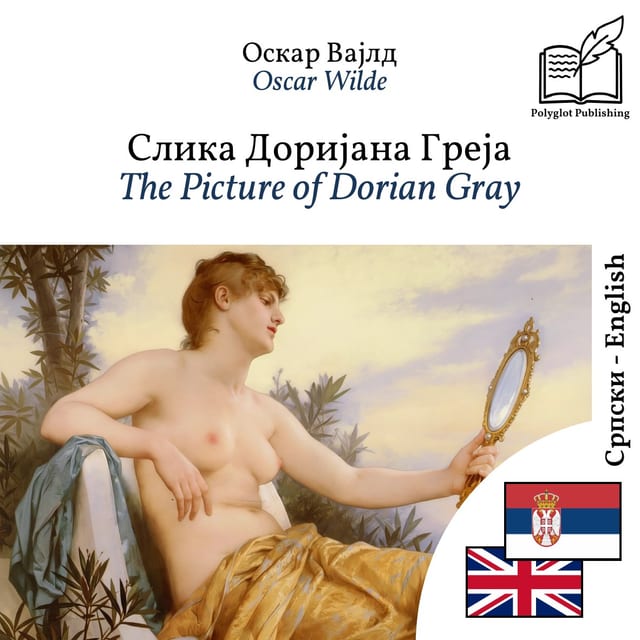
डोरियन ग्रे का चित्र
ऑस्कर वाइल्ड
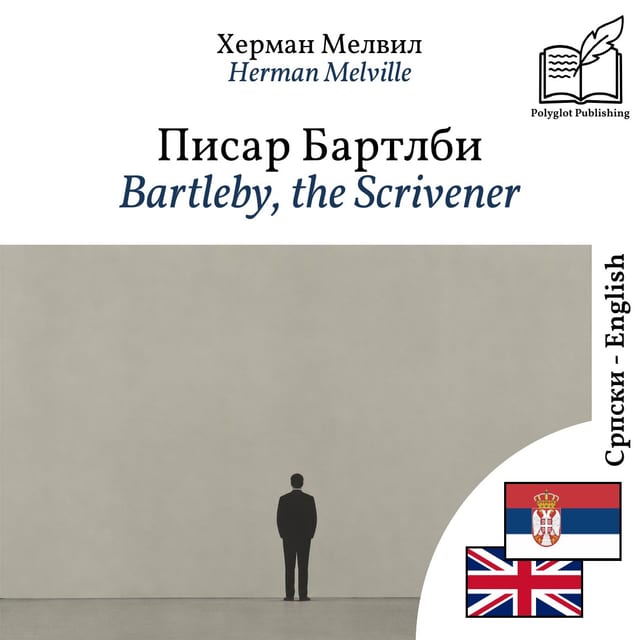
बार्टलबी, नक़लनवीस
हरमन मेलविल
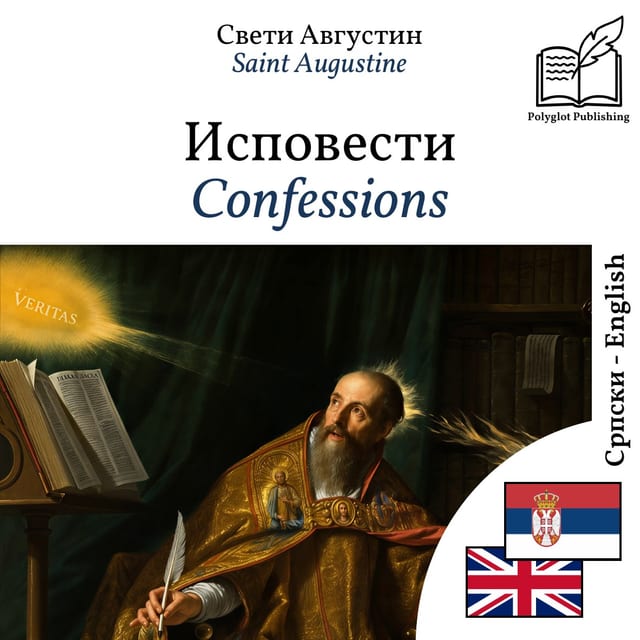
आत्मकथा (कन्फेशंस)
संत ऑगस्टीन
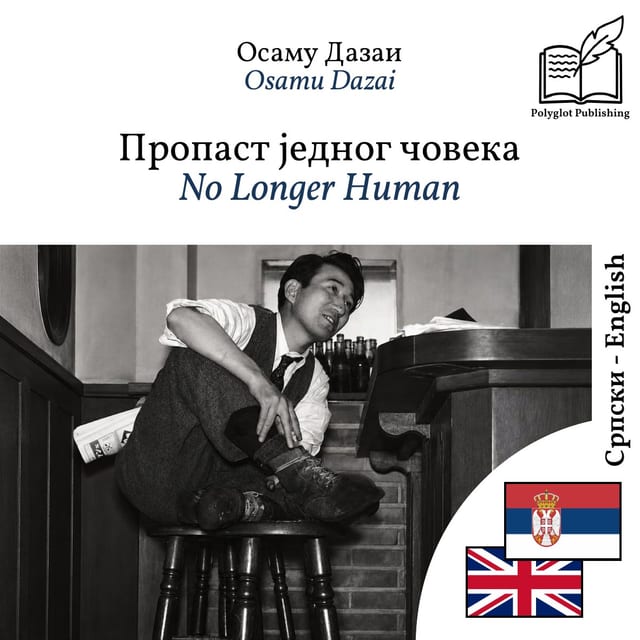
एक मनुष्य का पतन
ओसामु दज़ाई
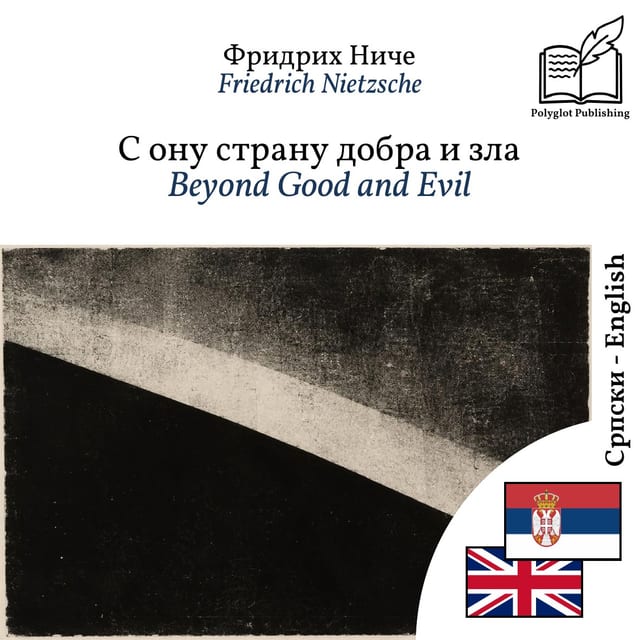
अच्छाई और बुराई के परे
फ्रेडरिक नीत्शे
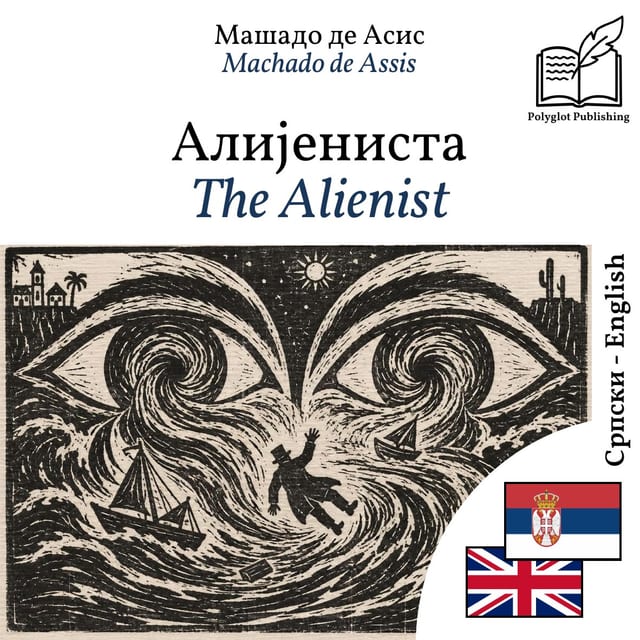
मनोचिकित्सक
मशादो दे असिस
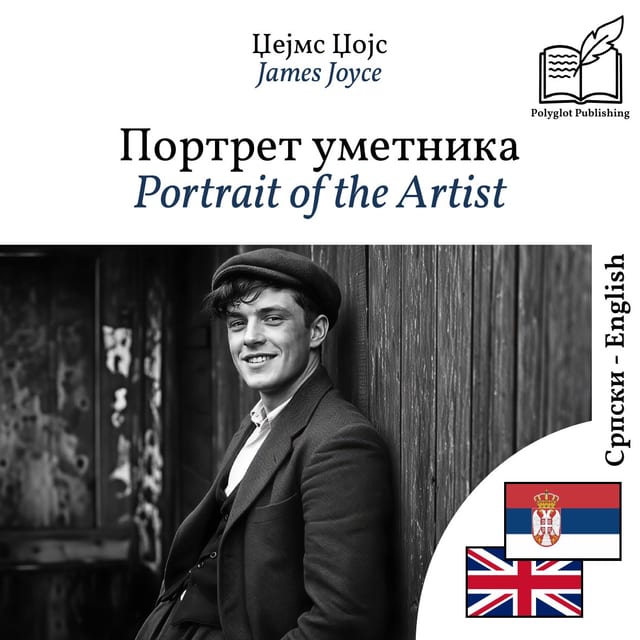
कलाकार का चित्र
जेम्स जॉयस
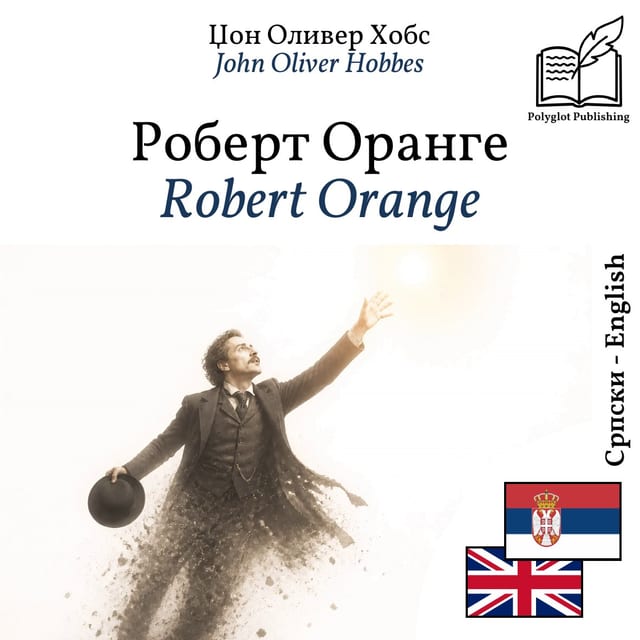
रॉबर्ट ऑरेंज
जॉन ओलिवर हॉब्स
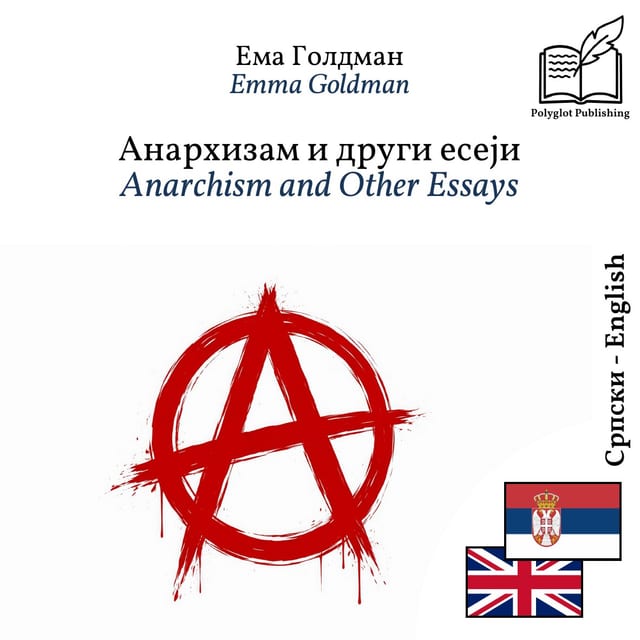
अराजकतावाद और अन्य निबंध
एम्मा गोल्डमैन

शाग्रीन की खाल
ओनोरे द बाल्ज़ाक
वाल्डेन
हेनरी थोरो

लाल लिली
अनातोले फ्रांस
फ्रेंकस्टीन
मैरी शेली
साइट देखें
अन्य भाषाएँ जो आप सीख सकते हैं
- अंग्रेज़ी
- फ़्रेंच
- स्पेनिश
- जर्मन
- इतालवी
- रूसी
- अरबी
- बुल्गारियाई
- बंगाली
- कातालान
- चेक
- डेनिश
- यूनानी
- एस्पेरेंतो
- एस्टोनियाई
- फ़ारसी
- फ़िनिश
- हिब्रू
- क्रोएशियाई
- हंगेरियाई
- इंडोनेशियाई
- जापानी
- कज़ाख़
- कोरियाई
- लिथुआनियाई
- लातवियाई
- डच
- नॉर्वेजियाई
- पोलिश
- पुर्तगाली
- ब्राज़ीली पुर्तगाली
- रोमानियाई
- सर्बियाई (लैटिन)
- सर्बियाई (सिरिलिक)
- स्लोवाक
- स्लोवेनियाई
- स्वीडिश
- स्वाहिली
- तुर्की
- यूक्रेनियाई
- वियतनामी
- चीनी
- चीनी (ताइवान)