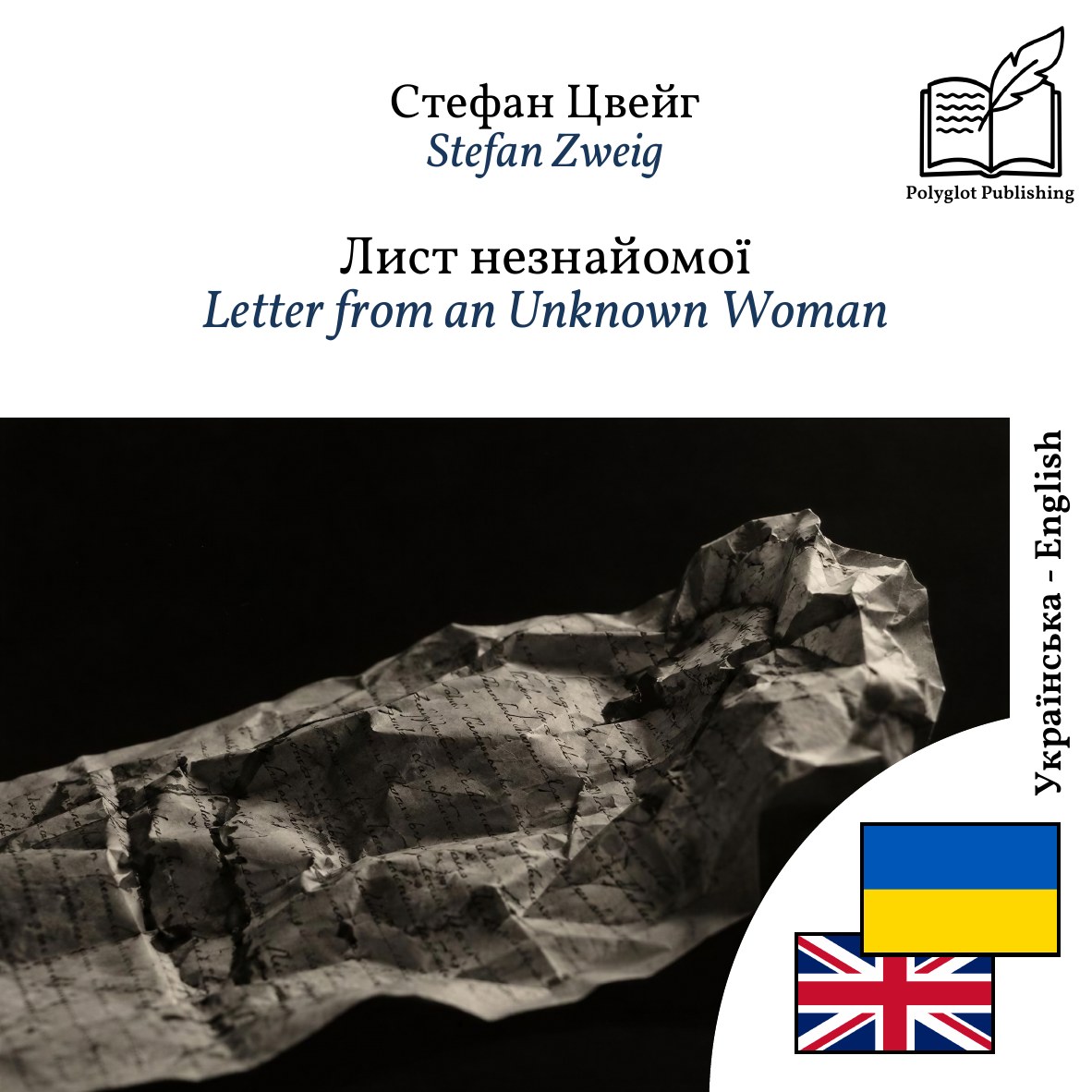
Stefan Zweig
List od nieznajomej
Książka papierowa: 17,99 €
Cyfrowy: 5,99 €
- Oryginalne wydanie
- 1922
- Strony
- 97
- Trudność
- ★★☆
- Gatunki
- Romans, Psychologia
- Przetłumaczono z
- niemiecki
Streszczenie książki
Fragment
Każdy fragment w języku, którego się uczysz, z tłumaczeniem tuż pod spodem.
Коли відомий романіст Р. рано-вранці повернувся до Відня з триденної освіжної мандрівки в гори і купив на вокзалі газету, він, ледве глянувши на дату, згадав, що сьогодні його день народження. Сорок перший, швидко подумав він, і цей висновок не викликав у ньому ні радості, ні смутку. Побіжно перегорнувши шелесткі сторінки газети, він поїхав найманим автомобілем додому. Слуга доповів, що за час його відсутності приходили двоє відвідувачів і кілька разів телефонували, і подав на таці пошту, що встигла накопичитися. Недбало переглянув він кореспонденцію, розірвав кілька конвертів, відправники яких його зацікавили; лист, надписаний незнайомим почерком, який здався йому надто об’ємним, він поки що відсунув убік. Тим часом подали чай; він зручно відкинувся у кріслі, ще раз переглянув газету й деякі друковані видання, потім запалив сигару і нарешті взяв відкладений лист.
When the well-known novelist R. returned to Vienna early one morning from a refreshing three-day excursion into the mountains and bought a newspaper at the station, he had barely glanced at the date before he was reminded that today was his birthday. His forty-first, he quickly reflected, and the realisation neither pleased nor pained him. He leafed hastily through the crackling pages of the newspaper and took a hired motor car to his flat. The manservant reported two visitors and several telephone calls during his absence and brought him the accumulated post on a tray. He looked idly through the letters and tore open a few envelopes whose senders interested him; one letter, addressed in an unfamiliar hand and seemingly too bulky, he pushed aside for the time being. Meanwhile tea had been served; he leaned back comfortably in his armchair, leafed once more through the newspaper and some printed matter; then he lit a cigar and at last reached for the letter he had set aside.
Це було зо дві дюжини сторінок, поспіхом списаних чужим, неспокійним жіночим почерком, — радше рукопис, ніж лист. Мимоволі він ще раз обмацав конверт, чи не лишився там забутий супровідний лист. Але конверт був порожній і, так само як і самі аркуші, не мав ні зворотної адреси, ні підпису. Дивно, подумав він і знову взяв листа до рук. «Тобі, хто мене ніколи не знав», — стояло вгорі як звертання, як заголовок. Здивовано він зупинився: чи це стосувалося його, чи якоїсь вимріяної людини? Його цікавість раптом прокинулася. І він почав читати:
It consisted of some two dozen hastily written pages in an unfamiliar, restless woman’s hand, a manuscript rather than a letter. Involuntarily he felt the envelope once more, in case a covering note had been left inside. But the envelope was empty and, like the pages themselves, bore neither a sender’s address nor a signature. Strange, he thought, and took up the letter again. “To you, who never knew me” stood at the top, as a salutation, as a heading. He paused in astonishment: was this meant for him, or for some imagined person? His curiosity was suddenly aroused. And he began to read:
*
*
Моя дитина вчора померла — три дні й три ночі я боролася зі смертю за це маленьке, ніжне життя, сорок годин просиділа я біля його ліжка, поки грип тряс у гарячці його бідне, розпалене тільце. Я клала холодні компреси на його палаюче чоло, я тримала його неспокійні рученята вдень і вночі. На третій вечір я впала знесилена. Мої очі більше не могли, вони заплющилися, а я й не помітила. Три години чи чотири я спала на твердому стільці, і тим часом смерть забрала його. Тепер він лежить там, милий, бідолашний хлопчик, у своєму вузькому дитячому ліжечку, точнісінько такий, яким помер; тільки очі йому закрили, його розумні, темні очі, руки склали на білій сорочці, і чотири свічки високо горять на чотирьох кутах ліжка. Я не наважуюся глянути туди, не наважуюся поворухнутися, бо коли вони мерехтять, свічки, по його обличчю і стуленому ротику пробігають тіні, і тоді здається, ніби його риси ворушаться, і я могла б подумати, що він не мертвий, що він знову прокинеться і своїм дзвінким голосом скаже мені щось дитячо-ніжне. Але я знаю, він мертвий, я не хочу більше дивитися туди, щоб не сподіватися ще раз, щоб ще раз не розчаруватися. Я знаю, я знаю, моя дитина вчора померла — тепер у мене на світі лишився тільки Ти, тільки Ти, що нічого про мене не знаєш, що тим часом безтурботно бавишся або граєшся з речами й людьми. Тільки Ти, хто мене ніколи не знав і кого я завжди кохала.
My child died yesterday – for three days and three nights I wrestled with death for this small, tender life; for forty hours I sat at his bedside while influenza shook his poor, burning body with fever. I laid cool cloths on his glowing forehead, I held his restless little hands day and night. On the third evening I collapsed. My eyes could do no more; they closed without my knowing it. For three or four hours I slept on the hard chair, and in the meantime death took him. Now he lies there, my sweet, poor boy, in his narrow little bed, just as he died; they have only closed his eyes, his clever, dark eyes, and folded his hands over his white shirt, and four candles burn tall at the four corners of the bed. I dare not look, I dare not stir, for when the candles flicker, shadows flit across his face and his closed mouth, and then it is as though his features moved, and I could almost believe that he is not dead, that he will wake again and say something tender and childlike to me in his clear voice. But I know it, he is dead; I will not look any more, so as not to hope once again, not to be disappointed once again. I know it, I know it, my child died yesterday – now I have only you left in the world, only you, who know nothing of me, who meanwhile are playing, unsuspecting, or trifling with things and people. Only you, who never knew me and whom I have always loved.
Fabuła

Świat książki

Autor

Zalety metody dwujęzycznej – tryb wyświetlania: Synchronizacja wiersz po wierszu
Każdy wers oryginału ma swoje tłumaczenie bezpośrednio pod sobą, na tej samej wysokości. Nigdy nie musisz szukać, w którym miejscu jesteś: oko schodzi o jeden wers niżej i trafia dokładnie na zdanie, które właśnie przeczytało. To układ, który pozwala wziąć się za książkę w słabo znanym języku i nie odpaść po kilku stronach, a przy tym porównywać oba teksty niemal słowo w słowo.
Podobne książki
Dwadzieścia cztery godziny z życia kobiety
Stefan Zweig
Amok
Stefan Zweig
Wichrowe Wzgórza
Emily Brontë
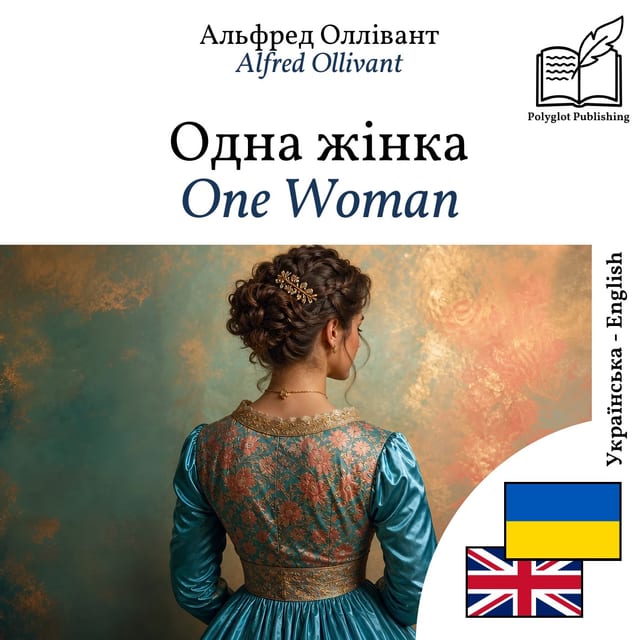
Jedna Kobieta
Alfred Ollivant
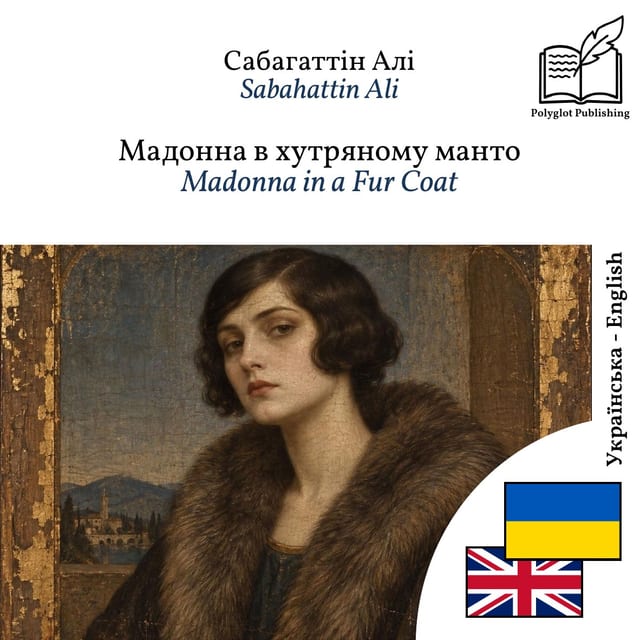
Madonna w futrze
Sabahattin Ali
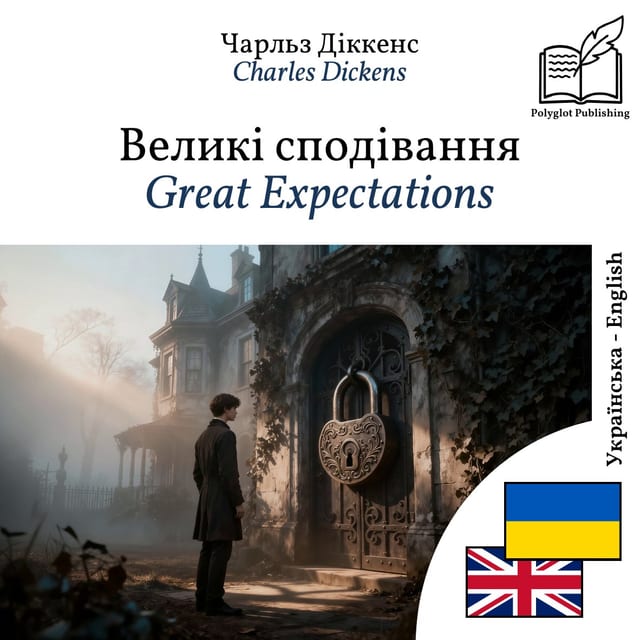
Wielkie nadzieje
Charles Dickens
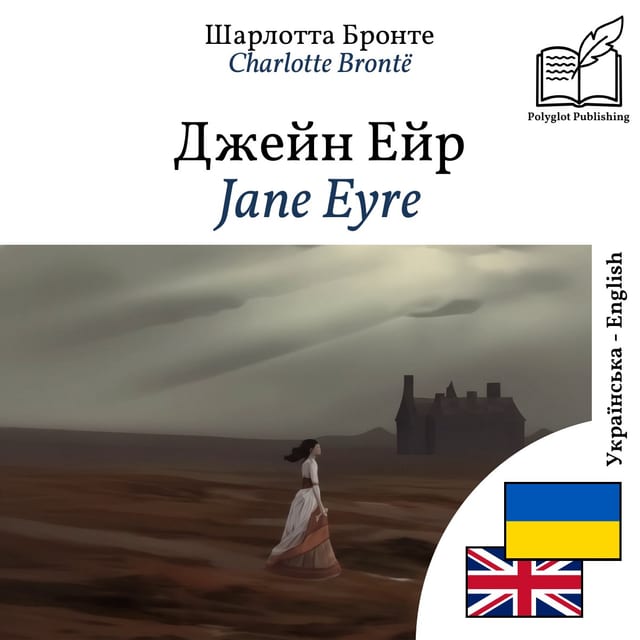
Jane Eyre
Charlotte Brontë
Nowela szachowa
Stefan Zweig

Kozia Górka
Alice Rice
Ann Veronica
H. G. Wells
Okrutny jak grób
E. Southworth
Strach
Stefan Zweig
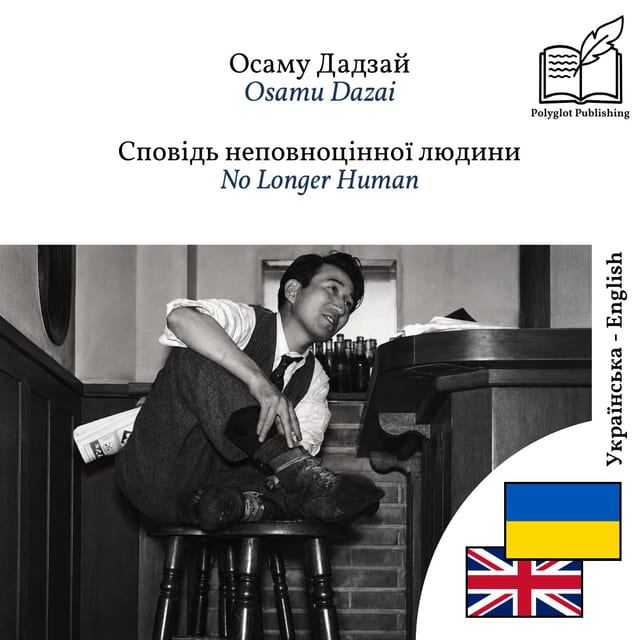
Zatracenie
Osamu Dazai
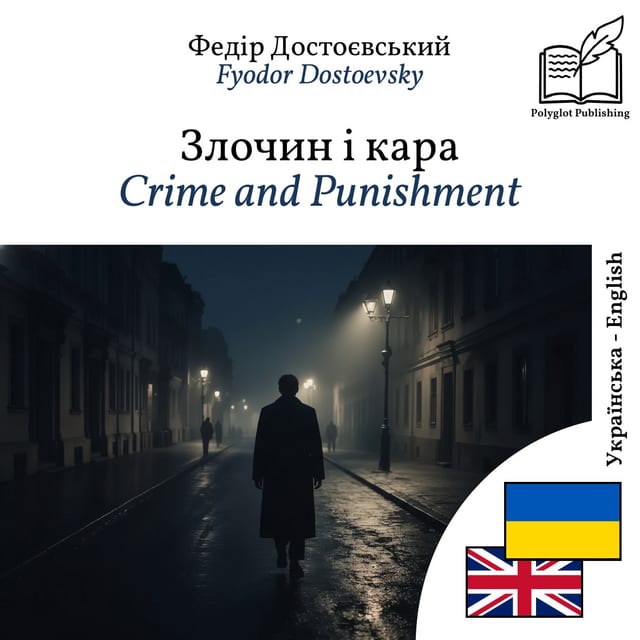
Zbrodnia i kara
Fiodor Dostojewski

Listy miłosne do Imlaya
Mary Wollstonecraft
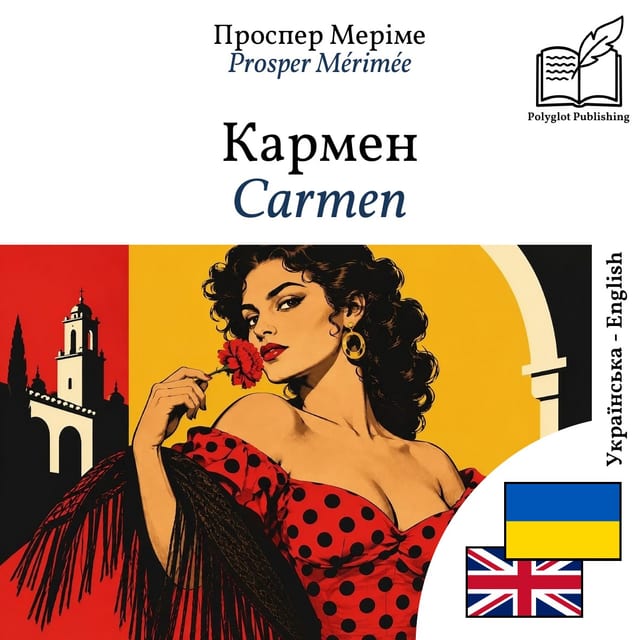
Carmen
Prosper Mérimée
Przeglądaj witrynę
Inne języki, których możesz się nauczyć
- angielski
- francuski
- hiszpański
- niemiecki
- włoski
- rosyjski
- arabski
- bułgarski
- bengalski
- kataloński
- czeski
- duński
- grecki
- esperanto
- estoński
- perski
- fiński
- hebrajski
- hindi
- chorwacki
- węgierski
- indonezyjski
- japoński
- kazachski
- koreański
- litewski
- łotewski
- niderlandzki
- norweski
- portugalski
- brazylijski portugalski
- rumuński
- serbski (łacińskie)
- serbski (cyrylica)
- słowacki
- słoweński
- szwedzki
- suahili
- turecki
- ukraiński
- wietnamski
- chiński
- chiński (Tajwan)