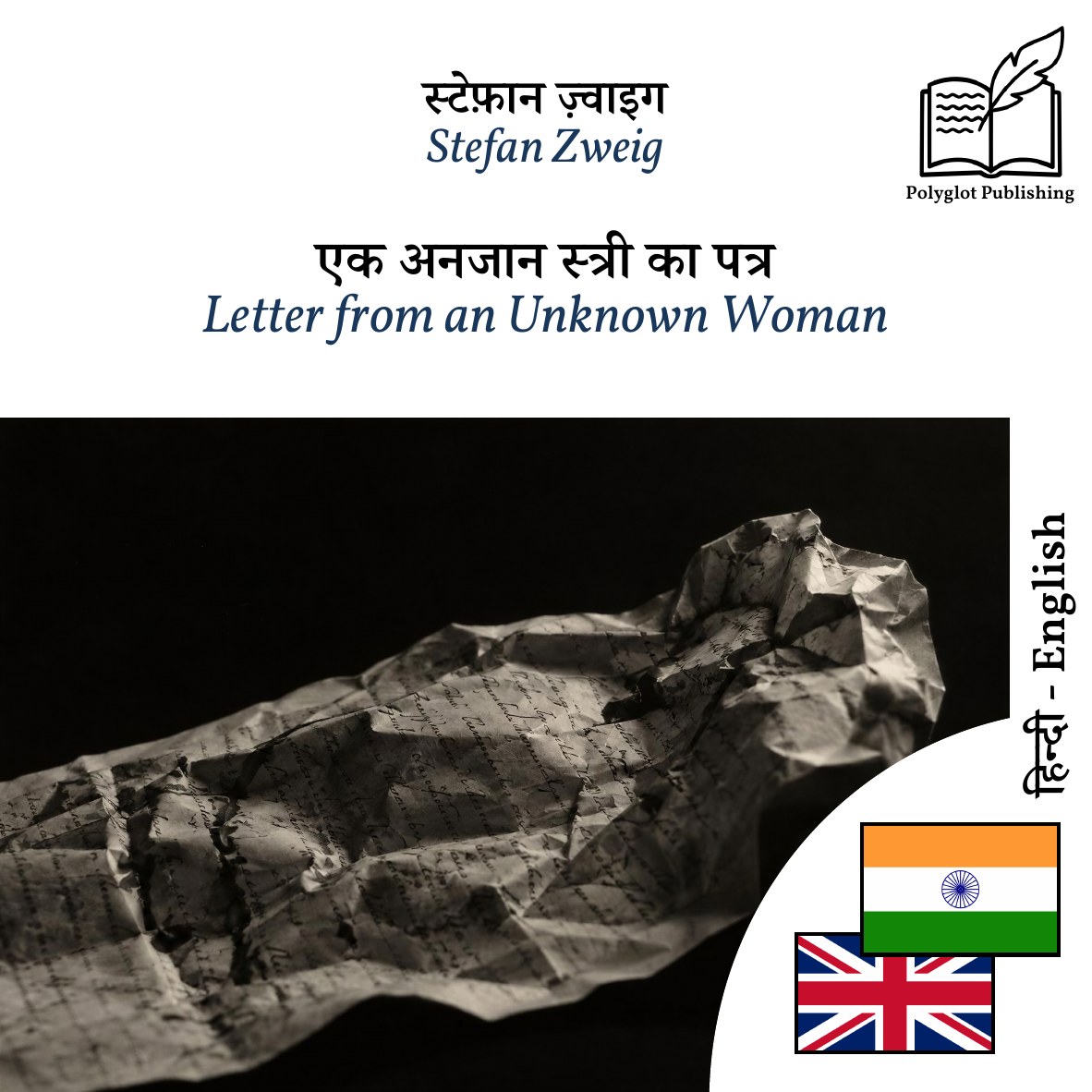
Штефан Цвајг
Писмо непознате жене
Штампана књига: 20,99 €
Дигитално: 5,99 €
- Оригинално издање
- 1922
- Странице
- 97
- Тежина
- ★★☆
- Жанрови
- Романса, Психологија
- Преведено са
- немачки
Сажетак књиге
Одломак
Сваки одломак на језику који учите, са преводом одмах испод.
जब प्रसिद्ध उपन्यासकार आर. पहाड़ों में तीन दिन की ताज़गी भरी सैर के बाद तड़के वियना लौटे और स्टेशन पर एक अख़बार ख़रीदा, तो तारीख़ पर नज़र पड़ते ही उन्हें याद आया कि आज उनका जन्मदिन है। इकतालीसवाँ, उन्होंने झट से सोचा, और इस बात से उन्हें न ख़ुशी हुई, न दुख। उन्होंने अख़बार के खड़खड़ाते पन्ने जल्दी-जल्दी पलटे और किराए की मोटरगाड़ी से अपने घर चले गए। नौकर ने बताया कि उनकी अनुपस्थिति में दो लोग मिलने आए थे और कुछ टेलीफ़ोन आए थे, और एक ट्रे में जमा हुई डाक ले आया। उन्होंने बेपरवाही से आई हुई डाक पर नज़र डाली, कुछ लिफ़ाफ़े फाड़कर खोले जिनके भेजने वालों में उनकी रुचि थी; एक पत्र, जिस पर अनजानी लिखावट थी और जो बहुत मोटा लग रहा था, उन्होंने फ़िलहाल एक ओर सरका दिया। इस बीच चाय परोस दी गई थी; वे इत्मीनान से आरामकुर्सी में पीठ टिकाकर बैठ गए, एक बार फिर अख़बार और कुछ छपी हुई सामग्री पलटी; फिर उन्होंने एक सिगार सुलगाया और अब अलग रखे पत्र की ओर हाथ बढ़ाया।
When the well-known novelist R. returned to Vienna early one morning from a refreshing three-day excursion into the mountains and bought a newspaper at the station, he had barely glanced at the date before he was reminded that today was his birthday. His forty-first, he quickly reflected, and the realisation neither pleased nor pained him. He leafed hastily through the crackling pages of the newspaper and took a hired motor car to his flat. The manservant reported two visitors and several telephone calls during his absence and brought him the accumulated post on a tray. He looked idly through the letters and tore open a few envelopes whose senders interested him; one letter, addressed in an unfamiliar hand and seemingly too bulky, he pushed aside for the time being. Meanwhile tea had been served; he leaned back comfortably in his armchair, leafed once more through the newspaper and some printed matter; then he lit a cigar and at last reached for the letter he had set aside.
लगभग दो दर्जन पन्ने थे, जो किसी अनजान स्त्री की बेचैन लिखावट में जल्दबाज़ी में लिखे गए थे – पत्र से अधिक एक पांडुलिपि। अनायास उन्होंने एक बार फिर लिफ़ाफ़े को टटोला कि कहीं उसमें कोई साथ का पत्र तो नहीं रह गया। लेकिन लिफ़ाफ़ा ख़ाली था, और उस पर, पन्नों की ही तरह, न भेजने वाले का पता था, न कोई हस्ताक्षर। अजीब है, उन्होंने सोचा, और लेख को फिर हाथ में ले लिया। “तुम्हें, जिसने मुझे कभी नहीं जाना”, ऊपर संबोधन के रूप में, शीर्षक के रूप में लिखा था। चकित होकर वे रुक गए: क्या यह उन्हीं के लिए था, या किसी काल्पनिक व्यक्ति के लिए? उनकी जिज्ञासा अचानक जाग उठी। और उन्होंने पढ़ना शुरू किया:
It consisted of some two dozen hastily written pages in an unfamiliar, restless woman’s hand, a manuscript rather than a letter. Involuntarily he felt the envelope once more, in case a covering note had been left inside. But the envelope was empty and, like the pages themselves, bore neither a sender’s address nor a signature. Strange, he thought, and took up the letter again. “To you, who never knew me” stood at the top, as a salutation, as a heading. He paused in astonishment: was this meant for him, or for some imagined person? His curiosity was suddenly aroused. And he began to read:
*
*
मेरा बच्चा कल मर गया – तीन दिन और तीन रातें मैं इस छोटे-से, कोमल जीवन के लिए मौत से जूझती रही, चालीस घंटे मैं उसके बिस्तर के पास बैठी रही, जबकि फ़्लू उसके बेचारे, तपते शरीर को बुख़ार में झकझोरता रहा। मैंने उसके जलते माथे पर ठंडी पट्टियाँ रखीं, मैंने दिन-रात उसके बेचैन, नन्हे हाथ थामे रखे। तीसरी शाम मैं टूट गई। मेरी आँखें और नहीं सह सकीं, वे मेरे जाने बिना ही मुँद गईं। तीन या चार घंटे मैं उस सख़्त कुर्सी पर सोई रही, और इसी बीच मौत उसे ले गई। अब वह वहाँ लेटा है, वह प्यारा, बेचारा लड़का, अपने संकरे-से बच्चों वाले बिस्तर में, ठीक वैसे ही जैसे वह मरा था; बस उसकी आँखें बंद कर दी गई हैं, उसकी समझदार, गहरी काली आँखें, उसके हाथ सफ़ेद कमीज़ पर जोड़ दिए गए हैं, और बिस्तर के चारों कोनों पर चार मोमबत्तियाँ ऊँची लौ से जल रही हैं। मैं उधर देखने का साहस नहीं करती, मैं हिलने का साहस नहीं करती, क्योंकि जब वे मोमबत्तियाँ टिमटिमाती हैं, तो उसके चेहरे और बंद होंठों पर परछाइयाँ सरकती हैं, और तब ऐसा लगता है मानो उसके नक़्श हिल रहे हों, और मैं सोच सकती हूँ कि वह मरा नहीं है, कि वह फिर जाग उठेगा और अपनी खनकती आवाज़ में मुझसे कोई बच्चों-सी प्यारी बात कहेगा। लेकिन मैं जानती हूँ, वह मर चुका है, मैं अब उधर नहीं देखना चाहती, ताकि फिर से आशा न करूँ, फिर से निराश न होऊँ। मैं जानती हूँ, मैं जानती हूँ, मेरा बच्चा कल मर गया – अब इस दुनिया में मेरे पास सिर्फ़ तुम हो, सिर्फ़ तुम, जो मेरे बारे में कुछ नहीं जानते, जो इस बीच अनजान बने खेलते रहते हो या चीज़ों और लोगों से दिल बहलाते हो। सिर्फ़ तुम, जिसने मुझे कभी नहीं जाना और जिसे मैंने हमेशा प्यार किया।
My child died yesterday – for three days and three nights I wrestled with death for this small, tender life; for forty hours I sat at his bedside while influenza shook his poor, burning body with fever. I laid cool cloths on his glowing forehead, I held his restless little hands day and night. On the third evening I collapsed. My eyes could do no more; they closed without my knowing it. For three or four hours I slept on the hard chair, and in the meantime death took him. Now he lies there, my sweet, poor boy, in his narrow little bed, just as he died; they have only closed his eyes, his clever, dark eyes, and folded his hands over his white shirt, and four candles burn tall at the four corners of the bed. I dare not look, I dare not stir, for when the candles flicker, shadows flit across his face and his closed mouth, and then it is as though his features moved, and I could almost believe that he is not dead, that he will wake again and say something tender and childlike to me in his clear voice. But I know it, he is dead; I will not look any more, so as not to hope once again, not to be disappointed once again. I know it, I know it, my child died yesterday – now I have only you left in the world, only you, who know nothing of me, who meanwhile are playing, unsuspecting, or trifling with things and people. Only you, who never knew me and whom I have always loved.
Радња

Свет књиге

Аутор

Предности двојезичне методе уз приказ Усклађено ред по ред
Сваки ред оригинала има свој превод непосредно испод, у истој висини. Никада не тражите где сте стали: око се спусти један ред ниже и одмах пронађе управо прочитану реченицу. То је распоред који вам омогућава да се латите књиге на језику који слабо познајете, а да ниједног тренутка не изгубите нит, и да оба текста упоређујете готово реч по реч.
Сличне књиге
Двадесет четири сата из живота једне жене
Штефан Цвајг
Амок
Штефан Цвајг
Оркански висови
Емили Бронте
Једна жена
Алфред Оливант

Мадона у бунди
Сабахатин Али
Велика очекивања
Чарлс Дикенс
Џејн Ејр
Шарлота Бронте
Шаховска новела
Штефан Цвајг

Брдо јарца
Алис Рајс
Анн Вероника
Х. Г. Велс
Окрутна као гроб
Е. Саутворт
Страх
Штефан Цвајг
Пропаст једног човека
Осаму Дазаи
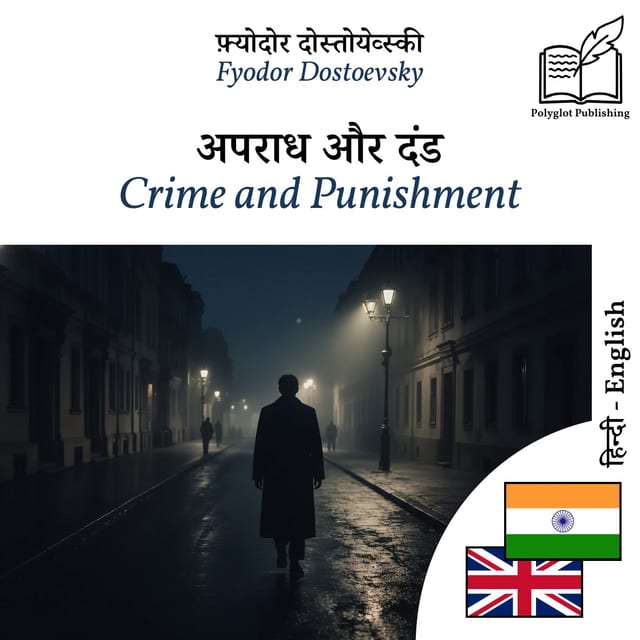
Злочин и казна
Фјодор Достојевски

Љубавна писма Имлаyју
Мери Волстонкрафт
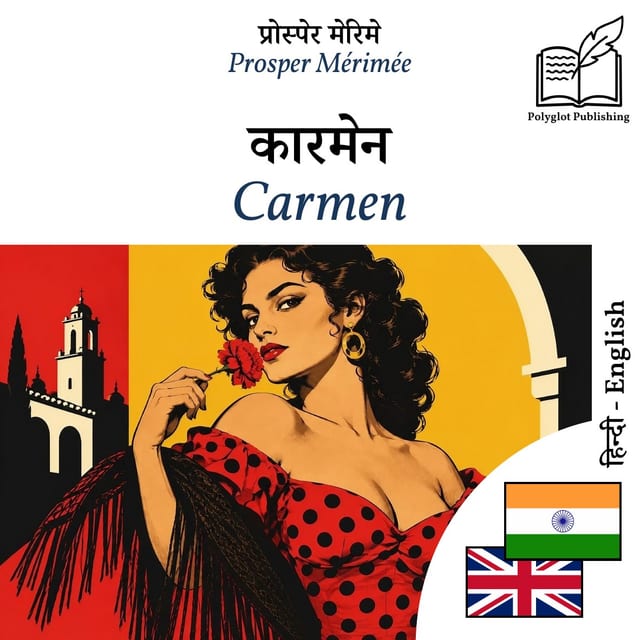
Кармен
Проспер Мериме
Истражите сајт
Други језици које можете учити
- енглески
- француски
- шпански
- немачки
- италијански
- руски
- арапски
- бугарски
- бенгалски
- каталонски
- чешки
- дански
- грчки
- есперанто
- естонски
- персијски
- фински
- хебрејски
- хинди
- хрватски
- мађарски
- индонежански
- јапански
- казашки
- корејски
- литвански
- летонски
- холандски
- норвешки
- пољски
- португалски
- бразилски португалски
- румунски
- српски (латиница)
- словачки
- словеначки
- шведски
- свахили
- турски
- украјински
- вијетнамски
- кинески
- кинески (Тајван)