Stefan Zweig
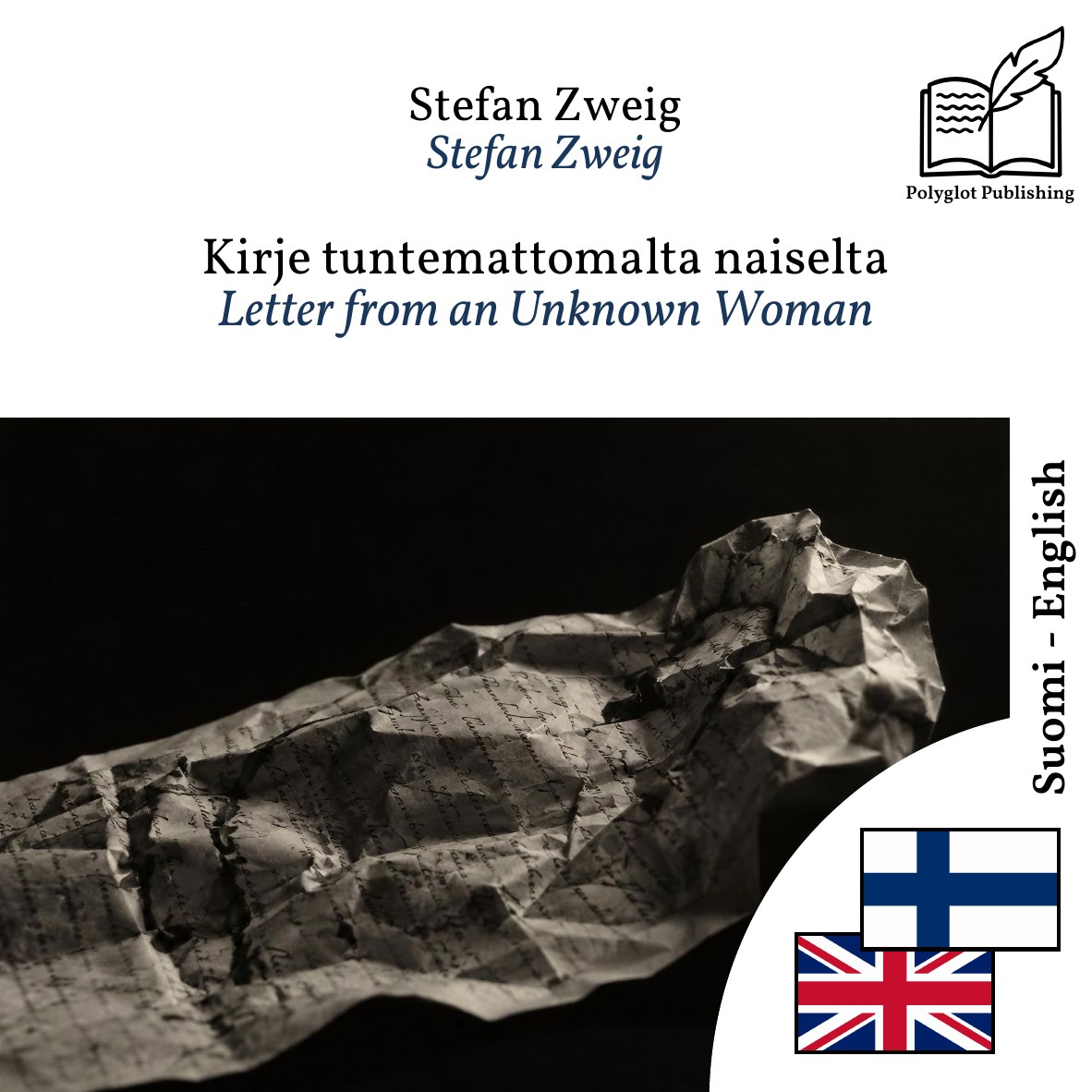
Pismo nepoznate žene
Tiskana knjiga: 17,99 €
Digitalno: 5,99 €
- Izvorno izdanje
- 1922
- Stranica
- 97
- Težina
- ★★☆
- Žanrovi
- Ljubavni roman, Psihologija
- Prevedeno s
- njemački
Sažetak knjige
Ulomak
Svaki odlomak na jeziku koji učite, s prijevodom odmah ispod.
Kun tunnettu romaanikirjailija R. palasi varhain aamulla Wieniin kolmen päivän virkistävältä vuoristoretkeltä ja osti asemalta sanomalehden, hän vilkaisi päivämäärää ja muisti samassa, että tänään oli hänen syntymäpäivänsä. Neljäskymmenesensimmäinen, hän tuumasi nopeasti, eikä tämä havainto tuntunut hänestä hyvältä eikä pahalta. Hän selaili ohimennen sanomalehden rapisevia sivuja ja ajoi vuokra-autolla asuntoonsa. Palvelija kertoi kahdesta vierailusta ja muutamasta puhelinsoitosta hänen poissaolonsa ajalta ja toi tarjottimella kertyneen postin. Välinpitämättömästi hän katseli saapuneita lähetyksiä ja repäisi auki muutaman kirjekuoren, joiden lähettäjät häntä kiinnostivat; vieraalla käsialalla kirjoitetun kirjeen, joka näytti liian paksulta, hän siirsi aluksi syrjään. Sillä välin oli tuotu teetä; hän nojautui mukavasti nojatuoliin, selasi vielä kerran sanomalehteä ja muutamia painotuotteita, sytytti sitten sikarin ja tarttui viimein syrjään pantuun kirjeeseen.
When the well-known novelist R. returned to Vienna early one morning from a refreshing three-day excursion into the mountains and bought a newspaper at the station, he had barely glanced at the date before he was reminded that today was his birthday. His forty-first, he quickly reflected, and the realisation neither pleased nor pained him. He leafed hastily through the crackling pages of the newspaper and took a hired motor car to his flat. The manservant reported two visitors and several telephone calls during his absence and brought him the accumulated post on a tray. He looked idly through the letters and tore open a few envelopes whose senders interested him; one letter, addressed in an unfamiliar hand and seemingly too bulky, he pushed aside for the time being. Meanwhile tea had been served; he leaned back comfortably in his armchair, leafed once more through the newspaper and some printed matter; then he lit a cigar and at last reached for the letter he had set aside.
Siinä oli parisen tusinaa kiireesti kirjoitettua sivua vieraalla, levottomalla naisen käsialalla, pikemminkin käsikirjoitus kuin kirje. Vaistomaisesti hän tunnusteli vielä kerran kirjekuorta, ettei sinne vain ollut unohtunut saatekirjettä. Mutta kuori oli tyhjä, eikä siinä sen enempää kuin arkeissakaan ollut lähettäjän osoitetta eikä allekirjoitusta. Kummallista, hän ajatteli ja otti kirjoituksen taas käteensä. ”Sinulle, joka et koskaan tuntenut minua”, luki ylhäällä puhutteluna, otsikkona. Hämmästyneenä hän pysähtyi: oliko se tarkoitettu hänelle vai jollekulle kuvitellulle ihmiselle? Hänen uteliaisuutensa heräsi yhtäkkiä. Ja hän alkoi lukea:
It consisted of some two dozen hastily written pages in an unfamiliar, restless woman’s hand, a manuscript rather than a letter. Involuntarily he felt the envelope once more, in case a covering note had been left inside. But the envelope was empty and, like the pages themselves, bore neither a sender’s address nor a signature. Strange, he thought, and took up the letter again. “To you, who never knew me” stood at the top, as a salutation, as a heading. He paused in astonishment: was this meant for him, or for some imagined person? His curiosity was suddenly aroused. And he began to read:
*
*
Lapseni kuoli eilen – kolme päivää ja kolme yötä olen kamppaillut kuoleman kanssa tästä pienestä, hennosta elämästä, neljäkymmentä tuntia istuin hänen vuoteensa vieressä, kun influenssan kuume ravisutti hänen pientä, polttavaa ruumistaan. Panin viileitä kääreitä hänen hehkuvalle otsalleen, pidin hänen levottomia pieniä käsiään päivät ja yöt. Kolmantena iltana luhistuin. Silmäni eivät enää jaksaneet, ne painuivat kiinni huomaamattani. Kolme tai neljä tuntia nukuin kovalla tuolilla, ja sillä välin kuolema vei hänet. Nyt hän makaa siellä, suloinen, poloinen poika, kapeassa lapsensängyssään aivan sellaisena kuin kuoli; vain silmät on hänelle suljettu, hänen viisaat, tummat silmänsä, kädet on ristitty valkoisen paidan päälle, ja neljä kynttilää palaa korkealla vuoteen neljässä kulmassa. En uskalla katsoa, en uskalla liikahtaa, sillä kun ne lepattavat, kynttilät, varjot vilahtelevat hänen kasvoillaan ja suljetulla suulla, ja silloin on kuin hänen piirteensä liikahtelisivat, ja voisin luulla, ettei hän ole kuollut, että hän heräisi taas ja sanoisi minulle kirkkaalla äänellään jotakin lapsellisen hellää. Mutta minä tiedän sen, hän on kuollut, en tahdo enää katsoa, etten toivoisi vielä kerran, etten pettyisi vielä kerran. Minä tiedän sen, tiedän sen, lapseni kuoli eilen – nyt minulla on maailmassa enää vain sinä, vain sinä, joka et tiedä minusta mitään, joka sillä välin huvittelet aavistamatta mitään tai leikittelet asioilla ja ihmisillä. Vain sinä, joka et koskaan tuntenut minua ja jota olen aina rakastanut.
My child died yesterday – for three days and three nights I wrestled with death for this small, tender life; for forty hours I sat at his bedside while influenza shook his poor, burning body with fever. I laid cool cloths on his glowing forehead, I held his restless little hands day and night. On the third evening I collapsed. My eyes could do no more; they closed without my knowing it. For three or four hours I slept on the hard chair, and in the meantime death took him. Now he lies there, my sweet, poor boy, in his narrow little bed, just as he died; they have only closed his eyes, his clever, dark eyes, and folded his hands over his white shirt, and four candles burn tall at the four corners of the bed. I dare not look, I dare not stir, for when the candles flicker, shadows flit across his face and his closed mouth, and then it is as though his features moved, and I could almost believe that he is not dead, that he will wake again and say something tender and childlike to me in his clear voice. But I know it, he is dead; I will not look any more, so as not to hope once again, not to be disappointed once again. I know it, I know it, my child died yesterday – now I have only you left in the world, only you, who know nothing of me, who meanwhile are playing, unsuspecting, or trifling with things and people. Only you, who never knew me and whom I have always loved.
Radnja

Svijet knjige

Autor

Prednosti dvojezične metode uz prikaz Sinkronizirano redak po redak
Svaki redak izvornika ima svoj prijevod neposredno ispod, u istoj visini. Nikad ne tražite gdje ste stali: oko se spusti jedan redak niže i pronađe točno onu rečenicu koju je upravo pročitalo. To je prijelom koji vam dopušta da se prihvatite knjige na jeziku koji slabo poznajete a da nijednom ne izgubite nit, i da dva teksta usporedite gotovo riječ po riječ.
Slične knjige
Dvadeset četiri sata iz života jedne žene
Stefan Zweig
Amok
Stefan Zweig
Orkanski visovi
Emily Brontë
Jedna žena
Alfred Ollivant

Madona u krznenom kaputu
Sabahattin Ali
Velika očekivanja
Charles Dickens
Jane Eyre
Charlotte Brontë
Novela o šahu
Stefan Zweig
Jarčevo brdo
Alice Rice
Ann Veronica
H. G. Wells
Okrutna poput groba
E. Southworth
Strah
Stefan Zweig
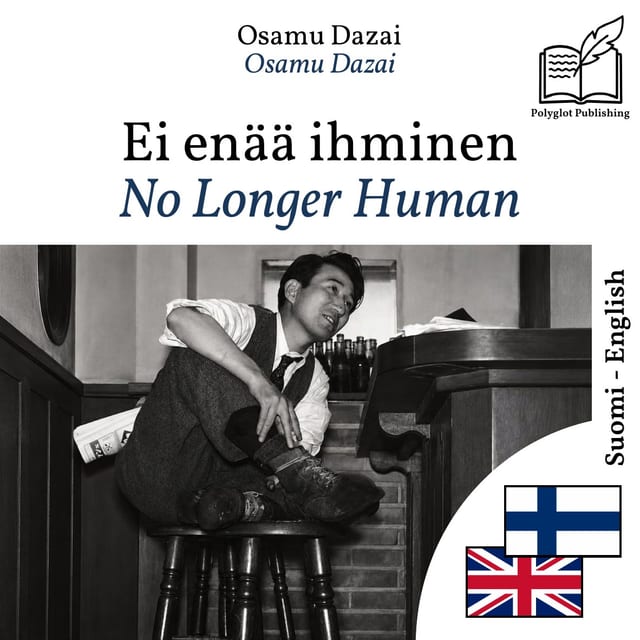
Nisam više čovjek
Osamu Dazai
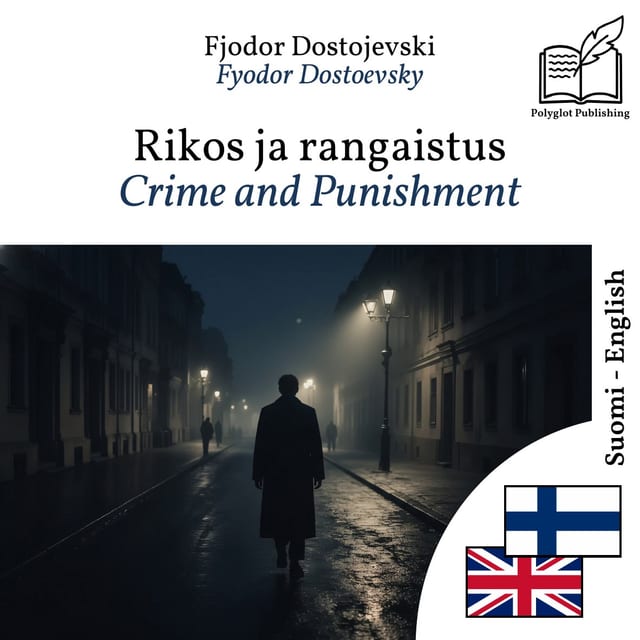
Zločin i kazna
Fjodor Dostojevski
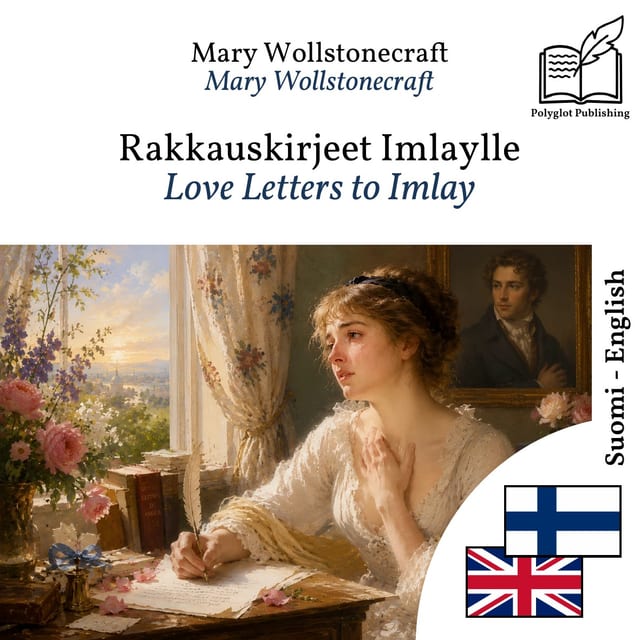
Ljubavna pisma Imlayu
Mary Wollstonecraft
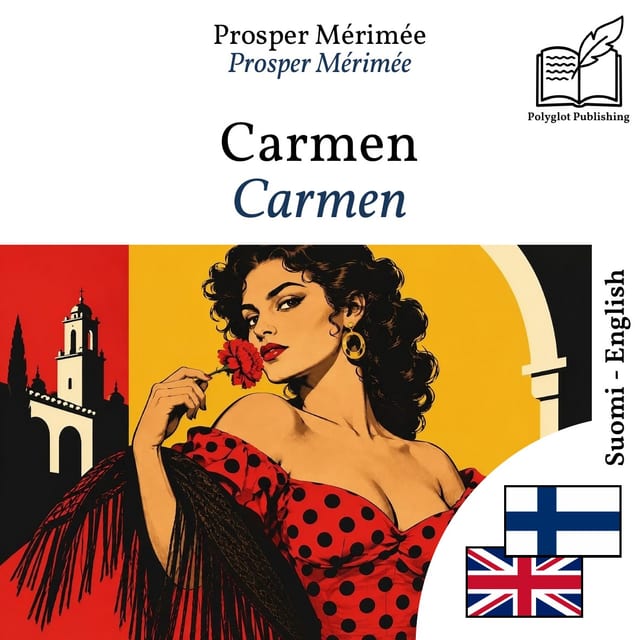
Carmen
Prosper Mérimée
Istražite stranicu
Drugi jezici koje možete učiti
- engleski
- francuski
- španjolski
- njemački
- talijanski
- ruski
- arapski
- bugarski
- bangla
- katalonski
- češki
- danski
- grčki
- esperanto
- estonski
- perzijski
- finski
- hebrejski
- hindski
- mađarski
- indonezijski
- japanski
- kazaški
- korejski
- litavski
- latvijski
- nizozemski
- norveški
- poljski
- portugalski
- brazilski portugalski
- rumunjski
- srpski (latinica)
- srpski (ćirilica)
- slovački
- slovenski
- švedski
- svahili
- turski
- ukrajinski
- vijetnamski
- kineski
- kineski (Tajvan)